
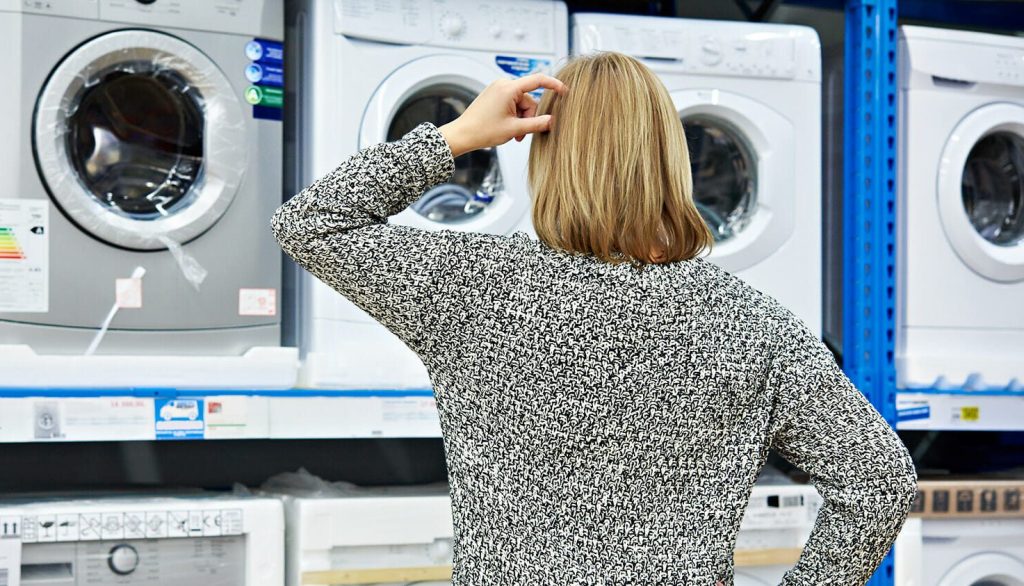

Buying a washing machine well in the UK comes down to four decisions – drum capacity matched to household size, spin speed of at least 1200 rpm, the best energy rating you can afford, and a brand with proven build quality and UK parts support. Get those right and most machines will serve you well for 8 to 12 years. Get one of them wrong and you may be regretting the purchase within months. The articles below cover each decision in detail, plus the buying-trap pitfalls to watch for.
Everything to do with buying a washing machine, from an engineer who has spent 40+ years repairing them. Dozens of articles covering pre-purchase decisions, brands worth buying, brands to avoid, energy labels, sizes, extended warranties, and the common problems associated with new washing machines. Browse the sections below.
Key buying figures at a glance
Drum capacity for an average UK household
Recommended minimum spin speed
Energy rating scale (post-March 2021)
Average UK washing machine lifespan today
Topics on this page
Energy labels and economy
Sizes, drums and spin speeds
Buying
Extended warranties
Brand-specific guides
Practical considerations
General
How do you choose the right washing machine?
The articles below cover the most important decisions you face when picking a washing machine – washer vs washer-dryer, brand, features, wash temperatures, and the trade-offs between price and quality.
 Top loader or front loader?
Which is best, a top loader or a front loader?
 Washer-dryer or separate?
Washer-dryer or separate washing machine and dryer?
 Pros and cons
Pros and cons of a washer dryer vs a separate machine.
 More expensive = better?
Is a more expensive washing machine a better one?
 Best washing machine to buy
Which is the best washing machine to buy?
 Washing machines to avoid
Brands and models we recommend steering clear of.
 Sealed drum vs split tub
Why the tub design matters more than buyers realise.
 Coloured washing machines
Options for non-white washing machines.
 Do I need a half load button?
Do I need a half load button on a washing machine?
 Faster washes
Washing machines with faster wash cycles.
 30 degree wash cycle
Five things to know about 30°C washing.
 95 degree hot wash
Washing machines with a 95 degree hot wash.
 Hot water valve
I want a washing machine with a hot water valve.
 Cold fill vs hot fill
Cold fill versus hot fill washing machines.
 Cold fill washing machines
Why most modern washing machines are cold fill only.
What do washing machine energy labels actually mean?
Since March 2021, all UK washing machines must display the updated A to G energy label – replacing the old A+++ system. The articles below explain what each figure actually means and which energy savings stack up in practice.
 What do energy labels mean?
What do the energy labels on washing machines mean?
 Are eco labels misleading?
Are eco labels on washing machines misleading?
 Energy consumption kWh/cycle
Understanding energy consumption figures on eco labels.
 Lowest energy consumption
Choosing the lowest energy consumption washing machine.
 Washing performance ratings
Washing performance ratings on eco labels.
 Hot and cold fill economics
Is a hot and cold fill washing machine more economical?
 Eco labels Part 4
Washing machine eco labels Part 4.
What size washing machine should you buy?
Washing machine sizes vary in width, depth, and drum capacity – critical if your kitchen has a non-standard space, or if you regularly wash bedding and bulky items. Spin speed also matters more than most buyers realise because it affects drying time and energy bills.
 Problems with sizes
Washing machines and associated problems with sizes.
 Sizes comparison
Compare standard washing machine sizes and variations.
 Depth specifications
Washing machine depth specifications explained.
 Space around the sides
How much space does a washing machine need round the sides?
 Drum capacity differences
What’s the difference between drum sizes in washing machines?
 Drum size guide
A guide to the range of washing machine drum sizes.
 Spin speeds explained
A guide to spin speeds and what they mean in practice.
Spin speed efficiencySpin speed efficiency explained.
 Drum capacity vs spin efficiency
How does drum capacity affect spin efficiency?
What should you check before you click buy?
Whether you’re shopping online, at a specialist retailer, or in a supermarket, working through these six checks first can save a lot of regret.
-
Confirm the full model number. Search the exact model number for independent reviews. Some retailers (especially supermarkets) stock exclusive variants with lower specifications that don’t appear in mainstream reviews. See: buying from a supermarket.
-
Check the spin speed. Aim for 1200 rpm minimum. A 1000 rpm machine leaves clothes noticeably wetter, increasing drying time and tumble dryer running costs. See: spin speeds explained.
-
Check the energy rating. Look for the updated A to G label. Aim for C or above where possible. Budget machines often sit in the D to E range, which can add meaningful cost over the machine’s lifetime. See: what energy labels mean.
-
Match the drum to your household. 6 to 7 kg suits one or two people. 8 to 9 kg suits most family households. 10 kg+ is worth it if you regularly wash bedding, towels, or large items. See: drum capacity differences.
-
Confirm delivery, installation and removal costs. Total cost often grows by £50 to £100 once you include delivery, installation, and old appliance removal. Check before committing.
-
Understand warranty terms – and avoid expensive extended warranties. Statutory rights under the Consumer Rights Act 2015 give you protection beyond the manufacturer warranty. Many extended warranties are poor value – read should I buy an extended warranty before agreeing to anything at the till.
Where should you actually buy a washing machine?
Where you buy from has a real effect on the price you pay, the range you can choose from, and the support you get when something goes wrong.
 Buying from a supermarket
Buying a washing machine from a supermarket.
 Prices way too cheap?
Washing machine prices way too cheap – what’s going on?
 5 tips for buying a new appliance
Five pre-purchase tips that apply to any new appliance.
 Reconditioned washing machines
Are reconditioned washing machines any good?
 Second-hand consumer rights
Consumer rights when buying a second-hand washing machine.
 Renting a washing machine
When renting a washing machine makes sense.
 For a rented property
Buying an appliance for a rented property.
 Free 5-year parts guarantees
Manufacturers offering free 5-year parts guarantees.
Already bought – now need help with the next step?
Whether you’ve made your purchase and need a repair down the line, or want to order a spare part to stretch the life of your current machine, we cover both nationwide.
Should you buy an extended warranty?
When you buy a new washing machine you’re very likely to be asked if you want an extended warranty. Some places push them very hard. Before agreeing to anything, make sure you understand exactly what these policies cover, what they exclude, and whether the statutory rights you already have make the policy redundant.

Some extended warranties contain clauses that surprise the consumer when a claim is made – including caps on the total number of washes the machine can have done before the policy is voided. Read every line of the policy document before committing.
 Should I buy one?
Should I buy a washing machine extended warranty?
Miele warranty wash limitsMiele extended guarantees have a clause limiting how much you can wash.
 Miele 5-year warranty
Should I take out a Miele 5-year extended warranty?
Your statutory rightsYour rights under the Consumer Rights Act 2015.
Brand-specific washing machine guides
Some brands have specific characteristics, regional quirks, or design choices worth knowing before you commit. The articles below cover the brands where there is more to say than the general buying advice covers.
 Miele washing machines
An overview of Miele as a brand and what to expect.
 Downsides to Miele
The downsides of Miele washing machines.
 Miele user review
A real user review of a Miele washing machine.
 Gorenje washing machines
An overview of Gorenje washing machines.
 ISE washing machines
An overview of ISE washing machines.
 Indesit Moon
The Indesit Moon washing machine reviewed.
 Ebac production stopped
Ebac stops UK washing machine production.
Practical considerations – kitchen space, water, and installation
The practical realities of installing a washing machine in your home matter just as much as the headline specification. Awkward space, soft or hard water, garage placement, and reduced-height kitchens can all change what you should buy.
 How to install
How to install a washing machine.
 In a garage
Can you put a washing machine in a garage?
 Softened water supply
Connecting a washing machine to a softened water supply.
 Safe to leave on?
Is it safe to leave a washing machine on unattended?
Reduce machine heightHow to reduce the height of a washing machine.
How to storeHow to store a washing machine when not in use.
 Wire a washing machine plug
How to wire a washing machine plug correctly.
General washing machine ownership questions
The articles below cover the wider context of owning a washing machine – durability, performance issues that affect new machines, and the realities of how long a modern machine can be expected to last.
Not hitting the right temperatureSome new washing machines not delivering the right temperature.
 Why don’t they last?
Why don’t most modern washing machines last very long?
How long should they last?How long should a washing machine last?
Poor rinsingWhy can’t modern washing machines rinse properly?
Safety and Which? notice
All washing machines sold in the UK must comply with the Electrical Equipment (Safety) Regulations 2016 and carry CE or UKCA marking. Have your new machine installed by a competent person and connected to a correctly rated electrical supply.
Always check the OPSS product safety database for any active safety notices on the model you’re considering or already own.
Which? publishes independent reliability surveys and Best Buy recommendations based on rigorous testing. Full access requires a paid subscription. Visit which.co.uk for details.
Want to learn appliance repair properly?
Knowing how appliances are built makes you a better buyer – and a more independent owner. Our engineers recommend the NAC National Training Centre for anyone serious about appliance repair, whether to start a career or just to repair their own appliances confidently.
More buying advice from Whitegoods Help
All the articles above are specific to buying washing machines. Don’t miss our wider Buying Appliances section, which has more general buying advice that still applies. The page also includes our washing machine reviews.
Frequently asked questions
What size washing machine do I need for my household?
As a general guide, 6 to 7 kg suits one or two people, 8 to 9 kg suits most family households, and 10 kg or larger is worth the extra cost if you regularly wash bedding, towels, or other bulky items. Drum size affects spin efficiency too – see our guide to how drum capacity affects spin efficiency for the trade-off.
What spin speed should I look for in a washing machine?
1200 rpm is the recommended minimum for most households. Higher spin speeds (1400 rpm+) remove more water from clothes, reducing tumble dryer time and energy costs. Many budget machines sit at 1000 rpm or 1200 rpm. See our spin speed guide for the full picture.
Are extended warranties worth buying for a washing machine?
Often no. Your statutory rights under the Consumer Rights Act 2015 already give you significant protection. Some extended warranties also contain clauses that surprise the consumer at claim time – including caps on the total number of washes the machine has done. Read every line before agreeing. Our guide to whether to buy an extended warranty covers the full analysis.
How long should a new washing machine last?
The UK average has dropped from 12 to 14 years a generation ago to under 10 years today. A budget machine might last 6 to 8 years; a mid-range machine 8 to 12 years; a premium machine 10 to 15 years – though sealed-tub designs across all tiers now bound the economic life at the moment the drum bearings fail. See how long a washing machine should last and sealed drum vs split tub.
Is it OK to buy a washing machine from a supermarket?
It can be. Supermarkets sell recognised brand appliances that are safe and UKCA-marked, often with reasonable prices. The main risks are limited model choice, budget-tier specifications, supermarket-exclusive model numbers that are hard to compare against reviews, and weaker after-sales support compared to specialist retailers. Read our full buying from a supermarket analysis.
What’s a washer-dryer vs a separate washing machine and dryer?
A washer-dryer combines both functions in one appliance, saving space but typically with smaller drying capacity than washing capacity, longer cycles, and higher running costs. Separate machines give more flexibility, faster cycles, and longer service life. See washer-dryer or separate and the full pros and cons.
Should I avoid any specific washing machine brands?
The brands worth avoiding tend not to be the well-known names but the obscure or own-label models with no clear UK service infrastructure. If you can’t find a UK support phone number, parts availability, or independent reviews on the model, that is a warning sign. Read washing machine brands and models to avoid.