
Ebac Stops Washing Machine Production
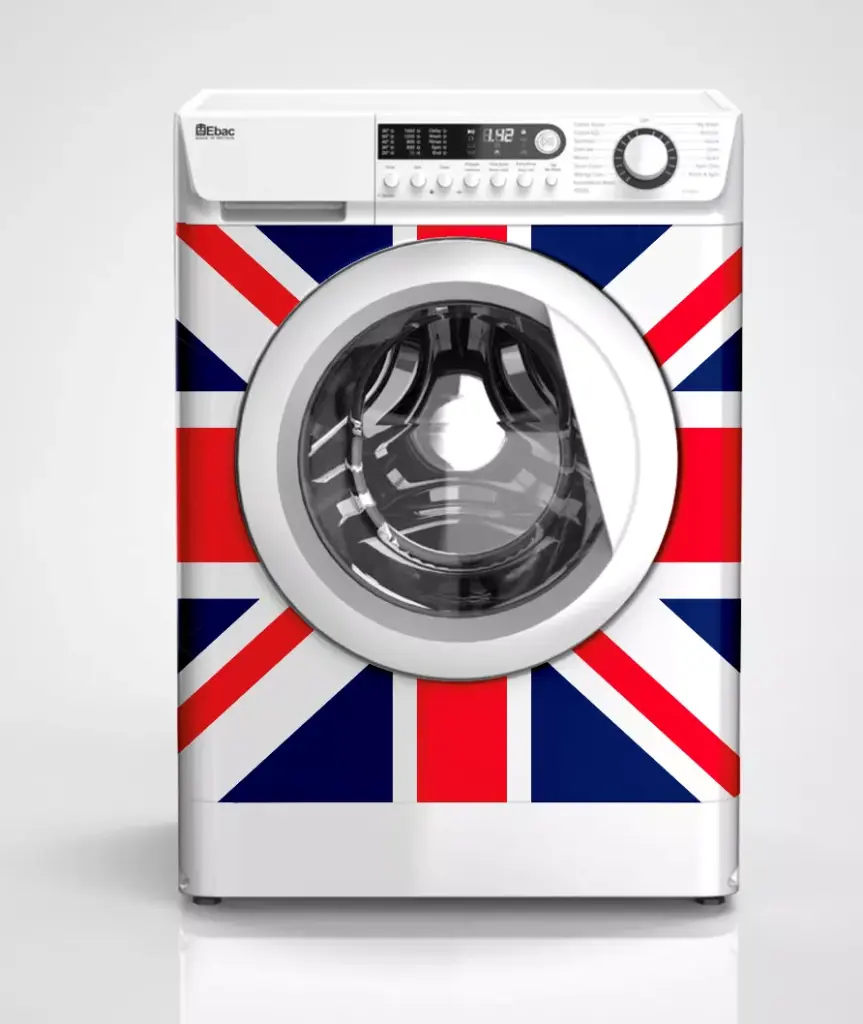

Ebac, the County Durham appliance manufacturer that began producing washing machines in the UK in 2016, has confirmed it has stopped washing machine production. The company cited rising costs and increased competition from East Asia. The announcement was made via Ebac’s official Facebook page in early May 2026, with all washing machine models on the company website now showing as out of stock. With Ebac’s exit, the UK no longer manufactures any domestic washing machines.
The story at a glance
Year Ebac began UK washing machine production
Length of Ebac’s UK washing machine run
Initial investment in the Newton Aycliffe facility
UK domestic washing machine producers remaining
What has Ebac confirmed?
In a statement posted on its official Facebook page, Ebac directly confirmed that it has ceased washing machine production. The statement reads: “Yes sadly we have stopped the production of washing machines due to rising costs and increased competition from East Asia.”
The company also confirmed that it will continue to honour its obligations to existing customers: “We will maintain all liabilities for our existing products currently in the market.” In practical terms, this means existing Ebac washing machine owners will continue to be supported with warranty coverage, spare parts, and customer service for the foreseeable future. The end of new production does not mean the end of after-sales support for machines already sold.
At the time of writing, all Ebac washing machine models on the company’s website, including the E-care Cold Fill, E-care Dual Fill, and E-care Silver ranges across all drum sizes, are showing as out of stock. A 20% off washing machine sale is currently active across the remaining range, consistent with clearance of remaining inventory rather than ongoing manufacturing.
What is the financial context behind the decision?
The Facebook confirmation aligns with publicly reported information about Ebac’s recent financial performance. The decision did not come out of the blue. Ebac’s published 2024 accounts, filed in January 2026, showed that turnover had fallen and losses had mounted. At the time of those filings, the company stated it had closed “a production line for loss-making products” as part of a broader restructuring effort, and projected that future years would be more profitable. The specific production line was not named in the January 2026 reporting.
Wider press coverage from March 2025 reported that Ebac had defaulted on a loan from a retirement fund, indicating that financial pressure on the business had been building for some time. In April 2024, a company spokesperson had stated that closure of one of its sites would be “inevitable” if new orders were not forthcoming.
Taken together, the January 2026 accounts, the March 2025 loan default, the April 2024 spokesperson comments, and the May 2026 Facebook confirmation form a consistent picture. The closure of washing machine production has been the outcome of a sustained period of financial difficulty rather than a sudden reversal.
How does this end UK washing machine manufacturing?
Ebac began producing washing machines in the UK in 2016, becoming the first British company to manufacture domestic washing machines on home soil in over a decade. The launch was marked by a £7m investment in production facilities at Newton Aycliffe, a visit from the Duke of Kent at the official opening, and significant national press coverage celebrating the return of British washing machine manufacturing.
For ten years, Ebac was the only company producing washing machines in the UK. With Ebac’s exit from the category, that distinction ends. Every domestic washing machine sold in the UK from this point forward will be imported, with the vast majority manufactured in Turkey, Italy, Poland, China, South Korea, or other lower-cost production locations.
The reasons cited by Ebac – rising costs and East Asian competition – reflect realities that have shaped UK appliance manufacturing for decades. Domestic production has gradually contracted since the 1990s as production has shifted to lower-cost economies, and the price-driven UK retail market has consistently favoured cheaper imports over premium domestically-made appliances. Ebac’s ten-year experiment ran against this trend, and ultimately the economics did not sustain it. The same wider context informs our coverage of planned obsolescence in modern appliances and how long a washing machine should last.

Ebac announces a £6m investment to launch UK washing machine production at Newton Aycliffe, with the Duke of Kent officially opening the new £7m facility.

The first Ebac washing machine is produced, becoming the first domestic washing machine manufactured in the UK in over a decade. The machines are marketed on the strength of British manufacturing, longer warranty, and higher build quality.

An Ebac spokesperson states that closure of one of its sites would be “inevitable” without new orders to keep production active.

Press reports confirm that Ebac has defaulted on a loan from a retirement fund, signalling that financial pressure on the business has continued to build.

Ebac’s 2024 accounts are published, showing falling turnover and mounting losses. The company confirms the closure of “a production line for loss-making products” as part of a wider restructuring. The specific product line is not named at the time.

Ebac confirms via its official Facebook page that washing machine production has stopped. All washing machine models show as out of stock on the company website, with a 20% sale active on remaining inventory.
What does this mean for existing Ebac washing machine owners?
If you own an Ebac washing machine, the end of new production does not affect your warranty, your spare parts availability, or your access to support. Ebac has explicitly stated that it will maintain all liabilities for products already in the market.
 Warranty cover continues
Ebac’s standard 7-year warranty on washing machines continues to apply to machines already in service. Owners with active warranty coverage retain their full entitlement, and warranty repair services should continue as normal. If you encounter difficulty making a warranty claim, the contract is enforceable through the retailer who sold you the machine as well as Ebac directly – see our consumer rights guide.
 Spare parts under Right to Repair
Under UK Right to Repair regulations introduced in 2021, manufacturers must make functional spare parts available for between 7 and 10 years after a product was last sold, depending on the part category. This obligation is enforceable in law and continues regardless of whether the manufacturer is still actively producing new machines. Ebac washing machine spare parts should remain available for years to come. See our Right to Repair guide for the full obligations.
 Repairs from independent engineers
Ebac washing machines use generally conventional design with widely-available components, and qualified independent appliance engineers can carry out repairs using genuine or compatible parts. If Ebac’s own repair service experiences delays, an independent qualified engineer is a practical alternative for out-of-warranty repairs – see manufacturer engineer vs independent.
 Resale value considerations
A manufacturer ending production typically does affect resale values for second-hand machines, particularly for prospective buyers concerned about long-term parts availability. However, the Right to Repair obligations and the still-young age of most Ebac machines, with the brand having only entered the market in 2016, mean the practical impact on resale should be modest in the near term.
What does it mean for the wider UK appliance industry?
The end of Ebac washing machine production removes the last domestic producer of washing machines from the UK market. Tumble dryers, dishwashers, fridge freezers, ovens, and cookers continue to be produced in the UK by various manufacturers in smaller volumes, and Ebac itself continues to manufacture dehumidifiers, water coolers, heat pumps, and ventilation products. But for washing machines specifically, the UK now relies entirely on imports.
This continues a long-running pattern. Hotpoint moved most washing machine production out of the UK in stages from the 1990s onwards. Hoover ended UK production in the early 2000s. Servis closed in 2008. By the time Ebac launched in 2016, the UK had already been without domestic washing machine production for over a decade. Ebac’s ten-year run was an exception to that trend, not a reversal of it.
For consumers, the practical impact is limited. Imported washing machines have dominated the UK market for decades, prices remain competitive, choice remains broad, and the European producers – particularly the Beko Europe, BSH, and Electrolux groups – continue to invest in production capacity at scale across multiple European countries. UK Right to Repair regulations apply equally to imported appliances. What changes is symbolic: a category in which the UK once led now has zero domestic producers. For broader context see our coverage of appliance repair annual trends and why high-quality appliances increasingly fail early.
What happens looking forward?
Whether UK washing machine production could return at any point in the future depends on factors well beyond any single company’s control. The economics that ended Ebac’s production – energy costs, labour costs, scale disadvantages relative to large European and Asian producers, and a price-sensitive retail market – would need to change materially. So would the consumer demand profile, which has historically been heavily price-driven rather than origin-driven, despite some appetite for British-made goods at the premium end.
Ebac itself remains a viable business in its core markets of dehumidifiers, water coolers, heat pumps, and ventilation. The end of washing machine production is a strategic refocus on the categories where the company has competitive scale and margin, not the end of the company. The Newton Aycliffe site continues to operate.
For now, anyone in the market for a UK-made washing machine has no current option. Anyone with an existing Ebac machine has a still-supported product with parts and warranty cover that should continue for years to come. And the UK appliance industry has lost its last domestic washing machine producer, ending a decade of manufacturing that began with considerable hope and ended quietly with a Facebook post.
Need help with an Ebac washing machine?
If you own an Ebac washing machine and need a repair, parts, or advice, qualified independent engineers can support all Ebac models. Our nationwide repair service covers all major washing machine brands including Ebac.
Related Whitegoods Help reading
 Repair or replace your appliance?
A practical decision framework for when to repair versus replace a broken washing machine.
 How long should a washing machine last?
Reasonable expected lifespan from a modern washing machine, and what affects it.
 Planned obsolescence in appliances
How and why modern appliances are built to last less time than their predecessors.
 White goods Right to Repair
UK Right to Repair regulations and what they oblige manufacturers to do.
 Genuine vs aftermarket parts
When OEM parts matter and when aftermarket equivalents are fine.
 Buying a washing machine
What to look for when replacing a washing machine and which features matter.
Frequently asked questions
Has Ebac gone out of business?
No. Ebac has stopped washing machine production but the company itself continues to operate. It manufactures dehumidifiers, water coolers, air source heat pumps, and ventilation products at its Newton Aycliffe site. The end of washing machine production is a strategic decision to focus on the company’s core profitable categories, not a closure of the business.
Will my Ebac washing machine warranty still be honoured?
Yes. Ebac has explicitly stated it will maintain all liabilities for products already in the market. The standard 7-year warranty on existing Ebac washing machines continues to apply, and warranty repairs should be carried out as normal. The warranty contract is also enforceable through the retailer who sold you the machine, in addition to Ebac directly – see our faulty appliances and the Consumer Rights Act guide.
Will spare parts still be available for my Ebac washing machine?
Yes. UK Right to Repair regulations introduced in 2021 require manufacturers to make functional spare parts available for between 7 and 10 years after a product was last sold, depending on the part category. This is a legal obligation that continues regardless of whether new production has ended. Ebac washing machine parts should remain available for years to come.
Can independent engineers repair Ebac washing machines?
Yes. Ebac washing machines use generally conventional design with widely-available components such as motors, pumps, heating elements, and door interlocks. Qualified independent appliance engineers can repair Ebac machines using genuine or compatible parts. If Ebac’s own service network experiences capacity issues, an independent engineer is a practical alternative.
Why has Ebac stopped UK washing machine production?
Ebac has stated that the decision was driven by rising costs and increased competition from East Asia. The reasons reflect long-running pressures on UK appliance manufacturing. Energy costs, labour costs, and the difficulty of competing on scale with large European and Asian producers in a price-driven retail market have made domestic washing machine production progressively harder to sustain. Ebac’s accounts for 2024, published in January 2026, showed mounting losses leading up to the decision.
Is any washing machine still made in the UK?
No. With the end of Ebac washing machine production, the UK no longer manufactures any domestic washing machines. Other appliance categories, including some tumble dryers, ovens, and refrigeration products, continue to be produced in the UK by various manufacturers in smaller volumes. But for washing machines specifically, every machine sold in the UK from now on is imported.
Should I avoid buying a second-hand Ebac washing machine?
Not for that reason alone. Ebac washing machines were generally well-regarded, the brand only began UK production in 2016 so the oldest machines are still relatively young, and Right to Repair obligations mean spare parts will remain available for years. The end of new production has more impact on the brand’s future than on the practical usability of existing machines. As with any second-hand appliance purchase, the condition of the specific machine and the price asked are more important factors than the brand’s current production status – see our repair or replace guide for the wider decision framework.
Ask the repair forum
Post the make, model and symptoms and get help from the Whitegoods Help community.
1 Comment
Grouped into 1 comment thread.
Well that is sad news though I`m not surprised. They were good machines especially since they had a 7 year warranty though they did get a bum right-up from WHICH because their test was unfair: a button had to be pressed in for normal wash rather than left out = a more delicate wash but then that is WHICH magazine for you.
Trying to make anything such as low (or lowish) cost consumer white good products in UK is either a dead duck or is becoming harder and has been for years starting with the Sunbeam toaster factory closure that was in Basingstoke in 1980s and it finally comes down to the end of UK manufactured washing machines.
Because I used to work on a lot of Chinese made machines (before I retired) I saw the quality increase even if the after sales side of things never really matched it. For often less than 300 quid for a 8kg 1400 spin machine with a 2 or even a 3 year warranty they are a hard act to compete against. 15 years ago I wrote a piece on the rise of Chinese made appliance products – mostly washing machines on UK Whitegoods and got a load of flack for my troubles from people (fellow repairers) who should have known better – I got proved right. With many Bosch parts Siemens and Neff spare parts coming from China, with Chinese companies taking over European manufacturers such as Gorenje, even top of the range brands such as the Swedish Asko brand but at least they keep the factories open for jobs in those countries and modenize the factories; this is what Globalization actually is something few people actually understood and still don`t both for the pluses and minuses.