
Which is the best washing machine to buy?
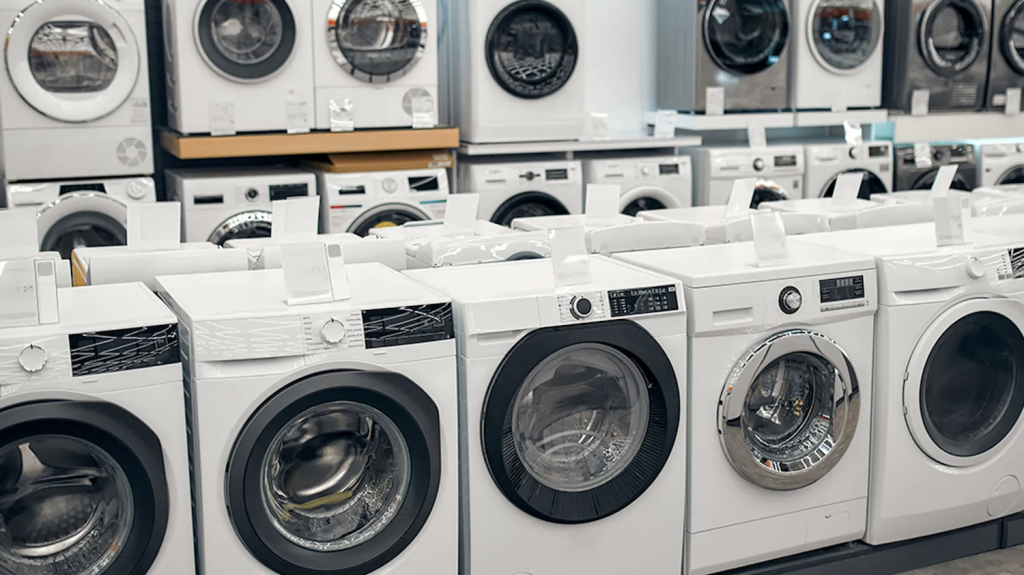

The most reliable washing machine brands in the UK are Miele, Bosch, Siemens, and AEG, based on independent consumer testing and long-term reliability surveys. Miele is the best-built machine available but comes at a significant premium. Bosch and Siemens offer the best balance of reliability and value for most households. Avoid own-label and badged machines from brands that do not specialise in white goods, as well as the historically lower-rated brands such as Indesit, Hoover, and Candy.
Independent buying advice from Whitegoods Help, written from over 40 years of hands-on appliance engineering experience. This guide covers the most reliable washing machine brands, what to avoid, how to choose the right type and size for your household, and the factors that matter far more than headline features or energy ratings.
The Most Reliable Washing Machine Brands in the UK
Reliability is the single most important factor when choosing a washing machine. A machine that breaks down within four years, even if it was cheap to buy, is ultimately far more expensive than a well-built machine that runs without fault for twelve. Independent consumer surveys tracking real-world failure rates by brand consistently point to the same shortlist of reliable manufacturers.
| Brand | Reliability | Repairability | Best for | Typical UK price range |
|---|---|---|---|---|
| Miele | Excellent | Good, specialist parts | Long-term premium ownership | £799 to £1,649 |
| Bosch | Very good | Very good | Best value reliability choice | £349 to £899 |
| Siemens | Very good | Very good | Similar to Bosch, slightly premium | £399 to £949 |
| AEG | Good | Good | Mid-range, Electrolux group | £399 to £849 |
| Zanussi | Good | Good | Budget-friendly reliability | £249 to £499 |
| LG | Good | Good | Innovation and Direct Drive motor | £349 to £899 |
| Samsung | Good | Moderate | Feature-rich mid-range | £299 to £799 |

Reliability data changes between model generations and survey years. The table above reflects the general picture based on independent testing and engineer experience, but always check the latest independent consumer survey results before making a final decision. The most current data typically covers thousands of real-world machines and is more accurate than any single source, including this one.
Washing Machine Brands to Avoid
Several popular brands consistently rank lower for reliability in independent consumer surveys. The brands below are widely sold in the UK, partly because they are cheaper, but the evidence suggests that lower upfront cost often comes at the price of a shorter lifespan and higher repair frequency.
Independent testing has found that the least reliable washing machine brands can be up to six times more fault-prone than the most reliable. That is a substantial difference worth keeping in mind when comparing prices on a retailer’s website.
| Brand | Historical reliability | Repairability | Typical UK price range |
|---|---|---|---|
| Hotpoint | Below average | Moderate | £249 to £599 |
| Indesit | Poor | Moderate | £199 to £449 |
| Hoover | Below average | Moderate | £199 to £499 |
| Candy | Below average | Moderate | £199 to £449 |
Note that Hotpoint and Indesit are now owned by Arçelik (Beko Corporate), and Hoover and Candy are both owned by Haier. If you have had a poor experience with one brand and are thinking of switching to what appears to be a competitor, check our guide on who really makes your washing machine before switching, as you may be buying from the same group under a different name.
For a fuller guide on what to watch out for, read: which washing machines to avoid.
Badged and Own-Label Machines: Avoid These Entirely
A badged washing machine is one sold under a brand name that does not actually manufacture white goods. Companies such as Bush, Kenwood, Russell Hobbs, and many supermarket and retailer own-brands do not make washing machines themselves. They have them produced by third-party manufacturers and put their name on the outside.
 Why badged machines cause problems
Spare parts are often difficult or impossible to find. Technical information is rarely available to independent engineers. The retailer has no repair infrastructure once the sale is made. It can be genuinely difficult to establish who actually manufactured the machine, making repair support almost non-existent. The simple rule: if you find yourself thinking “I did not know this company made washing machines”, they probably do not. Stick with proper white goods brands.
The Miele Question: Is It Worth the Premium?
Miele is, without question, the best-built washing machine brand available in the UK market. From an engineering perspective, their components are noticeably better made than any other mainstream manufacturer. Miele tests every machine to the equivalent of 20 years of use, running 5,000 wash cycles across different programmes before release. No other mainstream brand applies the same standard of testing.
Miele also commits to making spare parts available for 15 years after manufacture, something most other brands fall well short of. And Miele machines are significantly quieter than virtually all alternatives, which matters in open-plan kitchens and ground-floor utility rooms.
 Buy Miele if…
Budget is not the primary constraint. You plan to own the machine for 12 to 20 years. You have an open-plan kitchen where noise matters. You have previously had repeated frustrating experiences with cheaper machines breaking down. You wash heavily and frequently and need durability.
Miele may not be right if…
The upfront cost causes financial strain. You are renting and unlikely to stay long-term. You cannot easily absorb Miele’s repair costs if something goes wrong, which are among the highest in the industry. You do relatively light laundry and a reliable mid-range machine would serve you equally well at significantly lower cost.
Read our full analysis: Miele washing machines, are they worth the premium? and the downsides of Miele washing machines.
Does Price Equal Quality?
Not necessarily, and this surprises a lot of buyers. When washing machines from a range of brands are stripped down and their internal components examined side by side, the parts are often nearly identical in design and build quality. Motors, heating elements, pumps, door seals, and suspension dampers from budget and mid-range brands are frequently made by the same component suppliers and built to the same specification. Miele is the clear exception, with noticeably better engineered components throughout.
The practical implication: choosing the right brand matters far more than choosing the right price tier within a brand. A top-of-the-range model from a less reliable brand will not outperform a basic model from a trustworthy one. Read our guide: is a more expensive washing machine actually a better one?
Why Repairability Matters More Than Most Buyers Realise
Most people buy a washing machine based on looks, features, or price. From an engineering perspective, there is a more important question: can this machine be repaired when it eventually develops a fault, and at a cost that makes repair worthwhile?
A cheap machine that fails in three years and cannot be economically repaired is, in practice, a very expensive machine. A slightly more expensive, repairable machine that lasts twelve years is a bargain. When assessing a washing machine brand, the factors that matter most are:
-
Spare parts availability. Miele commits to making spare parts available for 15 years after manufacture. Most mainstream brands make parts available for 7 to 10 years. Some budget brands and badged machines have virtually no spare parts support from the day of purchase. -
Engineer familiarity. The more common the brand, the more engineers have experience with it, and the faster and cheaper a repair typically is. Bosch and Siemens are the most familiar brands for independent engineers across the UK. -
Technical information access. Some manufacturers restrict access to service manuals and error code data to protect their own service revenue. This makes independent repair harder, slower, and more expensive. Miele machines typically require specialist engineers for complex faults. -
Guarantee length. Miele regularly offer 5-year warranties on selected models, and 10-year warranties are available through some retailers. Most mainstream brands offer one or two years. Consider the guarantee as a statement of the manufacturer’s confidence in their own product.
Read more: right to repair and why appliance longevity matters and how long should a washing machine last?
What Type of Washing Machine Do You Need?
Before comparing specific models, the first decision is the type of machine that fits your household. Getting this right matters more than any individual feature or programme.
 Front loader vs top loader
Front-loading machines dominate the UK market and generally offer better energy efficiency and wash quality. Top loaders are uncommon in the UK but suit specific situations. Full comparison of both types.
 Washer-dryer or separate machines?
Washer-dryers combine both functions in one appliance but have genuine limitations on drying capacity and performance. When one makes sense and when two separate machines is the better choice.
 Pros and cons of washer-dryers vs separate machines
A detailed breakdown of the advantages and limitations of each approach, covering cost, capacity, drying performance, and what happens if one function fails.
 Are reconditioned washing machines any good?
Whether buying a reconditioned machine is a sensible option, what to look for, and the risks involved compared to buying new.
Drum Capacity and Spin Speed: What the Numbers Actually Mean
Drum capacity and spin speed are two of the most prominently displayed specifications on any washing machine. Understanding what they actually mean in practical terms, rather than just comparing numbers, helps you choose the right machine for your actual usage.
Drum capacity
Drum capacity is measured in kilograms and refers to the weight of dry laundry the drum can hold. A 7kg drum suits a household of two to three people. An 8kg drum suits three to four people. A 9kg or larger drum suits larger families or anyone who regularly washes bulky items such as duvets and curtains.
A common mistake is buying a drum that is too small, leading to more frequent cycles and higher running costs. Equally, a very large drum used predominantly for small loads uses more water and energy per cycle than a correctly sized machine. Match the drum to your realistic typical load size.
 What is the difference between drum sizes?
The practical difference between 7kg, 8kg, 9kg, and 10kg drums, and which capacity suits which household size and laundry habits.
 Washing machine drum sizes guide
A comprehensive guide to drum capacity including how manufacturers measure capacity and why stated capacities can be misleading.
 Washing machine spin speeds explained
What the rpm figure on a washing machine means, why higher spin speeds remove more water, and when the difference matters for drying time.
 Spin speed efficiency
The relationship between spin speed and how much water is left in laundry after the cycle, and why this affects tumble drying time and cost.
Physical dimensions
Most washing machines share broadly similar external dimensions but there are variations in depth, width, and height that matter in tight spaces. Read our size guides before buying if your installation space has any constraints.
 Washing machine sizes comparison
Standard dimensions for UK washing machines across major brands and drum sizes, with guidance on measuring your installation space correctly.
 Washing machine depth specifications
Depth varies more than width or height across models and brands. Key information if your machine needs to fit under a worktop or in a tight alcove.
Energy Labels and Running Costs
Energy efficiency is a legitimate consideration when choosing a washing machine, but it is often given too much weight relative to reliability and build quality. The energy label tells you how much electricity the machine uses during a standardised test cycle. It tells you nothing about reliability, repairability, or lifespan, all of which have a much larger impact on total cost of ownership.
A single repair costing £150 wipes out between five and seven years of typical energy savings between a mid-rated and a top-rated machine. A reliable machine that lasts 12 years is almost always cheaper to run in total than an efficient one that fails at six.
 What do energy labels on washing machines actually mean?
How to read the UK energy label correctly, what each rating genuinely represents, and what the label does not tell you about real-world running costs.
Choosing the lowest energy consumption washing machineThe complete picture on energy efficiency and running costs, including why reliability and lifespan matter far more than the energy rating alone.
 Are eco labels on washing machines misleading?
The evidence that some washing machines achieve favourable energy ratings by not actually heating to the stated temperature during the test cycle.
 Do washing machines actually reach the right temperature?
Independent testing has found that many machines do not reach the temperature stated on the programme selector, with some falling well short of their stated 60°C wash.
Where to Buy and What to Watch Out For
The retailer you buy from matters almost as much as the machine you choose, particularly for consumer rights purposes. Your statutory rights under the Consumer Rights Act 2015 are with the retailer, not the manufacturer. If something goes wrong, you deal with the retailer first.
 Buying a washing machine from a supermarket
The pros and cons of buying appliances from supermarkets versus specialist retailers, and how after-sales service differs between them.
Washing machine prices: why very cheap is a warning signWhen prices seem too good to be true, they usually are. What has actually been cut to achieve a very low retail price and why it matters.
 Should I buy a washing machine extended warranty?
Whether an extended warranty adds genuine value over your existing statutory rights, and what to check before paying for one.
Your consumer rights when an appliance is faultyThe Consumer Rights Act 2015 gives you up to 6 years to claim for a faulty appliance. What you are entitled to and how to claim it.
A Practical Buying Checklist
Use this checklist before finalising any washing machine purchase. Working through these questions in order catches most of the common mistakes buyers make.
-
Choose the brand shortlist first. Before looking at specific models, restrict your search to brands with a strong reliability record: Miele, Bosch, Siemens, AEG, or Zanussi. No other factor matters until this is settled. Read: washing machines to avoid.
-
Decide on the correct drum capacity for your household. A 7kg drum for one to two people, 8kg for two to three, 9kg for three to four or above, and 10kg or more for large families or frequent bulky washes. Do not buy larger than you need. Read: what is the difference between drum sizes?
-
Measure your installation space carefully. Check width, depth, and height including any worktop clearance. Check the door opening and the position of the plumbing connections. Read: washing machine sizes comparison.
-
Check the energy label rating, as a tiebreaker only. Between two otherwise comparable machines, choose the more energy-efficient one. Do not compromise on brand or build quality to gain a marginal efficiency improvement. Read: energy saving washing machines, what really matters.
-
Verify spare parts availability for your chosen model. Search for the model number on a reputable spare parts site. If key parts are unavailable or very expensive, factor that into your decision. See: appliance spare parts guide.
-
Understand your consumer rights before buying. Know what your statutory rights are so you do not pay for a repair you are legally entitled to have covered. Read: Consumer Rights Act and faulty appliances.
More Buying Guides
 Why don’t modern washing machines last very long?
The commercial and engineering reasons behind the steady decline in washing machine lifespans since the 1990s, and what it means for buyers.
 How long should a washing machine last?
Realistic lifespan expectations by brand and price tier, and what factors most influence how long a machine runs before needing significant repair.
 Why modern washing machines rinse poorly
Why the shift to low-water cold-fill machines has reduced rinsing effectiveness, and which machines and programmes rinse most thoroughly.
 Who really makes your washing machine?
The full brand ownership map of the UK white goods market, including which brands are owned by the same parent company and what that means for buyers.
Washing machine spin speeds explainedWhat 1200rpm, 1400rpm, and 1600rpm actually mean for laundry results and drying time, and which spin speed is right for your needs.
 Washing machines with a 95°C hot wash
Why some households need a genuine high-temperature option, which machines still offer 90°C or 95°C programmes, and when you actually need one.
Miele extended warranties: the clause you need to know aboutMiele’s extended warranty includes a clause limiting the number of wash cycles, which catches some high-usage households out. What to check before buying.
Should I take out a Miele extended warranty?Whether the Miele extended warranty adds genuine value for your household, given the machine’s inherent reliability and the warranty’s limitations.
Ready to book a repair or find spare parts?
If you already own a machine and need help with a fault or repair, Whitegoods Help has the resources you need.
Frequently Asked Questions
Which washing machine brand lasts the longest in the UK?
Miele machines are tested to the equivalent of 20 years of use, more rigorous pre-release testing than any other mainstream brand. Bosch and Siemens are also known for longevity and score consistently well in independent reliability surveys. According to independent testing, some of the least reliable brands need repair or replacement within seven years in as many as one in three cases, compared to a much lower fault rate for the top-rated brands.
Is Bosch better than Hotpoint?
In terms of long-term reliability, repairability, parts availability, and engineer familiarity, Bosch has a substantially stronger track record than Hotpoint. Hotpoint machines are cheaper to buy, but a higher fault rate and potentially shorter lifespan can more than offset that initial saving when total cost of ownership is considered. Independent consumer testing consistently places Bosch well above Hotpoint for reliability.
Are Samsung or LG washing machines reliable?
Both are reasonable mid-range choices. LG’s Direct Drive motor technology is a genuine differentiator that reduces mechanical wear, and LG offers a 10-year motor warranty on many models. Samsung machines are feature-rich and generally reliable at the mid-range level, though neither consistently matches Bosch or Siemens in UK reliability surveys. Always check the latest independent data for the specific model you are considering, as performance varies between model generations.
Is it worth spending more on a washing machine?
It depends on what you are spending more on. Spending more within a reliable brand, upgrading from a basic to a mid-range Bosch for example, can add useful features and marginally better build quality. Spending more on a top-of-the-range model from a less reliable brand will not improve your experience. Brand choice matters more than price tier. Read: is a more expensive washing machine actually a better one?
How do I know if a washing machine brand is trustworthy?
Look for brands that have a dedicated white goods manufacturing division, a UK repair network, widely available spare parts through independent suppliers, and a track record in independent reliability surveys. If you have never heard of the brand making washing machines before, or if the machine is sold under a retailer’s own-brand name, research very carefully before buying. Read: which washing machines to avoid.
What is the best washing machine for a family of four?
A family of four typically needs a drum capacity of 8kg to 10kg to handle regular household laundry without excessive cycle frequency. In terms of brand, Bosch or AEG at the 8kg to 9kg drum size offers an excellent combination of reliability, capacity, and value. For families who wash very heavily or very frequently, Miele’s durability may justify the premium over the long term.
Should I buy a washing machine from a supermarket?
Supermarkets can offer competitive prices, but their after-sales service is typically limited compared to specialist appliance retailers. The more important consideration is the brand and model, not the retailer. Wherever you buy, ensure you understand your consumer rights, register your appliance, and keep your proof of purchase. Read: buying a washing machine from a supermarket.
What drum capacity do I need?
As a general guide: 7kg suits one to two people, 8kg suits two to three people, 9kg suits three to four people, and 10kg or above suits larger families or households that regularly wash bulky items such as duvets, curtains, or sports kit. Do not buy significantly larger than you need, as a large drum run frequently at half capacity is less efficient than a correctly sized machine. Read: what is the difference between drum sizes?
Best Washing Machine
Brand Reliability
Miele
Bosch
UK Washing Machines
Ask the repair forum
Post the make, model and symptoms and get help from the Whitegoods Help community.