
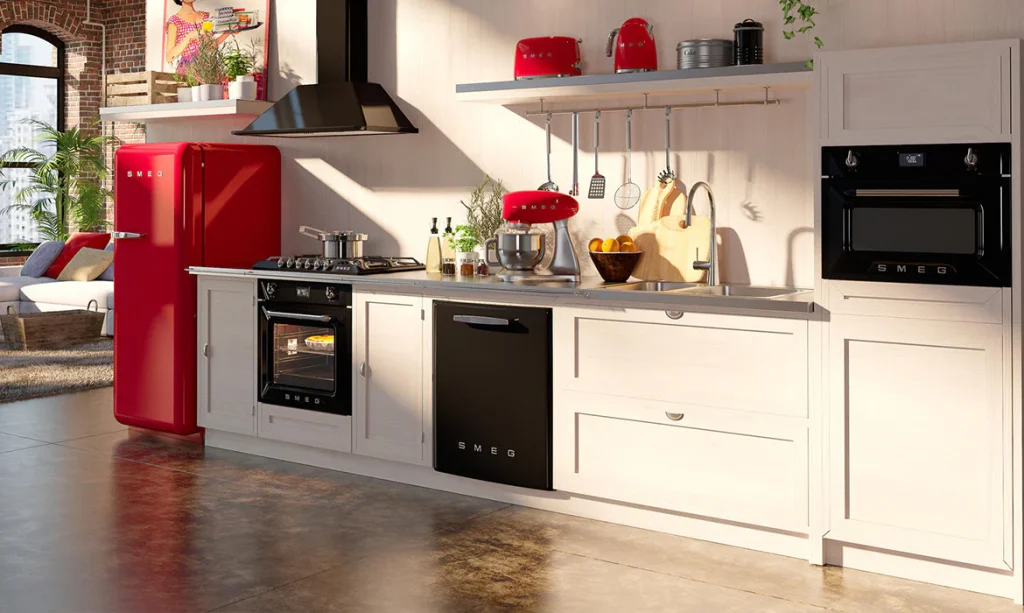
Practical guidance on using, installing, and getting the most from your white goods appliances. This section covers everyday use questions, installation advice, appliance safety, and environmental issues – written from over 40 years of hands-on engineering experience.

This hub covers general appliance use, installation guidance, safety, and environmental topics. For fault diagnosis and repair help on a specific appliance type, use the dedicated fault guides. For official safety notices, check the safety section below – several appliance models have had serious safety notices issued that every owner should be aware of.
Appliance Safety
When manufacturers identify a serious safety risk with a white goods appliance, they are required to issue an official safety notice. These notices are not issued lightly – they cover genuine risks including fire, electric shock, and gas leaks. Check the notices relevant to your appliances and share them with family members who may have older models.

Check the full list of manufacturer safety notices for all white goods appliances. If your appliance is listed, stop using it immediately and follow the manufacturer’s instructions. View all appliance safety notices.
 Just how dangerous are our appliances?
An honest look at the fire, flood, and injury risks from domestic white goods, and what the statistics actually show.
 8 ways to make your appliances safer
Practical steps every household can take to reduce the risk of fire, flood, and injury from white goods appliances.
 Mild electric shocks from an appliance
Why electric shocks from washing machines and other appliances happen, and why this should always be investigated immediately.
 Danger to children and pets
Documented incidents of children and pets becoming trapped inside appliances, and the practical steps to prevent it.
 Extension leads with appliances
Why extension leads are generally not recommended for high-current appliances, and what the risks are when they are used incorrectly.
 Extension sockets and adapters
The safety risks of using multi-socket adapters with washing machines, tumble dryers, and other high-draw appliances.
 Fabric softener and children’s sleepwear
Why fabric softener reduces the flame resistance of children’s nightwear, and what to use instead.
Keep a fire extinguisher nearbyWhy a fire extinguisher in the kitchen or utility room is a sensible precaution, and what type is most appropriate.
Turn appliances off at the socket?Whether switching off at the wall genuinely reduces fire risk, and for which appliances it matters most.
General Using Issues
These articles cover common questions about using appliances day to day – from understanding displays and programmes to issues that affect multiple appliance types.
 Time remaining display is inaccurate
Why modern washing machine time displays often bear no relation to how long the cycle actually takes, and why this is by design.
 Colour catchers can block the pump
How colour catcher sheets can disintegrate and block the drain pump filter – a commonly overlooked cause of drain faults.
 Appliance user manuals
Where to download a replacement instruction manual for most washing machine and white goods brands from the manufacturer.
Installing and Connecting Appliances
These articles cover how to connect appliances correctly to existing plumbing and electrical supplies, and the practical considerations that affect where and how an appliance can be installed.
 Installing washing machines
All installation and connection articles for washing machines – from plumbing connections to positioning and common mistakes.
 Installing tumble dryers
Installation guidance for vented, condenser, and heat pump dryers – including vent hose routing and stacking.
 Siting fridges and freezers
Where and how to site refrigeration appliances correctly, including garage suitability and ventilation requirements.
 Installing cookers and ovens
Legal requirements for gas and electric cooker installation, including when a Gas Safe engineer is required.
 Installing dishwashers
Connection options, plumbing requirements, and setup guidance for freestanding and integrated dishwashers.
 Don’t tile in front of appliances
Why tiling or fitting flooring up to an appliance installed under a worktop can make it impossible to remove without damaging the kitchen.
 Appliance stuck behind tiled floor
What to do when an appliance under a worktop cannot be pulled out because flooring has been fitted too close to its base.
Environmental Issues
These articles take a critical and honest look at environmental claims around white goods – from energy ratings and eco detergents to whether replacing old appliances really is better for the environment.
 Reduce energy costs
Practical steps to reduce the running cost of washing machines, tumble dryers, and other white goods without compromising results.
 Difference between A and A+?
Whether the difference in running cost between adjacent energy rating bands is significant in practice.
 Dump old appliances?
Whether replacing a working but older appliance with a newer, more efficient model is actually better for the environment when manufacturing is factored in.
 Environmental con?
A critical look at whether environmental claims around appliances and detergents are genuinely motivated by sustainability.
 How good are eco detergents?
An honest assessment of eco-friendly and green detergents – whether they clean as effectively as conventional products.
 Does WEEE penalise quality?
How the WEEE recycling regulations work, and whether they inadvertently disadvantage well-built appliances designed to last.
Eco-label improvement ideaA proposal for how appliance energy labelling could be improved to give consumers more meaningful information.
 Smoking ban and washing machines
How the ban on smoking in public places reduced the contamination of washing machine filters and improved machine longevity.
 Replacing the concrete weight
An innovation designed to replace the heavy concrete counterweight used in most drum washing machines with a lighter alternative.
Fault guides and repair help
For fault diagnosis, error codes, and DIY repair guides on specific appliances, use the dedicated fault sections below.
Frequently Asked Questions
Should I turn off appliances at the socket when not in use?
For most appliances, switching off at the socket when not in use is a sensible precaution – particularly for washing machines and tumble dryers, which carry a fire risk if left on standby for extended periods. Fridges and freezers must remain on continuously. Smart TVs and devices on permanent standby consume small amounts of electricity, but the fire risk from those is far lower than from appliances with heating elements. Read the full guide: should you turn appliances off at the socket?
Can I use an extension lead with a washing machine or tumble dryer?
This is generally not recommended. Washing machines and tumble dryers draw significant current, and a standard domestic extension lead may not be rated for the load. An underrated extension lead can overheat and cause a fire. If a permanent socket is not available in the required position, the correct solution is to have a new socket fitted by a qualified electrician. Read: using extension leads with white goods appliances.
Why should I not tile the floor right up to my washing machine?
If you tile or fit flooring flush to the base of an appliance installed under a worktop, you may make it permanently impossible to pull the machine out for repair, maintenance, or replacement without breaking the tiles. The correct approach is to leave a gap at the front so the machine can be removed freely. Read: do not fit flooring in front of your appliance.
Is it worth replacing an old appliance with a newer, more energy-efficient model?
Not always. The environmental and financial cost of manufacturing a new appliance is significant, and the running cost saving from a more efficient model may take many years to offset it. For appliances that are still working reliably, repair and maintenance is usually the better environmental choice. If the appliance is failing regularly or the repair cost is high, replacement may be justified. Read: do we need to dump old appliances to save the world?
How do I find a user manual for my appliance?
Most manufacturers now make instruction manuals available to download from their own websites. You will need the full model number from the rating plate on your appliance to find the correct manual. See our appliance user manuals page for links to manufacturer download pages for all major brands.