
Fabric Softener Compartment Full of Water
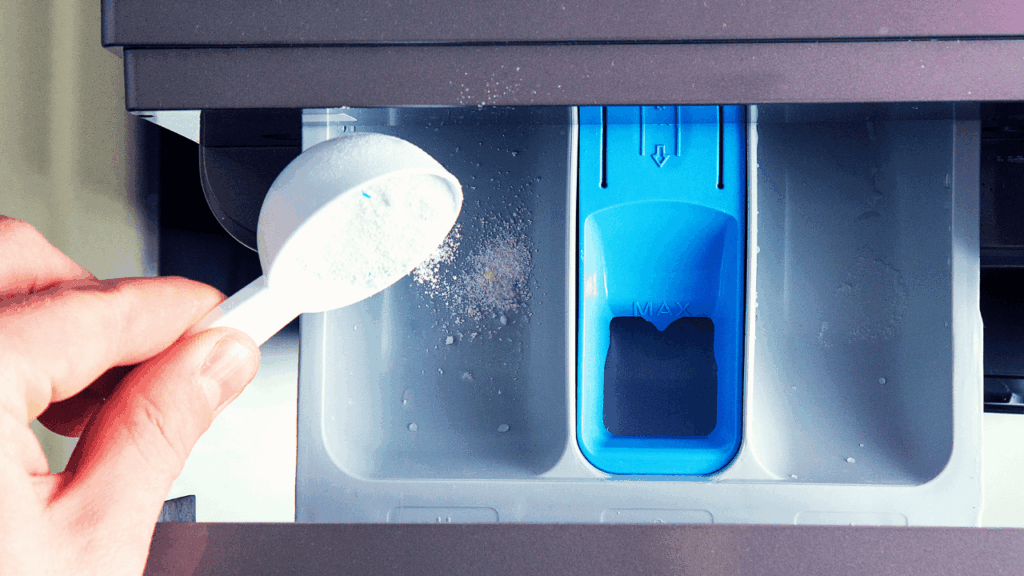

Remove the dispenser drawer, check the small siphon tube and cap at the back of the fabric softener compartment, and clean thoroughly. Blockage with old softener residue is the most common cause. Test the siphon action under a running tap before refitting. If the siphon tube or cap is missing, the compartment cannot drain and a replacement part is needed.
When a wash cycle finishes and the fabric softener compartment is still full of water, it almost always points to one of three causes: a blocked siphon tube, a missing siphon cap, or a build-up of old fabric softener residue in the dispenser drawer. This guide explains how the compartment is supposed to work, how to diagnose which cause applies, and how to fix it.
How the Fabric Softener Compartment Is Supposed to Work
Understanding the mechanism makes the diagnosis straightforward. The fabric softener compartment uses a siphon principle rather than a valve or pump, which is why a small plastic tube and cap are so critical to its function.
Step 1: The machine floods the compartment
At the correct point in the wash cycle, the washing machine directs a flow of water into the fabric softener compartment. This water floods the compartment and forces the fabric softener out over the edges and down into the drum to be mixed into the rinse water.
Step 2: The siphon starts
As the compartment fills with water, the rising water level reaches the top of a small plastic tube at the back of the compartment. The water rises up this tube and spills over into the main drawer channel, starting a siphon action.
Step 3: The compartment drains itself
Once started, the siphon continues drawing water up through the tube and out into the main drawer until the compartment is empty. The small plastic cap or cover on top of the siphon tube is essential to this process, as it shapes the water flow in a way that maintains the siphon until the compartment is fully drained.
What you should see at the end of the cycle
The fabric softener compartment should be empty, or contain only a very small trace of water. If the compartment still contains water, the siphon action has either not started, or not completed, indicating a blockage, a missing component, or a fault with the water supply pressure.
What Causes the Compartment to Stay Full of Water
 Blocked siphon tube
The most common cause. Fabric softener builds up inside the siphon tube and its cap over time, eventually restricting or completely blocking the water flow needed to start the siphon. Thick or concentrated fabric softeners and using more than the recommended dose both accelerate this build-up. Cleaning the tube and cap thoroughly usually resolves this immediately.
 Missing siphon cap or tube
If the plastic cap on top of the siphon tube is missing, or if the tube itself is absent, the siphon action cannot start correctly. Caps can come off during cleaning if not refitted, and on some machines they are a separate removable piece that is easy to lose. Check whether the cap is present before cleaning.
 Residue blocking the compartment base
Concentrated softener residue can build up on the floor of the compartment and around the base of the siphon tube, restricting water flow into the tube. This is often found alongside a blocked tube rather than as a standalone cause.
 Stray water entering the compartment
On some machines, deflected rinse water can enter the fabric softener compartment after the softener has already been dispensed. Small amounts of stray water collect but may not be enough to trigger the siphon, leaving the compartment partially full. See: fabric softener taken out too soon.
How to Diagnose and Fix the Problem
-
Remove the dispenser drawer. Pull the drawer out fully. On most machines there is a release tab or button that needs to be pressed to allow the drawer to come out past its normal stop. If you are not sure how to remove yours, read: how to remove the soap drawer.
-
Locate the siphon tube and cap. The siphon tube is the small plastic tube at the back of the fabric softener compartment. It usually has a cap or cover that sits on top, which is either integral or a separate removable piece. Check that both the tube and cap are present before doing anything else. If the cap is missing, that is the likely cause, and a replacement part is needed before any cleaning will resolve the problem.
-
Remove the cap and clean everything thoroughly. Take off the cap and remove the tube if it is removable. Wash the compartment, the tube, and the cap under hot running water, using a bottle brush or pipe cleaner to clear the inside of the tube if it is partially blocked. Fabric softener residue is sticky and may need soaking in warm water to dissolve fully. Clean the compartment floor and walls, and the channel that runs underneath to the main drawer body.
-
Test the siphon action before refitting. Hold the drawer under a running tap and allow water to fill the fabric softener compartment until it overflows into the main drawer area. Turn off the tap and hold the drawer level and steady. Watch the fabric softener compartment: the water should slowly siphon up through the tube and drain away over the next 20 to 30 seconds until the compartment is empty. If it drains, the siphon is working correctly. Refit the drawer and the problem should be resolved.
-
If the siphon test fails, check the tube and cap again. If water remains in the compartment after the test, the tube may still be partially blocked, or the cap may not be seating correctly. Re-clean and retest. If the tube and cap are visibly clear and correctly fitted but the siphon still does not work, the tube or cap may be damaged and need replacing. Search for your machine’s model number on our spare parts guide to find the correct replacement part.
-
Clean the drawer housing too. While the drawer is out, clean the housing in the machine that the drawer slides into. Mould, residue, and limescale build up in the housing channels over time and can contribute to blockage and poor water flow. A damp cloth or old toothbrush works well for the housing. Run the machine on a hot maintenance wash after refitting the clean drawer.

The tap test described in step 4 is reliable and takes less than a minute. It confirms the fix has worked before you run a full wash cycle.
If Cleaning Does Not Solve It
If the compartment is still full of water after thoroughly cleaning the tube and cap, and the siphon test works when tested under the tap, there may be a secondary cause to investigate.
On some machines, the angle at which rinse water enters the drawer housing can direct a small amount of water into the fabric softener compartment after the softener has already been dispensed. This stray water slowly collects but may not be enough in quantity to trigger the siphon. The compartment ends up partially full of clean water rather than soapy water. Read the full explanation: fabric softener taken out too soon.
Very high incoming water pressure can affect how the dispenser works, including the timing and force of water entering the softener compartment. If you suspect high pressure, try slightly reducing the flow on the washing machine tap and run a test cycle to see if the compartment drains fully. This is a less common cause but worth trying if cleaning has not resolved it and the machine otherwise works normally.
Preventing the Problem Recurring
Once you have cleaned the siphon tube and restored proper function, a few habits significantly reduce the chance of the problem returning.
-
Use the correct dose of fabric softener. Overfilling the compartment leaves residue that sticks to the tube and cap. Use the marked maximum fill line and do not exceed it. Concentrated softeners in particular should be used at the lower end of the recommended dose. -
Clean the dispenser drawer regularly. Remove and rinse the drawer every month or two to prevent residue build-up before it becomes a blockage. Pay particular attention to the siphon tube and cap each time. -
Consider diluting the fabric softener. Adding a small amount of water to the fabric softener before putting it in the compartment helps it flow more freely and reduces the likelihood of residue build-up in the tube. -
Run a maintenance wash periodically. A hot wash at 60°C or 90°C with no laundry and a washing machine cleaner flushes residue from the dispenser, drum, and hoses. Every one to three months is sufficient for most households.
Related Fabric Softener Faults
 Fabric softener not being taken out at all
The compartment still contains fabric softener after the cycle, meaning the machine failed to flush it out. Different causes and fixes to the water-only scenario.
 Fabric softener taken out too early in the cycle
When fabric softener is dispensed at the wrong point in the programme, it rinses straight through without conditioning the laundry. Causes and solutions.
 How to remove the soap dispenser drawer
Step by step guide to removing the detergent drawer for cleaning, including how to release the drawer past the stop on machines with a press tab.
 Do not use fabric softener on children’s sleepwear
Why fabric softener reduces the flame resistance of children’s nightwear and what to use instead to keep clothes soft safely.
 Save on fabric softener when tumble drying
How to reduce fabric softener usage when laundry is going straight into the tumble dryer after washing.
Need a repair or spare parts?
If cleaning the siphon has not resolved the problem, or if you need a replacement dispenser drawer, siphon cap, or other part, Whitegoods Help can point you in the right direction.
Frequently Asked Questions
Why is my fabric softener compartment full of water after the wash?
The most common cause is a blocked siphon tube in the fabric softener compartment. The compartment drains via a siphon mechanism rather than a valve, so any blockage from fabric softener residue will prevent it from emptying. Remove the dispenser drawer, clean the siphon tube and cap thoroughly, and test the siphon action under a running tap before refitting. A missing siphon cap is the second most common cause and results in the same symptom.
How do I clean the fabric softener compartment siphon?
Remove the dispenser drawer fully from the machine. Locate the small plastic tube and cap at the back of the fabric softener compartment. Remove the cap and clean the tube, cap, and compartment thoroughly under hot running water. Use a bottle brush or pipe cleaner inside the tube to clear any residue. Once clean, test the siphon by filling the compartment under a tap until it overflows, then turning the tap off and watching whether the compartment drains itself. If it does, the siphon is working correctly.
My siphon tube is clean but the compartment still fills with water. What else could it be?
If the tube and cap are clean and the siphon test works correctly under the tap, the most likely explanation is stray rinse water entering the compartment after the softener has been dispensed. This can happen when the water entering the drawer housing is deflected toward the softener compartment. Small amounts of water collect but may not be sufficient to trigger the siphon. Read our guide on fabric softener taken out too soon for a full explanation of this issue.
What is the plastic tube and cap in the fabric softener compartment for?
The small plastic tube and cap form the siphon mechanism that drains the fabric softener compartment after the softener has been dispensed. When the machine floods the compartment to flush out the softener, the rising water reaches the top of the tube, spills into the main drawer channel, and starts a siphon action that draws all remaining water out of the compartment. Without the cap, or with the tube blocked, this process does not work and water remains in the compartment.
The siphon cap on my fabric softener drawer is missing. Can I replace it?
Yes, but you need the exact replacement cap for your machine’s model. These small plastic parts are available through spare parts suppliers for most mainstream washing machine brands. You will need your machine’s exact model number to order the correct part. Search by model number on our spare parts guide. Searching for “dispenser drawer siphon cap” or “softener compartment cap” along with your model number will usually find the right part.
Is it normal to have a small amount of water in the fabric softener compartment?
A very small trace of water after the cycle is not unusual, as the siphon action does not always remove every last drop. However, a compartment that is substantially full of water after a completed cycle is not normal and indicates a blockage or missing component. If the softener itself has gone and only water remains, the softener function has worked but the siphon has not fully drained the compartment.
How often should I clean the fabric softener dispenser drawer?
Cleaning the drawer every one to two months prevents residue build-up from becoming a blockage. Pay particular attention to the siphon tube and cap each time. If you use concentrated fabric softener or regularly use more than the recommended dose, clean more frequently. Running a hot maintenance wash every month or two also helps clear residue from the dispenser housing and connecting channels inside the machine.
Ask the repair forum
Post the make, model and symptoms and get help from the Whitegoods Help community.