
Children & pets dying in washing machines and tumble dryers
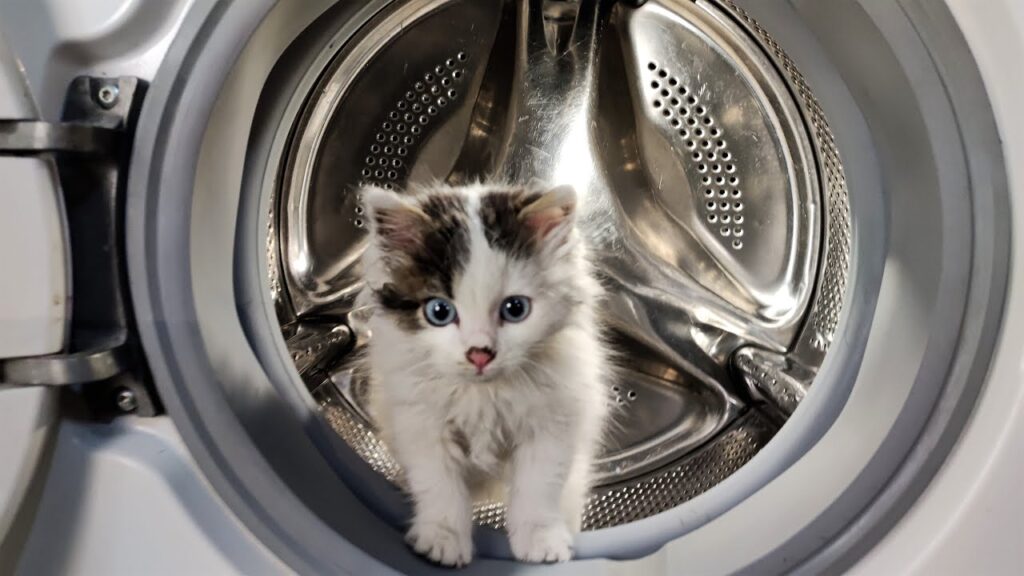

Always look inside the drum before loading and starting any cycle – this single habit prevents most child and pet entrapment incidents. Use the machine’s child lock when children are in the house, switch the appliance off at the socket when not in use, and never leave children or pets unsupervised near large appliances with doors large enough to enter.

This is a genuine and serious risk that is easy to overlook. A child can climb inside an appliance and be accidentally started up by another child, or remain hidden inside without being noticed before the door is closed and a cycle is started. The precautions below are simple and could prevent a tragedy.
Washing machines, tumble dryers, and other large appliances with doors large enough for a child to enter present a specific safety risk that most adults do not routinely think about. Awareness and a small number of consistent habits significantly reduce this risk.
How Children Are Put at Risk
Children are put at risk in appliances in two main ways. First, a child climbs inside voluntarily – thinking it is a hiding place – and a sibling or playmate closes the door and starts the machine. Second, a child is simply not seen inside the drum before the door is closed and the cycle started. A small child who thinks they are playing hide and seek may deliberately stay quiet and still even if they are aware an adult is looking for them.
-

Always look inside the drum before starting any cycle. Make this a non-negotiable habit, not an occasional check. Open the door, physically look inside, then load and start. -
Use the child lock if your machine has one. Many modern washing machines have an electronic child lock that prevents the machine being started with a specific button combination. Check the instruction manual and use it whenever children are in the house. Some also have physical door locks. -
Switch the appliance off at the socket when not in use. A machine that is unplugged or switched off at the wall cannot be started by a child playing with the controls – even if another child is inside the drum. This is especially important for tumble dryers, which run for extended periods. -
Do not leave children unsupervised near large appliances. Children are drawn to appliances with large doors by curiosity. Supervise access to the kitchen or utility room where appliances are installed.
Pets Inside Appliances
Cats in particular are drawn to the warmth and enclosed space of a washing machine drum. Pets have been seriously injured and killed after being accidentally started in washing machines, tumble dryers, and dishwashers when owners have thrown items in and started the machine without checking inside first. This is not a theoretical risk – it happens with enough regularity to appear in news reports.
BBC News has reported incidents including a kitten who survived a 10-minute wash cycle and a kitten who survived an hour-long spin cycle in Aberdeen. Modern machines use significantly less water than older models, which is the main reason cats in these incidents survived – a washing machine from 20 years ago would have filled with enough water to drown a trapped animal.

This single habit prevents the majority of pet-in-appliance incidents. Open the door, look inside, then load. This takes approximately two seconds and could save your pet’s life.
Do Not Leave Pets in a Room With a Running Appliance
Beyond the risk of pets climbing inside, appliances can injure or kill pets in other ways:
- Fires started by dishwashers, washing machines, or tumble dryers have killed pets left in the room during a cycle. For a specific case, see our guide on dishwasher fire risks and pets
- Door glass explosions on certain washing machine models have thrown glass across a room at significant velocity. See our guide on washing machine door glass danger
- Pets chewing through gas hoses or electrical cables connected to appliances present a serious risk to the animal and to the property
The recommendation not to leave any appliance running unattended applies doubly when pets are in the same room. This is not overcautious – these are documented causes of animal deaths and house fires.
More Appliance Safety Guidance
Related Safety Guides
 8 Ways to Make Appliances Safer
Practical steps every household can take to reduce fire, electrical, and physical risks from large appliances.
Is It Safe to Leave the Washing Machine On?The genuine risks from unattended appliances – and what the evidence says about running them while out or overnight.
Washing Machine Door Glass DangerExploding door glass – causes, which machines are affected, and what to do.
 Dishwasher Fire Risks and Pets
A documented case of pets killed in a dishwasher fire – and the broader fire risk from unattended appliances.
Frequently Asked Questions
How can a child get trapped inside a washing machine?
Children climb into washing machines and tumble dryers through curiosity or as part of play – treating the drum as a hiding place. A sibling can then close the door and press start. A child already inside can also be missed when an adult loads the machine without checking the drum first. Children may deliberately stay hidden if they think it is a game, even when they are aware an adult is present.
How do I prevent my cat from getting into the washing machine?
Always look inside the drum before loading and starting any cycle – this one habit prevents the majority of pet-in-appliance incidents. Cats are attracted to the warmth and enclosed space of a drum and may enter in the seconds between you opening the machine and loading it. Keep the machine door closed when not actively loading or unloading. Do not leave the machine running in a room where a cat has unsupervised access.
Is it safe to leave a washing machine or tumble dryer running if pets are in the house?
It is not recommended to leave any large appliance running when no person is in the room to respond to a problem – whether or not pets are present. Fires from dishwashers, washing machines, and tumble dryers have killed pets left in the same room. Do not leave pets locked in a room with a running appliance.
Ask the repair forum
Post the make, model and symptoms and get help from the Whitegoods Help community.
0 Comments