
Tumble dryer fire risk caused by filter
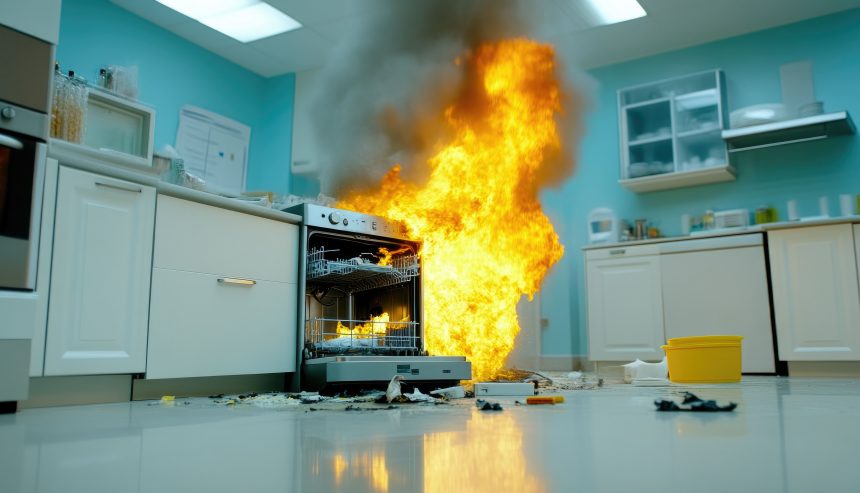

Clean the lint filter after every tumble dryer cycle – not weekly, not when it looks full, after every use. Vented dryers typically have one filter; condenser dryers can have two or three. A torn or damaged filter must be replaced immediately – fluff that bypasses the filter can reach the heating element and start a fire.

Lint and fluff accumulating inside a tumble dryer can ignite if it reaches the heating element. This is one of the most common causes of tumble dryer fires. The main lint filter must be cleaned after every single cycle – more often if drying towels or bedding. Condenser dryers may have two or three filters – check the instruction manual for all locations.
Why Filter Cleaning Matters
Tumble dryers work by circulating hot air through the drum. As this air passes through damp laundry it picks up moisture – and loose fibres. These fibres accumulate in the lint filter. A clogged filter restricts airflow through the drum, making the dryer work harder and longer to dry the same load. This increases energy consumption and drying time.
The more serious consequence is fire risk. When the filter is blocked or bypassed, loose fluff can circulate further into the machine and come into contact with the heating element. Lint is highly flammable. A dryer fire typically starts inside the machine and can spread rapidly.
 What happens with a blocked or neglected filter
- Reduced airflow through the drum – longer drying times
- Higher energy consumption per load
- Overheating of internal components as airflow is restricted
- Lint bypassing the filter and reaching the heating element – fire risk
- In severe cases, compressed fluff build-up that is virtually impossible to clean without disassembling the machine
 With a clean filter after every cycle
- Full airflow maintained through the drum
- Drying times and energy consumption remain at intended levels
- No accumulation of fluff in internal areas near heat sources
- Filter remains intact and effective
How to Clean the Tumble Dryer Filter
-
After every cycle, remove and clean the main lint filter. The filter is usually located just inside the door opening. Pull it out, peel off the accumulated lint with your hand, and refit it before the next use. This takes 10 seconds and should become automatic. -
Check the instruction manual for additional filter locations. Condenser dryers typically have a second filter – often accessed via a panel at the front base. Some models have a third. These secondary filters need less frequent cleaning but should be checked and cleaned regularly. Find your manual via our appliance user manuals page if needed. -
Check the filter for damage when cleaning it. A torn, cracked, or damaged filter allows fluff to bypass it entirely. A damaged filter must be replaced – a missing or damaged filter is more dangerous than a clean machine because lint goes directly into the internal workings unimpeded. Replacement filters for most models are available in our Spare Parts Shop. -
Do not run the dryer without the filter fitted. Never operate a tumble dryer with the filter removed, even for a single cycle. All lint produced goes directly into the machine interior.
Cotton towels, sheets, and similar heavy items shed significantly more lint per cycle than most other laundry. The filter fills faster when drying these items and should be checked mid-cycle if drying a large towel load, in addition to cleaning after the cycle ends.
Known Safety Notices Involving Dryer Fluff and Filters
Several tumble dryer models have been subject to safety notices specifically related to fluff and filter faults. In some cases the machine’s design allowed lint to bypass the filter and reach the heating element even when the filter was clean – resulting in fires. These notices affect millions of machines.

The Hotpoint/Indesit/Creda tumble dryer recall covers millions of machines where a design fault caused fluff to reach the heating element regardless of filter cleaning. See our guide on Hotpoint, Indesit and Creda tumble dryer fire risk, and our full tumble dryer safety notices list.
Tumble Dryer Safety
Related Guides
 Hotpoint, Indesit and Creda Dryer Fire Risk
Millions of tumble dryers affected by a design fault causing fluff to reach the heating element – check if yours is covered.
Tumble Drying Duvets – Fire RiskWhy duvets and large items create a fire risk in most domestic tumble dryers – and the six safety rules to follow.
 Never Stop a Tumble Dryer Mid-Cycle
Why interrupting the cool-down phase can cause smouldering in hot laundry even after the drum stops.
 8 Ways to Make Appliances Safer
Practical steps every household can take to reduce fire and electrical risks from large appliances.
Frequently Asked Questions
How often should I clean the tumble dryer filter?
After every single cycle – not weekly, not when it looks full. Lint accumulates in the filter during each use and even a partially blocked filter restricts airflow and increases fire risk. Clean it before starting the next load. The process takes about 10 seconds.
My tumble dryer has more than one filter – where are they?
Condenser dryers typically have two or three filters. The main lint filter is usually just inside the door opening. The secondary condenser filter is often accessed via a panel at the front base of the machine. Some models have additional filters at other locations. Check the instruction manual for your specific model – all filter locations and cleaning frequencies should be listed. If the manual is not available, download it via our appliance user manuals page.
Is it safe to use a tumble dryer with a torn filter?
No. A torn or damaged filter allows lint to bypass it and circulate into the machine interior where it can reach the heating element and ignite. Replace a damaged filter before using the dryer again. Replacement filters for most models are available as spare parts. Operating a dryer with a damaged or missing filter is more dangerous than operating it with a clogged filter.
Ask the repair forum
Post the make, model and symptoms and get help from the Whitegoods Help community.
2 Comments
Grouped into 1 comment thread.
Indesit washer Dryer caught fire
Model No: XWDE 861480X
Purchased 2019 – No warranty
What are my rights, if any?
Hello Leroy. That’s going to depend on exactly what caused it to catch fire. I would check to see if your model is on this list of a very well known and widely reported manufacturer safety notice issued Check if your dryer is affected