
Should you turn off taps when washing machine or dishwasher not in use?
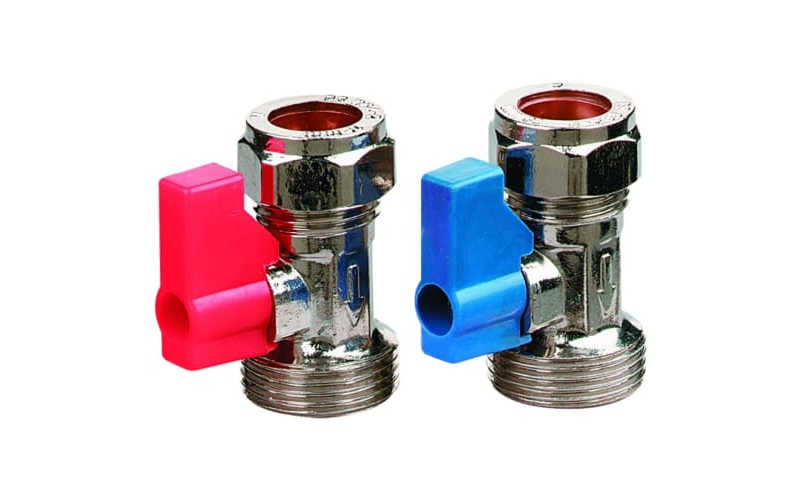

Yes – all major washing machine manufacturers recommend turning off the water supply taps when the machine is not in use. Leaving fill hoses under continuous mains pressure is a known flood risk. If the taps are not accessible, fitting an aqua-stop hose provides some protection from a fill hose failure.
Most people leave the taps supplying their washing machine permanently open. The machine appears to manage this without issue most of the time – but the risk is real and the consequences of a failure can be serious.
Why the Taps Should Be Turned Off

Fill hose failure under constant pressure
A fill hose left under mains pressure can fail or split at any time. Modern hoses are made from more durable materials than the soft rubber used in older machines, so catastrophic splits are less common – but they still happen. When they do, the result is a continuous flood until the water is turned off or runs out. This is most damaging when it happens overnight or while the house is unoccupied.

Increased pressure overnight
Water pressure in domestic supplies is not constant. Reduced demand overnight can cause pressure to rise above its normal daytime level. A connection that holds all day may fail under the higher overnight pressure – which is also when a leak would go unnoticed longest.

Sticking water inlet valve
A faulty or sticking water inlet valve inside the machine can allow water to enter the drum even when the machine is switched off or unplugged. If the tap is left open, this water has a continuous supply. If the tap is closed when the machine is not in use, a sticking valve cannot cause a flood. See our guide on washing machine filling with water when switched off.

Freezing in cold locations
If the washing machine is in a garage, outbuilding, or any location where temperature can fall below freezing, the water in the fill hose and tap can freeze. When the ice thaws, pressure builds rapidly and can cause a sudden and significant flood. If the machine is installed in a cold location, always turn the water off – and consider draining the hose completely during very cold spells. See our guide on putting a washing machine in a garage.
What to Do If the Taps Are Not Accessible
Many washing machines are installed with the supply taps behind the machine and against the wall – inaccessible without pulling the machine out. This is a common situation and makes turning the taps off after every use impractical.
 Fit an aqua-stop hose
Aqua-stop fill hoses have a mechanical flood protection device that closes off the water supply if the inner hose fails. They do not eliminate all risk – particularly sticking inlet valve faults – but they significantly reduce the flood risk from a split hose. See our guide on aqua-stop hoses.
Have the taps moved by a plumberIf flood risk is a serious concern – particularly in an upstairs installation or for anyone going away regularly – having the isolation taps repositioned to an accessible location is worth considering. The cost of a plumber visit is small compared to the cost of a flood claim.
At the very minimum, turn the water off when leaving the house for an extended period – holidays, weekends away, or any absence longer than a day. The risk of a fill hose failing in the first hour of a wash cycle while someone is at home is very different from the risk of it failing and running unnoticed for several days.
More on Appliance Safety
Related Guides
Washing Machine Filling With Water When Switched OffCauses of water entering the drum when the machine is not running – including sticking inlet valves.
Aqua-Stop HosesHow flood-protection fill hoses work and whether they are worth fitting on your machine.
 Washing Machine Leaking From Underneath
Causes of leaks from under the machine – including fill hose connection faults.
Washing Machine in a GarageThe practical and safety considerations of installing a washing machine in a garage – including freezing risk.
Frequently Asked Questions
Do I really need to turn off the taps after every wash?
Manufacturers recommend it, and it is good practice. In reality, many people leave the taps permanently open without incident. The risk is real but the probability of a failure on any given day is low. The most important times to turn the water off are when going away for an extended period, overnight if the machine is in a location where pipes could freeze, and any time an existing fill hose shows signs of wear or age.
What is the risk of leaving taps on overnight?
Water pressure can increase overnight when demand is lower across the supply network. A fill hose connection or hose body that holds safely during the day may fail under slightly higher overnight pressure. If a hose fails while everyone is asleep, a significant amount of water can flood before it is discovered. The risk is higher in older hoses or where connections were not tightened correctly.
My taps are behind the machine and I cannot reach them – what should I do?
Fitting aqua-stop fill hoses provides mechanical flood protection against fill hose failure. For a longer-term solution, having the isolation taps repositioned to an accessible location by a plumber is worth considering, particularly if the machine is in an upstairs room or if going away regularly. At minimum, turn the water off before any extended absence from the property.
Is a garage installation more risky?
Yes. If the temperature in the garage falls below freezing, water in the fill hose and tap can freeze. When it thaws, the sudden release of pressure can cause the connections to fail and water to flood rapidly. For any installation in a location subject to freezing temperatures, always turn the water off when the machine is not in use and consider draining the hose completely during cold spells.
Ask the repair forum
Post the make, model and symptoms and get help from the Whitegoods Help community.