
Why Is My Laundry Covered in Small Fibres After Washing?
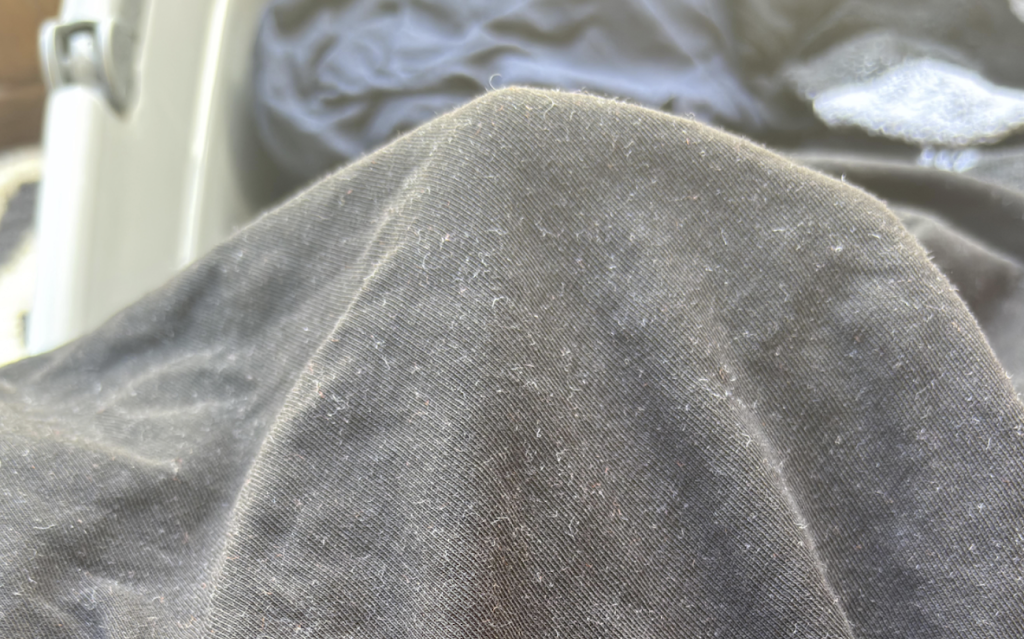

Small fibres on laundry are almost always caused by normal microfibre shedding from fabrics, not a washing machine fault. The issue is typically made worse by mixing different fabric types, combining light and dark laundry, or overloading the drum. Adjusting how you sort and wash your laundry usually reduces the problem significantly.

Finding clothes covered in tiny fibres, lint, or fluff after washing is a very common complaint. In most cases it is not a fault with your washing machine, and understanding why it happens is the first step to solving it. This guide covers what these fibres are, why they appear, and the practical adjustments that reduce the problem.
What are these small fibres?
The particles you see on clothing after washing are microfibres, tiny strands shed from fabrics during normal wear and washing. Every type of fabric sheds them, including:
 Cotton and natural fibres. Particularly from towels, bedding, and older garments that have been washed many times.
- Synthetic fabrics. Polyester, fleece, and acrylic blends tend to shed more than natural fibres.
- Fast fashion and lower-cost garments. These can release significantly more fibres than higher-quality textiles.
- Heavily used items. The more a garment has been worn and washed, the more fibres it releases.
Microfibre shedding is a normal and unavoidable process. All laundry sheds fibres – they are just not always visible. The problem becomes noticeable when fibres transfer onto garments where they show up clearly, particularly due to colour contrast.
Is it a washing machine fault?
In the vast majority of cases, this is not caused by a fault with your washing machine. This is one of the most common misconceptions about this issue.
 Evidence it is not a machine fault
The problem typically persists even after replacing the appliance, occurs across different brands and models, and is more closely linked to washing habits and fabric combinations than the machine itself.
 What washing machines cannot do
Unlike tumble dryers, modern washing machines do not have lint filters capable of capturing fine microfibres. These fibres are either flushed away with wastewater or remain loosely attached to garments after the cycle.

If you have recently replaced your washing machine and the problem has continued, this is a strong indicator that the cause lies in your laundry habits or fabric types, not the appliance. Read our guide on how to tell if your washing machine is actually faulty.
Why does the problem seem worse for some people?
Microfibres are present on almost all washed laundry, but they are not always noticeable. The issue becomes apparent when there is a strong visual contrast, for example:
 Light fabrics, dark fibres
White or pale garments pick up dark fibres from towels, denim, or dark synthetics, making even small amounts of transfer highly visible.
 Dark clothing, white lint
Black or navy garments show up white lint from cotton towels, bedding, or light-coloured clothes very clearly.
 Bright lighting conditions
Strong natural light highlights airborne fibres when clothes are shaken out, making the issue appear more severe than it is in everyday wear.
 Modern synthetic fabrics
Many contemporary textiles, particularly synthetic blends, shed more microfibres than traditional materials. Fast fashion garments are especially prone to this.
What are the most common causes?
Mixing different fabric types
Washing lint-heavy fabrics such as towels, fleece, or cotton knitwear alongside smoother garments is the single most common cause. Heavy fabrics release fibres that cling directly to other items in the drum.
Mixing light and dark laundry
Combining light and dark items increases the visibility of transferred fibres, even if the amount of fibre transfer is no different from usual. This is one of the most common reasons the problem suddenly becomes noticeable.
Overloading the drum
When the drum is overloaded, garments cannot move freely. This increases friction between items, leading to more fibre shedding and transfer. See our guide on how to load a washing machine correctly.
Incorrect wash cycle or temperature
Aggressive cycles, high spin speeds, and unsuitable temperatures all increase fabric wear. Many garments, particularly synthetics, are designed for gentle, cool washes even if they do not look delicate.
Fabric wear and garment quality
Lower-cost garments and heavily used items release significantly more fibres over time. As a garment ages, fibre shedding naturally increases with each wash.
How do you reduce fibres on your laundry?
The good news is that this issue can usually be improved significantly by making a few adjustments to your washing routine.
-
Separate your laundry properly. Wash towels, bedding, and lint-heavy fabrics in a separate load from smooth or dark garments. This is the single most effective step you can take.
-
Separate light and dark items. Wash light and dark laundry separately to minimise the visibility of any fibre transfer that does occur.
-
Turn garments inside out. This keeps fibres on the inside of the fabric where they are less visible, and reduces surface wear during the wash.
-
Use the correct wash cycle. Select a lower temperature and gentler programme wherever possible. Check care labels – many modern garments benefit from a 30°C or delicate cycle. See our guide on what wash symbols mean.
-
Do not overload the machine. Leave enough space for clothes to move freely. A good rule of thumb is to fill the drum no more than three-quarters full for most loads.
-
Clean the pump filter regularly. A blocked filter affects water circulation and rinsing performance, which can leave more residue on garments. See our guide to cleaning your washing machine pump filter.
Does a tumble dryer help?
Yes, a tumble dryer can actually reduce visible lint on clothing. During the drying cycle, loose fibres are captured in the lint filter and separated from garments by the tumbling action.
Dryers do not prevent fibre shedding, they simply collect a portion of it. If you use a tumble dryer, clean the lint filter after every cycle to maintain effectiveness. Read more about tumble dryers on Whitegoods Help.
If you air-dry your laundry and the problem is significant, switching some loads to a dryer may provide a noticeable improvement, particularly for garments that attract a lot of lint.
Why is this more noticeable than it used to be?
There are several reasons why this issue has become more commonly reported in recent years:
 More synthetic fabrics. Modern clothing uses more polyester and synthetic blends, which shed more microfibres than traditional natural fabrics.
 Lower water usage. Modern washing machines use significantly less water than older models, which may result in fibres being less effectively rinsed away during the cycle.
- Fast fashion. Lower-cost garments often use lower-quality yarns that shed more fibres from the very first wash.
 Increased awareness. Microfibre pollution is now widely discussed as an environmental issue, which has made more people aware of fibre shedding in general.
When should you be concerned?
In most cases, fibres on clothing are a cosmetic issue rather than a fault or safety concern. However, further investigation may be needed if:
Excessive lint that appears suddenly without any change in washing habits, clothing being visibly damaged or degraded, or signs of poor rinsing such as white residue remaining on garments after washing.
In these situations, review your detergent quantity, wash cycles, and the condition of your appliance. If you suspect a genuine machine fault, our washing machine repair guide can help you diagnose the problem, or you can book a qualified engineer.
Frequently asked questions about fibres on laundry
Is my washing machine broken if it leaves fibres on clothes?
Almost certainly not. Fibre transfer is a normal part of the washing process. Modern washing machines do not have lint filters to capture microfibres, unlike tumble dryers. If the problem persists after replacing the machine, the cause is almost certainly your washing habits or fabric types rather than the appliance.
Why do my dark clothes attract so much white fluff?
Dark fabrics show light-coloured fibres very clearly, even when only a small amount of transfer has occurred. The most common cause is washing dark items alongside light-coloured lint-heavy fabrics such as cotton towels or bedding. Separating your laundry by colour and fabric type will make a significant difference.
Can I buy a filter to stop fibres getting on my clothes?
Some external microfibre filters can be fitted to the washing machine’s drain hose or outlet to capture fibres before they enter the water system. These can help reduce fibre shedding but will not eliminate it entirely. They are primarily designed to reduce environmental microplastic pollution rather than to improve laundry results.
Does washing at a lower temperature help reduce fibres?
Yes. Lower temperatures and gentler cycles reduce friction and fabric wear during washing, which means less fibre shedding overall. Most modern detergents work effectively at 30°C, so switching to a cooler wash is a simple and effective step. See our advice on washing at 30 degrees.
Why has this problem started suddenly – nothing has changed?
In many cases, something has changed without being immediately obvious – a new garment added to the wash, a towel reaching the end of its useful life, or a change in the mix of fabrics being washed together. Lighting conditions can also make a difference. Environmental factors, such as fibres from carpets or soft furnishings, can also contribute, particularly if clothes are sorted or stored in areas with lots of fabric.
Does fabric softener make the fibre problem worse?
Fabric softener can reduce friction between fibres and may slightly reduce shedding. However, it will not solve the problem if you are mixing incompatible fabric types. Overuse of fabric softener can also leave residue on garments. See our guide on fabric softener issues for more detail.
Can detergent type affect how many fibres end up on my clothes?
Yes. Using too much detergent can leave residues that trap fibres on garments rather than rinsing them away, particularly in modern low-water-use washing machines. Using too little detergent can leave dirt and fibres deposited back onto garments. Match the detergent dose to the load size, water hardness, and soil level for best results. Liquid and gel detergents tend to rinse out more thoroughly than powders, which can leave more residue if the rinse cycle is short or the load is overfilled. See our guide on which detergent is best.
Join the discussion
This article covers the key causes and solutions, but the full community discussion contains additional insights – including possible environmental factors such as fibres from carpets and soft furnishings.
Ask the repair forum
Post the make, model and symptoms and get help from the Whitegoods Help community.
1 Comment
Grouped into 1 comment thread.
Was this ever resolved? I’m losing my mind and it’s making us ill. I’ve tried every piece of advice on the forum, on Reddit, that AI had. I’ve bought a new washing machine, air purifier, water softener, filter, I’ve started using a dryer – you name it I’ve done it. Please, please let me know if you figured this out.