
Why Does My Washing Machine Smell
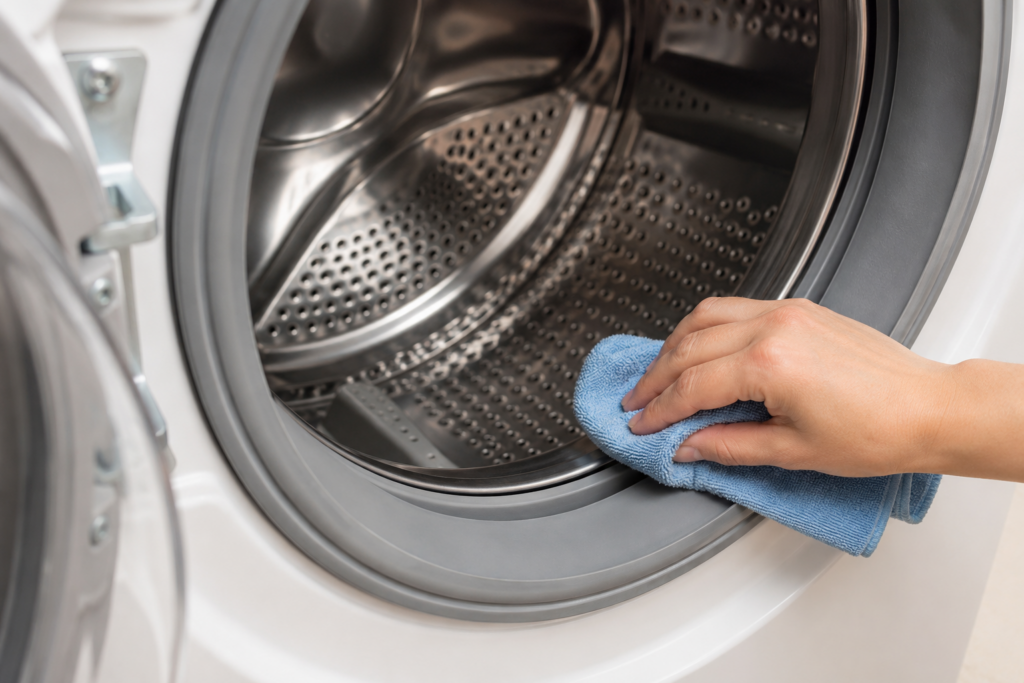

A washing machine that smells almost always has one of six causes: mould and bacteria in the drum and tub, a blocked or neglected pump filter, mould or grime in the rubber door seal, sewer or drain gases coming back up the drain hose, detergent and softener residue trapped in the dispenser and inside the machine, or limescale buildup in hard water areas. Each smell has a distinct character, each has a different fix, and most washing machine smells can be eliminated completely within a few cycles once the right cause is identified. This guide covers all six causes, how to tell which one you have, and how to fix it permanently rather than just masking it.
Identifying the smell tells you what is wrong
The single most useful diagnostic step when a washing machine starts to smell is paying attention to what kind of smell it is. Different causes produce distinctly different smells, and the right fix depends on identifying the right cause. The five most common smell categories below cover the vast majority of UK washing machine smell complaints.
By far the most common washing machine smell. The cause is almost always mould and bacteria growing in places inside the machine where water sits and air does not circulate — the door seal folds, the drum and tub interior, the detergent drawer, and the pump filter. The smell often transfers to clothes and is particularly noticeable on lightly-soiled or low-temperature wash loads.
A more sulphurous, hydrogen-sulphide smell that comes and goes, often worse at the start of a cycle or when the machine has not been used for a few days. Almost always caused by sewer gases coming back up the household drain into the washing machine through the waste hose, rather than anything inside the machine itself.
Excessive detergent or fabric softener residue trapped inside the machine, particularly in the dispenser drawer, the drum, and the hoses leading from the dispenser. Often worse in households who use more detergent than necessary, or who use heavily perfumed liquid detergents and fabric softeners.
A potentially serious fault rather than a hygiene problem. Burning smells from a washing machine can indicate a failing motor, a slipping or damaged drive belt, a heating element problem, or an electrical fault. Stop using the machine, unplug it, and get a qualified diagnosis before running another cycle. See our piece on DIY appliance repair safety for the broader context.
Occasionally, a small rodent or insect can find its way into the back of a washing machine and die inside. The resulting smell is unmistakable and gets worse over time. More common in machines kept in garages, outhouses, or utility rooms with poor seal to outside spaces. Resolution requires the back panel coming off for inspection.
Cause 1: Mould and bacteria in the drum and tub (the most common cause)
The damp musty smell that affects the majority of UK washing machine smell complaints comes from microbial growth — typically Pseudomonas, Staphylococcus, and various mould species — that thrive in the warm, damp, soap-residue-rich environment inside a washing machine that is not properly maintained.
The conditions inside a washing machine after a wash are almost perfectly designed for microbial growth. The drum stays slightly damp. Residual water sits in low points of the tub. Detergent residue provides nutrients. The door seal traps moisture in its folds. Temperatures inside a closed washing machine sit at room temperature for hours or days between uses. Modern lower-temperature wash cycles (30°C, 40°C) do not kill the microbes that thrive in this environment, and may actually encourage them by not reaching temperatures that would destroy them.

The fix: a proper maintenance wash
Run a hot wash with no clothes and no detergent at 90°C (or the hottest setting your machine offers, typically 90°C or “boil wash”). The high temperature kills the bacteria and mould inside the drum and tub. Add a cup of white distilled vinegar or a dedicated washing machine cleaner to the drum (not the dispenser) for the cycle to break down accumulated residue. Run this maintenance cycle once a month minimum, weekly if the smell is severe. See our full guide on how to clean a washing machine for the complete routine.

The prevention: occasional hot washes
The root cause of mould buildup in modern washing machines is the shift to routinely low-temperature washing. Running every wash at 30°C or 40°C never raises the inside of the machine above the temperature range where bacteria thrive. A single hot wash (60°C or above) per week — typically when washing towels, bedding, or whites — is enough to reset the microbial population and prevent the smell from establishing. This is the single most important prevention habit. See our piece on washing at 30 degrees for the wider context.

Leave the door ajar between washes
Closing the door immediately after unloading traps moisture and creates ideal conditions for mould to grow back. Leaving the door slightly open between washes allows the drum and seal to dry out properly. The same applies to the detergent drawer — many drawers can be left slightly out or removed entirely between washes. Both habits cost nothing and meaningfully reduce mould buildup over time.

The greyish coating on the drum
If you can see a greyish-white or slimy coating inside the drum, the mould and detergent residue buildup has reached a visible stage. This needs more than a single maintenance wash to clear properly. See our dedicated guide on how to remove a greyish-white coating from the drum for the step-by-step routine. Significant visible coating typically takes two or three maintenance cycles to clear completely.
Cause 2: The pump filter (the most ignored cause)
Almost every front-loading washing machine has a pump filter behind a small access panel on the lower front of the machine. The filter catches lint, hair, coins, paper clips, bra wires, hair grips, buttons, tissues, and anything else that escapes from clothes during washing. Over time, all of that trapped debris becomes a smelly, slimy mass that is one of the single largest contributors to washing machine smells in older machines.
Manufacturers recommend cleaning the pump filter every two to three months. The vast majority of UK households never clean it at all. After several years, the filter and the pump housing it sits in can hold a kilogram or more of trapped debris and stagnant water, which smells exactly as bad as that sounds.

How to clean the pump filter
Locate the access panel on the front lower right (sometimes lower left) of your machine — a small flap, usually with a small drain hose tucked behind it. Place a shallow tray and several towels under the panel before opening, because water will come out. Use the drain hose to drain the residual water first if available, then unscrew the filter (anti-clockwise). Pull out everything trapped behind it. Rinse the filter under a tap. Run a finger or a brush around the inside of the housing to clear any remaining sludge. Replace the filter and close up. See our piece on cleaning pump filter — now it leaks for the common gotcha if the filter is not seated properly afterwards.

How often
Once every two to three months for a normal-use household, more frequently if the household includes people with long hair, or if you wash items that shed heavily (pet bedding, fluffy towels, new dark clothes that bleed lint). Setting a recurring calendar reminder is the simplest way to actually get this done.
What if the filter is stuck
A pump filter that has not been cleaned for many years can become genuinely stuck due to limescale, debris compression, and seal degradation. Forcing it can crack the housing. If the filter will not turn after reasonable effort, soak the area in a vinegar solution for 30 minutes to dissolve limescale before trying again. If it still will not budge, this is a job for a qualified engineer — see our appliance repair booking.
Cause 3: The rubber door seal (front loaders only)
Front-loading washing machines have a flexible rubber door seal (the “bellows” or “gasket”) that creates the watertight closure around the drum opening. The seal has folds and channels that trap small amounts of water, lint, hair, coins, and detergent residue after every wash. Without active cleaning, these accumulate over time and become a significant source of musty smells, visible black mould, and occasionally a sticky residue that transfers to clothes.
How to clean the seal
With the door open, pull the rubber seal back gently and inspect inside the folds, particularly at the bottom where water and debris collect by gravity. Wipe out with a damp cloth, then use a cloth dampened with white vinegar or a mild bleach solution (3 parts water to 1 part bleach) to clean the seal surfaces and folds thoroughly. Pay particular attention to any visible black spots, which are mould. Wipe dry afterwards. Repeat weekly until visible buildup has gone, then monthly as a maintenance routine.
When the seal is beyond cleaning
A rubber door seal with deeply ingrained mould, visible cracking, perished texture, or a persistent smell that returns within days of cleaning may need replacement rather than cleaning. Seal replacement is a routine repair on most modern washing machines, costing typically £40 to £80 for the part plus around £80 to £150 for the labour to fit. For machines under five years old, this is usually worth doing; for older machines, weigh it against the residual life of the machine using our repair or replace guide. Replacement seals are available through our spare parts service.

Prevention: dry the seal after every wash
The single most effective prevention habit is wiping out the lower fold of the seal with a cloth after each load is unloaded. Five seconds of attention prevents the buildup that takes 30 minutes to clean off later. Combine this with leaving the door ajar between washes (so the seal can air-dry) and the seal will stay clean indefinitely.
Cause 4: Drain hose and household plumbing (the “sewer smell” cause)
If the smell is more of a rotten-egg, sulphurous, or sewer smell, the source is almost never inside the washing machine itself. It is coming from the household drainage system through the washing machine’s drain hose, particularly when the standing trap that should separate the machine from the sewer is dry, missing, or incorrectly installed.
This kind of smell often comes and goes, is worse at the start of a cycle (when residual gases are pushed out as water fills), and is worse if the machine has not been used for a few days (because the trap dries out without regular water flow). The smell may also be noticed elsewhere in the kitchen or utility room, not just at the washing machine. Our existing piece on smells caused by plumbing faults covers this in detail.

The standing trap is missing or dry
Every household drain needs a water trap (the U-bend or P-trap on the waste pipe) that holds standing water and prevents sewer gases coming back up into the home. If your washing machine waste hose plugs directly into a stub on the back of the kitchen unit with no trap between the machine and the sewer, gases come straight up the hose. A properly installed trap costs £10 to £30 in parts and is a quick job for any plumber. This is the most common cause of “sewer smell” complaints around a washing machine and the only proper fix.
The drain hose is incorrectly positioned
The washing machine drain hose needs to be lifted to a specific height (usually 60 to 90cm above the floor, depending on the model) so that water flows out under gravity but the hose itself does not act as a siphon that empties the trap. A drain hose pushed deep into a waste pipe, or sitting at floor level, can siphon the trap dry and let sewer gases up. Check your machine’s user manual for the correct hose height and routing.

Check the hose itself
Inside the corrugated drain hose, residue and biofilm can build up over years of use, producing its own smell. A hose that is visibly discoloured, kinked, or many years old can be replaced cheaply. Replacement is a 10-minute job for most front-loading machines with the right new hose, which you can source through our spare parts service.
Cause 5: Detergent and softener residue
The “too much perfume” or “soapy” smell that some washing machines produce comes from accumulated detergent and fabric softener residue trapped in places the wash cycles do not effectively rinse. The dispenser drawer, the hoses leading from the dispenser into the machine, the parts of the tub above the normal water line, and the underside of the drum spider can all hold residue that does not wash away in normal use.
Clean the dispenser drawer
The detergent and softener dispenser drawer can usually be fully removed by pulling it out and pressing a release tab. Take it out, wash it thoroughly in hot water (an old toothbrush helps reach the corners), and pay particular attention to the softener compartment which often holds standing residue. While the drawer is out, look inside the drawer housing — the underside of the top often has visible black or grey mould buildup that needs scrubbing out. Our piece on fabric softener compartment full of water covers a specific common version of this problem.

Use less detergent
Most UK households use significantly more detergent than necessary. The maximum dose marked on detergent packaging is for very heavily soiled loads in hard water. Normal everyday laundry needs typically half to two-thirds of that dose, and modern detergents are concentrated enough that even less may be sufficient. Excessive detergent does not produce cleaner clothes — it produces more residue, more rinse cycles wasted, and significantly more smell over time. See our piece on which is the best type of washing machine detergent for the wider context.
Reduce or eliminate fabric softener
Fabric softener is the worst single offender for residue buildup inside washing machines. The waxy and oily ingredients coat the drum, the seal, the dispenser, and the internal hoses, creating a sticky surface that traps bacteria and produces persistent smells. Many households find that simply stopping fabric softener use for two to three months eliminates a long-standing smell completely. If you genuinely want softer towels and clothes, vinegar in the softener compartment achieves similar results without the residue.
Cause 6: Limescale (hard water areas only)
In hard water areas of the UK — broadly south-east England, East Anglia, and parts of the Midlands — limescale buildup on the heating element and inside the drum is a slow accumulating problem that does not directly cause smells but creates the conditions where other smell-causing problems thrive. Limescale traps detergent residue, provides surface area for bacterial growth, and reduces the effective temperature of hot washes (because scale acts as insulation between the element and the water).
If you live in a hard water area and your washing machine smell does not respond fully to the other interventions above, descaling is worth adding to the routine. See our dedicated piece on how to descale a washing machine in hard water areas for the full method, and on limescale in washing machines for the wider picture.
The step-by-step deep clean: a complete reset
If your washing machine smell has been building for months or years, a single maintenance wash will not solve it. The complete deep clean below addresses every common cause in sequence and gives the machine a proper reset. Allow approximately 90 minutes of active work plus one or two cycle runs.

1. Clean the pump filter
Access the filter behind the lower front panel. Drain the residual water through the drain hose. Unscrew the filter, clear out all trapped debris, rinse, and replace. This single step often dramatically reduces the smell on its own.

2. Remove and clean the dispenser drawer
Pull the dispenser drawer out, wash it thoroughly in hot soapy water with a brush, and scrub the inside of the drawer housing with an old toothbrush. Replace once dry.

3. Wipe the door seal thoroughly
Pull the rubber seal back gently and wipe out all folds with a cloth dampened in vinegar or a mild bleach solution. Pay particular attention to the bottom of the seal where water collects.

4. Run a maintenance wash with cleaner
Add one cup of white distilled vinegar plus a dedicated washing machine cleaner directly to the drum. Run the hottest cycle available (90°C or “boil wash”). Do not add any clothes or detergent.

5. Run a second maintenance wash with bicarbonate of soda
Add a cup of bicarbonate of soda (baking soda) to the drum and run another hot cycle. This neutralises any remaining acidity from the vinegar and helps remove odour-causing residue. Together, the vinegar and bicarbonate cycles address most of what a commercial machine cleaner does at a fraction of the cost.

6. Wipe out the drum and inspect
After the cycles complete, wipe out the drum, the door seal again, and the drawer area. The machine should now smell fresh. If a smell persists, the cause is likely structural (drain hose, household plumbing, seal beyond cleaning) rather than hygienic. Move on to the relevant diagnostic section above.

7. Adopt the prevention routine
Leave the door slightly ajar between washes. Pull the dispenser drawer out slightly when not in use. Run at least one hot wash (60°C or above) per week. Wipe the door seal occasionally. Clean the pump filter every two to three months. Run a maintenance wash monthly. These habits take less than 5 minutes a week combined and prevent the smell from ever returning.
The ongoing prevention routine
Once the machine is fully clean, keeping it that way is significantly easier than fixing an established smell. The routine below is what appliance engineers recommend for households who want their machine to stay fresh without ever having to do a deep clean again.
| Frequency | Task |
|---|---|
| After every wash | Leave the door ajar. Pull the dispenser drawer out slightly. Wipe out the lower seal fold if visibly wet. |
| Weekly | Run at least one wash at 60°C or above (typically towels, bedding, or whites). |
| Monthly | Run a maintenance wash at 90°C with vinegar or commercial cleaner, no clothes, no detergent. |
| Every 2-3 months | Clean the pump filter. Take out and wash the dispenser drawer thoroughly. |
| Every 6 months | Thoroughly clean the door seal with a vinegar or mild bleach solution. Wipe out the drawer housing. |
| Annually | Check the drain hose for kinks, age, or smell from the hose itself. Inspect the back of the machine for any signs of leaks or buildup. Descale if in a hard water area. |
When the smell is structural, not hygienic
For a small minority of cases, the smell persists despite a complete deep clean and the prevention routine. When this happens, the cause is usually structural rather than hygienic and needs a different approach.

Seal too far gone
A rubber door seal that has been mouldy for years sometimes cannot be cleaned back to neutral, no matter how many cycles are run. The rubber itself has absorbed odour-causing compounds and continues to release them. Replacement is the only complete fix in this case.
Plumbing issue
If the smell is sewer-like and persists, the household plumbing needs attention rather than the machine. A missing or dry trap, an incorrectly positioned drain hose, or a sewer venting problem are all jobs for a plumber, not an appliance engineer. See our piece on smells caused by plumbing faults for the diagnostic detail.

Machine beyond saving
In rare cases, a very old or heavily neglected machine has accumulated so much residue and biofilm inside the internal hoses and pump housing that no realistic cleaning routine reaches it all. If the machine is also approaching the end of its expected service life (10+ years) and showing other faults, replacement may be more economical than continued cleaning. See our editorial on repair or replace for the decision framework.
The burning smell exception
If the smell is burning, electrical, or hot plastic, treat it as a fault rather than a hygiene problem. Stop using the machine immediately, unplug it from the wall, and get a qualified diagnosis before running another cycle. Burning smells from washing machines can be early signs of motor failure, drive belt slip, heating element issues, or wiring faults — all of which can develop into safety problems if ignored. Our appliance repair booking covers diagnostic visits across the UK.
The Whitegoods Help view
The honest editorial position is that washing machine smells are nearly always a maintenance problem rather than a fault. The shift to lower-temperature washing over the past 20 years has not been matched by a corresponding shift in maintenance habits, with the predictable result that most modern machines accumulate bacterial and mould growth that older hot-wash routines used to keep in check automatically.
The fix is rarely expensive. The pump filter cleaning, the maintenance wash, the door-ajar habit, and the occasional hot wash together cost almost nothing and prevent the vast majority of smell complaints if practised consistently. The commercial washing machine cleaning products sold for this purpose work, but vinegar plus bicarbonate of soda achieves the same result for a fraction of the cost.
The genuinely useful thing we can add as an appliance engineer voice is to make clear that washing machine smells are almost always solvable and rarely a reason to replace the machine. Households who reach a point of throwing out an otherwise functional washing machine because of a persistent smell are usually one or two maintenance interventions away from a fresh-smelling appliance. Read the smell, address the cause, adopt the prevention routine, and the problem stays solved.
Need more help with your washing machine?
If a persistent smell turns out to be a damaged seal, a failed drain pump, or a wider mechanical issue rather than a maintenance problem, our nationwide repair service and spare parts service can identify and supply the right replacement parts for your specific machine and brand.
Frequently asked questions
Why does my washing machine smell like rotten eggs or sewage?
This sulphurous, rotten-egg smell almost always comes from sewer gases coming up through the household drainage system rather than from anything inside the washing machine. The most common cause is a missing or dry water trap on the waste pipe that the machine drains into. A properly installed plumbing trap prevents this. See our piece on smells caused by plumbing faults for the diagnostic and fix.
Why do my clothes smell musty after washing?
The most common cause is mould and bacteria growth inside the washing machine — typically in the drum, the door seal, the pump filter, or the dispenser drawer — transferring to clothes during the wash cycle. The fix is a proper deep clean of the machine followed by a regular maintenance routine that includes at least one hot wash per week. See the deep clean section in this article for the full method.
How often should I do a maintenance wash on my washing machine?
Monthly for a normal-use household, more frequently (every two weeks) if the machine has a developing smell or if you wash heavily soiled loads regularly. The maintenance wash should be at 90°C or the hottest setting available, with no clothes, no detergent, and a cup of white vinegar or a dedicated washing machine cleaner added to the drum.
Does washing at 30°C cause my washing machine to smell?
It can, over time, if the machine never runs at higher temperatures. Low-temperature wash cycles do not kill the bacteria and mould that thrive inside a washing machine. The fix is not to abandon 30°C washing, which is energy-efficient and effective for normal laundry, but to add at least one weekly hot wash (60°C or above) — typically when washing towels, bedding, or whites — to reset the microbial population. See our piece on washing at 30 degrees for the wider context.
What is the best washing machine cleaner?
Several commercial products (Calgon, Dr Beckmann, Ecozone, Astonish, and others) work effectively when used as directed. However, white distilled vinegar plus bicarbonate of soda used in two separate hot cycles achieves a comparable result at a fraction of the cost. For households with hard water and limescale issues, a descaler product specifically designed for washing machines is more effective than vinegar alone. See our pieces on whether Calgon is worth using and on descaling a washing machine in hard water areas for the detail.
Why does my pump filter smell so bad?
The pump filter catches lint, hair, and small items that escape from clothes during washing. Combined with standing residual water that sits in the pump housing between cycles, this accumulated debris becomes an active microbial environment within months and a significant smell source within a year or two. Cleaning the filter every two to three months prevents this. See our piece on cleaned pump filter — now it leaks for the common gotcha after cleaning.
Should I leave the washing machine door open between washes?
Yes, slightly. Leaving the door ajar between washes allows the drum, the seal, and the dispenser to dry out properly, which prevents the damp conditions that mould and bacteria need to grow. Households who consistently leave the door open between washes report significantly fewer smell problems over time than those who close the door immediately. The only caveat is in homes with young children or pets, where an open machine door at toddler height can be a safety concern.
Can fabric softener cause washing machine smells?
Yes, often. Fabric softener residue is one of the worst single offenders for buildup inside washing machines. The waxy and oily ingredients coat internal surfaces and create a sticky base layer that traps bacteria and produces persistent smells. Reducing the softener dose, switching to a vinegar-based alternative in the softener compartment, or stopping softener use altogether are all common fixes for stubborn machine smells.
My washing machine smells burnt or electrical. What should I do?
Stop using the machine immediately, unplug it from the wall, and get a qualified diagnosis before running another cycle. Burning, electrical, or hot plastic smells from a washing machine can indicate a failing motor, slipping or damaged drive belt, heating element fault, or wiring problem — all of which can develop into safety problems if ignored. This is a fault rather than a hygiene issue. See our appliance repair service for nationwide qualified engineer callouts.
How do I know if my washing machine smell is fixable or if I should replace it?
Almost all washing machine smells are fixable, often with maintenance steps that cost nothing. Replacement should only be considered if (a) the machine is also approaching end of design life on other criteria (10+ years, multiple recent faults, parts becoming uneconomical to replace), (b) a complete deep clean plus seal replacement has not resolved the smell, and (c) the wider economics favour a new machine. See our repair or replace guide for the framework.
Ask the repair forum
Post the make, model and symptoms and get help from the Whitegoods Help community.
0 Comments