
Genuine washing machine spare parts
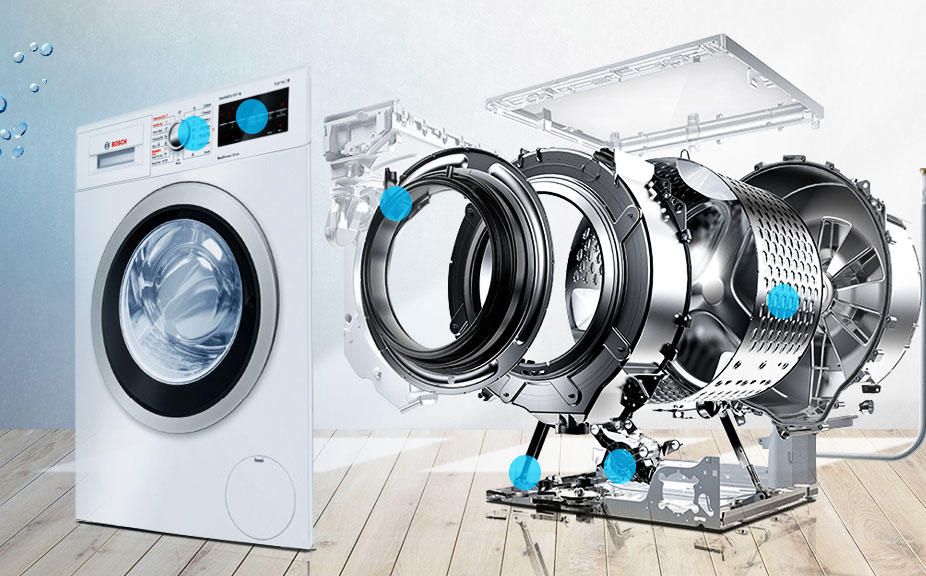

Non-genuine “pattern” parts are legal, often cheaper, and sometimes nearly as good as the original – but quality varies considerably. If a part is advertised as “to fit”, “suitable for”, or “equivalent”, it is not a genuine manufacturer part. For critical components such as carbon brushes and drum bearing seals, genuine parts are strongly recommended.
Not all spare parts sold for washing machines and other appliances are genuine manufacturer parts. Understanding the difference between genuine and non-genuine parts helps avoid wasting money on inferior copies that can fail early or, in some cases, cause further damage.
What Are Non-Genuine Spare Parts?
Non-genuine spare parts – often called “pattern” parts – are made by independent companies rather than the original appliance manufacturer. They are legal products, not counterfeits, and exist because popular parts attract competition. Manufacturers either tolerate this or have limited ability to prevent it.
Pattern parts are invariably cheaper than genuine parts, sometimes significantly so. This makes them attractive to both consumers buying parts directly and to engineers fitting them during repairs.
Are Non-Genuine Parts Always Inferior?
Quality varies considerably. In principle, a company copying a part and selling it cheaper has no commercial incentive to match or exceed the original quality – the goal is to undercut the price. In practice, however, some pattern parts are close to the original in quality, and some are even reputed to be made by the same component suppliers that supply the original manufacturer.
At the same time, many genuine parts from major manufacturers have themselves declined in quality over the years. Some pattern parts are poor copies, particularly carbon brushes. Others are perfectly adequate replacements for less critical components. The picture is genuinely mixed.
If in doubt, buying the genuine part is the only way to be certain of what is being fitted. Where a genuine part is available and the cost difference is not prohibitive, it is the safer choice – particularly for components that are difficult to access or that protect other expensive parts.
How to Tell If a Spare Part Is Genuine
Genuine parts will typically carry the manufacturer’s own branding or logo on the packaging. The part number on a genuine part tends to be a long numeric reference with no obvious meaning – manufacturers do not need to hint at what a part is because they are the manufacturer.
Non-genuine parts often use descriptive part numbers or packaging that signals they are not original. Signs to watch for include:
- Descriptions such as “to fit”, “will suit”, “equivalent”, or “suitable for” on the listing or packaging
- Part numbers beginning with abbreviated descriptions such as Pmp (pump), Cbs (carbon brushes), or similar
- Part numbers beginning with abbreviated brand references such as Hpt or HP (Hotpoint) or WP (Whirlpool) – genuine manufacturers use their own internal numbering and do not need to reference themselves in the part number
Why Are Non-Genuine Parts Commonly Used?
The lower cost makes pattern parts commercially attractive. For engineers carrying out repairs, using cheaper parts increases the profit margin on a job. In some cases the saving is passed on to reduce the repair cost to the customer – though customers should ideally be given a choice between genuine and pattern parts when both are available.
Many genuine parts are considerably overpriced relative to their production cost, which makes pattern alternatives genuinely competitive on value in some cases.
Which Parts Should Always Be Genuine?
For some components the risk of using a pattern part is higher than for others. Parts where non-genuine quality is most likely to cause problems include:
- Carbon brushes – pattern carbon brushes have a poor reputation for quality and can wear out very quickly, or cause motor damage if they fail unexpectedly inside the motor housing.
- Drum bearing seals – a failed bearing seal allows water into the drum bearings, which can write off an otherwise repairable machine. A cheap seal that fails early can turn a straightforward repair into a very expensive one.
For less critical components – such as door handles, knobs, or cosmetic trim – a pattern part may be perfectly acceptable.
Looking for spare parts?
Frequently Asked Questions
Are non-genuine spare parts legal?
Yes. Pattern parts are made by legitimate independent companies and are not counterfeits. Appliance manufacturers either tolerate them or have limited means to prevent them. They are legal to buy, sell, and fit – but quality varies and they are not the same as manufacturer-genuine parts.
How do I know if a spare part is genuine?
Genuine parts carry the manufacturer’s branding and use long numeric part numbers with no obvious meaning. Non-genuine parts often use descriptions such as “to fit”, “suitable for”, or “equivalent”, and may have part numbers with abbreviated references to what the part is (such as Pmp for pump) or abbreviated brand names (such as Hpt for Hotpoint). If in doubt, buy directly from the manufacturer or a supplier that explicitly states parts are genuine.
Which spare parts should always be genuine?
Carbon brushes and drum bearing seals are the two components where using a non-genuine part carries the most risk. Poor quality carbon brushes can wear out rapidly or fail in ways that damage the motor. A failed drum bearing seal can allow water into the bearings, potentially requiring a complete drum replacement. For these components, the cost saving of a pattern part is rarely worth the risk.
Ask the repair forum
Post the make, model and symptoms and get help from the Whitegoods Help community.