
Whites coming out of washing machine looking grey coloureds losing colour
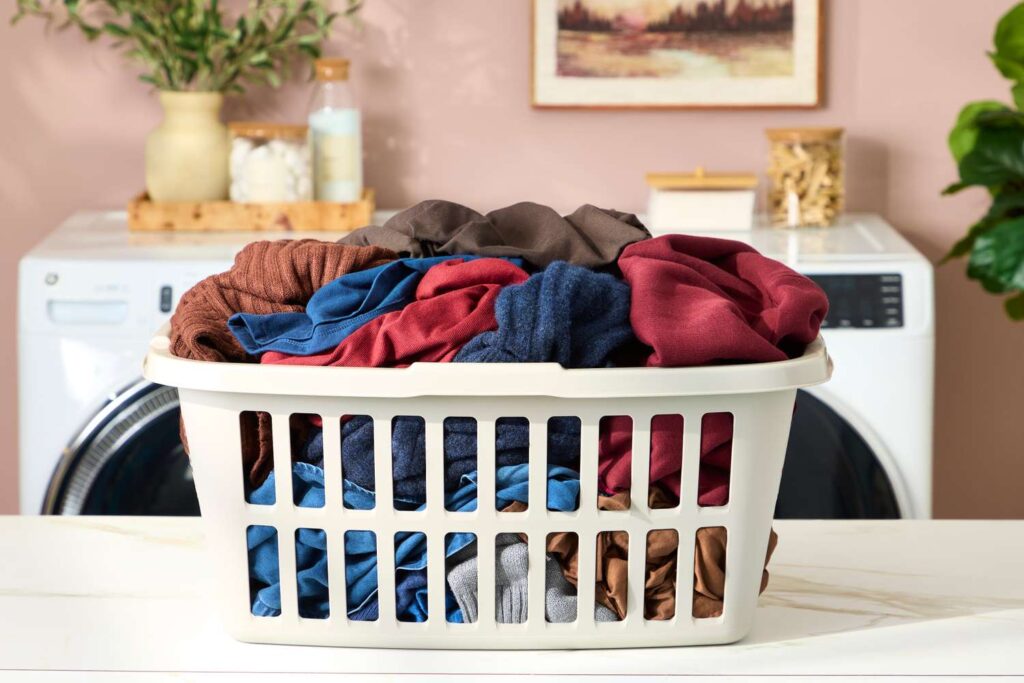

Whites going grey and colours fading prematurely are usually caused by using the wrong type of detergent, using too little detergent, or overloading the machine. Detergents with optical brighteners and bleaching agents keep whites white but fade colours – colour-care detergents protect colours by omitting these agents. Using both types, matched to the load, is the correct approach for consistently good results.
Detergent Type Is the First Thing to Check
Washing machine detergents are not interchangeable. The chemistry that makes a detergent effective for whites actively damages coloured laundry, and vice versa.
 For whites – use a detergent with bleaching agents
Detergents for whites contain optical brighteners and bleaching agents (often oxygen bleach or enzymes) that break down yellowing and restore brightness. If white laundry is coming out grey, this is typically because a non-whites detergent is being used, the detergent dose is too low, or the wash temperature is too low to activate bleaching agents effectively.
 For colours – use a colour-care detergent
Colour-care detergents omit the bleaching agents that whites detergents rely on. They are formulated to protect dyes and prevent fading. Using a standard whites detergent on coloured laundry over time will cause progressive fading – it extracts colour with every wash. A dedicated colour detergent slows this significantly.
The practical implication is that one detergent cannot do both jobs well. Most households should keep both a whites detergent and a colour-care detergent and select based on the load. Many families find it convenient to have a standard wash detergent for mixed colour loads (which performs adequately for neither whites nor colours specifically) and dedicated detergents for white-only and colour-heavy loads.
Why Detergent Dose Matters
Using less detergent than recommended is a common way to reduce costs but it creates problems that ultimately cost more to fix.

Poor cleaning results
An insufficient dose of detergent cannot hold soiling in suspension effectively – some re-deposits onto fabrics during the wash. This shows as a gradual greying of whites and a general dullness to all laundry. It also allows grease and grime to accumulate inside the machine rather than being flushed away. Check the door seal and the drum interior regularly for slime or black mould build-up. See our guide on washing machine smells and internal cleaning.

Limescale damage to the heating element
Washing machine detergents contain water-softening agents that protect the heating element against limescale. Using too little means these protective agents are not present in sufficient concentration. Limescale gradually coats the heating element, reducing its efficiency and eventually causing it to fail – an expensive repair that a correct detergent dose helps prevent. In hard water areas this effect is accelerated. See our guide on limescale in washing machines.
Overloading Makes Everything Worse
An overloaded washing machine cannot agitate laundry effectively – items do not tumble freely through the water and detergent solution. The result is uneven cleaning, poor rinsing (detergent residue remaining in fabric), and reduced effectiveness of whatever detergent is used. If the drum is full to the top with no room for laundry to move, the wash result will be poor regardless of detergent quality. See our guide on how to load a washing machine correctly.
Related Guides
Related Guides
 Washing Not Getting Clean
Diagnosing poor wash results – temperature, programme, detergent, and machine maintenance factors.
 Which Type of Detergent Is Best?
Powder, liquid, and tablet detergents compared – and how each affects wash results and machine hygiene.
 Grease Marks on Clothes After Washing
Why greasy marks or spots appear on laundry after washing and how to identify the cause.
 How to Remove Stains From Clothes
Stain treatment techniques before and during washing for the best chance of complete removal.
Frequently Asked Questions
Why are my white clothes coming out grey?
The most common causes are using a colour-care or combined detergent instead of a dedicated whites detergent, using too little detergent (allowing soiling to re-deposit on fabric), washing at too low a temperature for the bleaching agents to activate, or overloading the machine. Check the detergent type first, then the dose, then the programme temperature. If the problem persists, inspect the drum and door seal for slime or residue build-up that may be re-depositing onto laundry.
Why are my coloured clothes fading in the wash?
Using a detergent with bleaching agents (typically marketed for whites or as “all-purpose”) on coloured laundry will cause progressive fading. Switching to a dedicated colour-care detergent will significantly slow fading. Also check that the water temperature is not higher than the fabric care label recommends – higher temperatures accelerate colour loss in dyed fabrics.
Can I use one detergent for everything?
A combined “all-in-one” detergent is a compromise – it is less effective at keeping whites bright than a whites-specific detergent and less protective of colours than a colour-care product. For households with predominantly coloured laundry and little white, a colour-care detergent works well for everything. For households with a mix, keeping both types and selecting by load gives consistently better results.
Ask the repair forum
Post the make, model and symptoms and get help from the Whitegoods Help community.
13 Comments
Grouped into 11 comment threads.
0 replies Hi, I learn a lot from your blog and you proved my mum is right : stick to washing powder rather than liquid. I would like to know there are some laundry detergent using non ionic surfactant rather aionic / mixture of aionic and non ionic sufuctant. I did a little bit of search on Internet, non ionic sufuctant works better in hard water as it doesn't affected by the minerals inside. I wonder is it worth to buy the non ionic one as it cost much higher than normal laundry detergent? And will it helps the machine last longer?
1 reply please help, my daughters washing is a terrible colour , baby clothes are grey, and the colourdes are so dull, i told her to use the approprate powders ie , whites, coloureds, weve tried everything. could ther be somthing wrong with the way its been plumbed in , the only thing im thinking could dirty water be going into the washer instead of clean water, if so what do i do, thanks
please help, my daughters washing is a terrible colour , baby clothes are grey, and the colourdes are so dull, i told her to use the approprate powders ie , whites, coloureds, weve tried everything. could ther be somthing wrong with the way its been plumbed in , the only thing im thinking could dirty water be going into the washer instead of clean water, if so what do i do, thanks
Likely replying to karen
Hello Karen, everything I know about the subject is in the article above. If mixing whites and coloureds you may get colours leaching into the whites. If she has to mix them because there’s not enough whites to wash separately make sure she tries a good quality colour catcher to prevent the dye from coloured clothes going into the whites. If whites need to stay white try to wash them separately and with detergent containing bleaching agent – definitely not liquid detergent. As my article explains, there are two types of detergent for whites and coloured so ideally you need to use both and wash them separately.
0 replies I put a white wash in washing machine and it came out a peachy colour, one of the one tops has got hole marks from the washing machine. Everything in the wash was white, no colours at all, i used the same soap and detergent as I normally do, it was not over loaded, just the right amount. Why did my washing come out a peachy.rusty colour??
I put a white wash in washing machine and it came out a peachy colour, one of the one tops has got hole marks from the washing machine. Everything in the wash was white, no colours at all, i used the same soap and detergent as I normally do, it was not over loaded, just the right amount. Why did my washing come out a peachy.rusty colour??
0 replies i had the problem w whites turning grey. tried vinegar rit whitener tide washing cleaner. turns out my dryer vent was clogged and carbon lined my dryer. after washing the inside of dryer w window cleaner and dry cloth, cleaning the vent my clothes good as new again :)
i had the problem w whites turning grey. tried vinegar rit whitener tide washing cleaner. turns out my dryer vent was clogged and carbon lined my dryer. after washing the inside of dryer w window cleaner and dry cloth, cleaning the vent my clothes good as new again :)
0 replies we are getting grey spots on our white clothes. We wash in hot water and use clorox bleach.
we are getting grey spots on our white clothes. We wash in hot water and use clorox bleach.
1 reply If I use the "recommended" amount of detergent, it usually creates masses of foam!! The only time I can use the "recommended" amount of detergent is for full loads (when I say "full", I do NOT mean overloading) or when washing visibly dirty washing. Either modern detergents foam too much or the manufacturers of washing detergents are telling us to use more than we should, so we buy more detergent sooner and they make bigger profits? If foaming is a problem for you, follow my tip: use half the recommended dosage and add a heaped tablespoon of soda crystals to the drum before loading (this prevents limescale and grease forming). When washing towels alone - which I recommend as they leave fluff bits behind on other items - foaming is to be expected! Too much foam prevents proper cleaning, so using half of the recommended dose, along with the tablespoonful of soda crystals, actually helps a lot. Until the detergent manufacturers reformulate their products with better anti-foaming agents, my advice is the same: use less than recommended for everything, except for full loads or items that look really dirty. Avoid washing small loads, but if you must, use even less than half the recommended dosage. Has anyone else noticed the excessive foaming of washing detergents?
If I use the “recommended” amount of detergent, it usually creates masses of foam!! The only time I can use the “recommended” amount of detergent is for full loads (when I say “full”, I do NOT mean overloading) or when washing visibly dirty washing.
Either modern detergents foam too much or the manufacturers of washing detergents are telling us to use more than we should, so we buy more detergent sooner and they make bigger profits?
If foaming is a problem for you, follow my tip: use half the recommended dosage and add a heaped tablespoon of soda crystals to the drum before loading (this prevents limescale and grease forming). When washing towels alone – which I recommend as they leave fluff bits behind on other items – foaming is to be expected! Too much foam prevents proper cleaning, so using half of the recommended dose, along with the tablespoonful of soda crystals, actually helps a lot.
Until the detergent manufacturers reformulate their products with better anti-foaming agents, my advice is the same: use less than recommended for everything, except for full loads or items that look really dirty. Avoid washing small loads, but if you must, use even less than half the recommended dosage.
Has anyone else noticed the excessive foaming of washing detergents?
Likely replying to WMUser
Hi WMUser, Yes i have noticed loads of foaming action with modern detergents too and have complained to Ariel and they don’t want to know basically. I have found for some strange reason though that powders and tablets rinse better than liquids. Does anyone know why liquids do not rinse well? WMUser you 100% sure it is ok for washing machines to use soda crystals as some people say you shouldn’t but all they are is bleach type ingredient? Does anyone know if the liqui tab casings used for washing machines and dish washer tablets damage the machines? I know Fairy use them for their dishwasher tablets and Ariel as well. I would like to know that as i used to use them but an engineer told me not to use them becuase apparently they do not completely dissolve.
0 replies Cherrytree07: If a garment is made different types of fabric or a mix of white and colour you may be restricted as to how you can wash it. If the main part is coloured but a false shirt collar or t-shirt is white then if you wash using detergent with bleacng agents it will keep the white bit white but fade the colours. But if you wash it in a colour friendly detergent it will protect the colour but not keep the white bit especially white.
Cherrytree07: If a garment is made different types of fabric or a mix of white and colour you may be restricted as to how you can wash it. If the main part is coloured but a false shirt collar or t-shirt is white then if you wash using detergent with bleacng agents it will keep the white bit white but fade the colours. But if you wash it in a colour friendly detergent it will protect the colour but not keep the white bit especially white.
0 replies My colours & jumpers with sewn in shirt colars are coming out grey!! I have a beco which I purchased in January. This never happened with my old machine. How can I stop this and how can I restore the white colars without ruining my new jumpers?
My colours & jumpers with sewn in shirt colars are coming out grey!! I have a beco which I purchased in January. This never happened with my old machine. How can I stop this and how can I restore the white colars without ruining my new jumpers?
0 replies I started to wash at a lower temperature last year and found i had a nasty smell from my washing and a black mould grew in my seal I cannot get rid of it and now my washing is going grey even with persil and a HOT wash I have tried everything to get rid of it , bleach , calgon , cleaning solutions , soda crystals and repeated boil washes I have given up trying now but feel manufacturers that recommend a lower temperature should be stopped !! It is not environmentally friendly to have grey smelly washing so what now ? a new washing machine ! hopfully delivered soon before people start to talk about me !
I started to wash at a lower temperature last year and found i had a nasty smell from my washing and a black mould grew in my seal I cannot get rid of it and now my washing is going grey even with persil and a HOT wash I have tried everything to get rid of it , bleach , calgon , cleaning solutions , soda crystals and repeated boil washes I have given up trying now but feel manufacturers that recommend a lower temperature should be stopped !!
It is not environmentally friendly to have grey smelly washing so what now ? a new washing machine ! hopfully delivered soon before people start to talk about me !
0 replies Sue: Tide is advertised as "protecting colors" (American spelling). This implies that it doesn't contain bleaching agents as it is those that fade colours. Generally there are two types of detergent, ones with bleaching agents which help keep whites white by bleaching them but fade colours, and detergent without bleaching agents that protect colours but don't keep whites quite as white and don't kill bacteria and black mould or get rid of grease well at low temperatures. I suggest using a detergent without bleaching agents for colours and one with bleaching agents for whites and the monthly maintenance hot wash.
Sue: Tide is advertised as “protecting colors” (American spelling). This implies that it doesn’t contain bleaching agents as it is those that fade colours.
Generally there are two types of detergent, ones with bleaching agents which help keep whites white by bleaching them but fade colours, and detergent without bleaching agents that protect colours but don’t keep whites quite as white and don’t kill bacteria and black mould or get rid of grease well at low temperatures.
I suggest using a detergent without bleaching agents for colours and one with bleaching agents for whites and the monthly maintenance hot wash.
Leave a comment
0 replies I purchased an expensive Whirlpool Duet, and am using HE liquid tide, I do have hard water and may not be using enough, in my old machine I USED TIDE WITH BLEACH IN HOT WATER AND ALL WAS CLEAN, now, not so clean, and my towels come out stiff and hard.. I wonder, am I missing the agitator? or my powdered tide or is my dryer tooooooo hot? Gosh..give me back my old old machines and Tide.
I purchased an expensive Whirlpool Duet, and am using HE liquid tide, I do have hard water and may not be using enough, in my old machine I USED TIDE WITH BLEACH IN HOT WATER AND ALL WAS CLEAN, now, not so clean, and my towels come out stiff and hard.. I wonder, am I missing the agitator? or my powdered tide or is my dryer tooooooo hot? Gosh..give me back my old old machines and Tide.
Hi, I learn a lot from your blog and you proved my mum is right : stick to washing powder rather than liquid. I would like to know there are some laundry detergent using non ionic surfactant rather aionic / mixture of aionic and non ionic sufuctant. I did a little bit of search on Internet, non ionic sufuctant works better in hard water as it doesn’t affected by the minerals inside. I wonder is it worth to buy the non ionic one as it cost much higher than normal laundry detergent? And will it helps the machine last longer?