
Buying Appliances Online in the UK: A Guide to the Different Types of Retailer
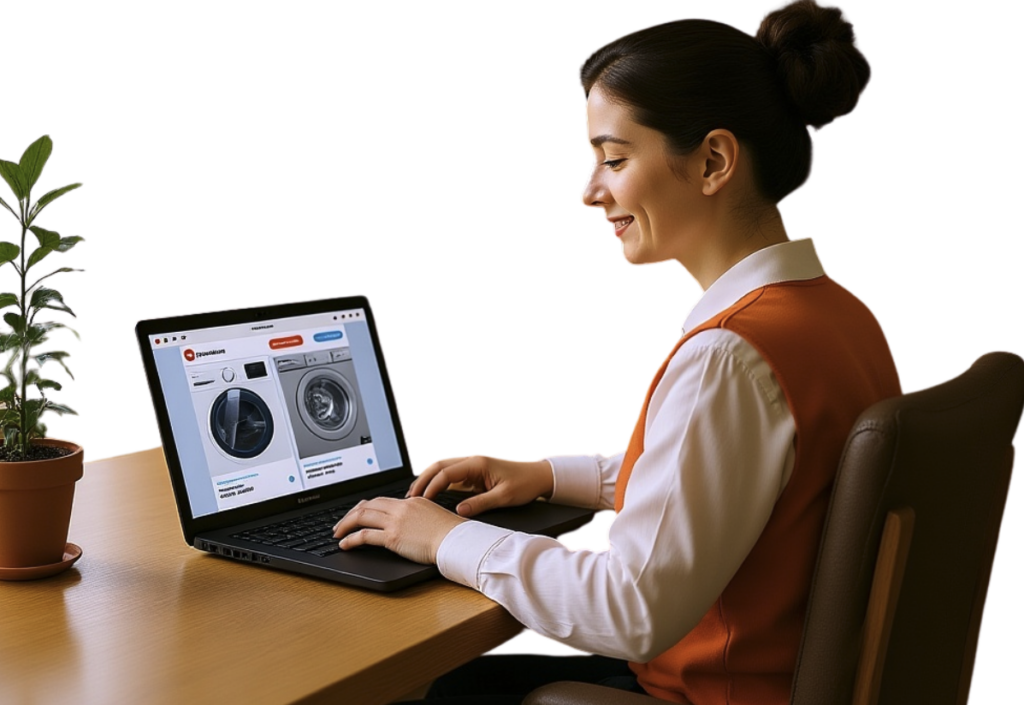

Online appliance retailers in the UK fall into several distinct categories: established high street chains with online stores, pure online specialists, general online marketplaces, manufacturer direct websites, drop-ship retailers, and general retailers that include appliances among many other categories. Each type has different strengths, weaknesses, and implications for delivery, after-sales service, and your consumer rights. The cheapest price is not always from the safest or most practical source.
There are now hundreds of websites selling washing machines, tumble dryers, dishwashers, and other white goods in the UK. They are not all the same. The type of retailer you buy from affects the price you pay, the service you receive, how your appliance is delivered, and crucially, what happens if something goes wrong. This guide explains the main categories of online appliance retailer and what to consider before buying from each.
How Online Appliance Retail Has Changed
In 2013, buying an appliance online was a relatively straightforward choice between a handful of well-known high street names and a smaller number of online-only retailers. Today the landscape is considerably more complex.
There are now hundreds of websites selling white goods in the UK, ranging from the largest retailers in the country to small operations with no physical presence and limited after-sales capability. Price comparison tools make it easy to find the cheapest listing for a specific model. However, comparing prices across different types of retailer without understanding what those differences mean can lead to real problems at the point of delivery or when something goes wrong.
Understanding who you are actually buying from, and what that means for your rights and your experience, is as important as finding the right model at the right price.
The Main Types of Online Appliance Retailer
1. Established High Street Retailers With Online Stores
These are the largest and most recognisable names in UK appliance retail, all of whom now operate substantial online operations alongside their physical stores. Examples include Currys, John Lewis, and Argos.
 Strengths
Physical stores to visit for advice and to see models in person. Established returns and complaints processes. Strong consumer rights enforcement in practice. Own or contracted delivery teams experienced with large appliances. Regulated finance options and price matching on many models.
 Weaknesses
Not always the cheapest. Higher overheads mean prices can be above online-only competitors on some models. Delivery slots can be less flexible than pure online specialists in some areas.
For most buyers, particularly those who have not bought a specific model before, starting with an established high street retailer is the safest choice even if the price is marginally higher. The after-sales infrastructure is tested and well understood.
2. Pure Online Appliance Specialists
These are retailers with no physical stores whose entire operation is online. The most prominent example in the UK is AO.com, which operates its own delivery fleet, offers next-day and specific-time delivery slots, and has built a strong reputation for service. Other examples include Appliances Direct and Marks Electrical.
Strengths
Lower overheads typically mean more competitive prices. Specialist focus means dedicated delivery teams experienced with large appliances. Often better delivery flexibility than high street chains. Strong customer service ratings among the best-established operators.
Weaknesses
No physical store to visit. Quality varies enormously between operators. Smaller or less well-known online-only retailers may have limited after-sales capability. Always check independently verified customer reviews before buying from any operator you have not used before.
3. Online Marketplaces and Third-Party Sellers
This is the category that causes most confusion and the most problems. Amazon, eBay, and similar marketplaces allow third-party sellers to list appliances alongside products sold directly by the platform. On Amazon, a washing machine listing may be fulfilled by Amazon itself, fulfilled by Amazon on behalf of a third-party seller, or listed and shipped entirely by a third-party seller with no Amazon involvement beyond the platform.

When buying from a third-party seller on a marketplace, your contract is with that seller, not with the platform. If the seller is a small operation or based outside the UK, enforcing your consumer rights can be significantly more difficult than with a direct retailer. Always check who you are actually buying from before completing a marketplace purchase.
Strengths
Can find competitive prices. Familiar checkout process. Amazon’s A-to-Z guarantee provides some protection on qualifying purchases. Useful for comparing prices across multiple sellers in one place.
Weaknesses
The seller behind the listing may be a small operation with limited after-sales support. Large appliance delivery by marketplace sellers is often handled by couriers not experienced with white goods. Returns of large appliances can be logistically complicated. Consumer rights enforcement against overseas sellers is practically very difficult.
4. Manufacturer Direct Websites
Most major appliance manufacturers now operate their own direct sales websites in the UK. Bosch, Samsung, LG, Hotpoint, and Miele all sell direct to consumers online. Buying direct from the manufacturer has some specific implications worth understanding.
Strengths
Full range of models including those not stocked by retailers. Direct relationship with the brand. Sometimes better warranty terms or extended support. Access to manufacturer-trained delivery and installation teams.
Weaknesses
Rarely the cheapest option. Your consumer rights contract is with the manufacturer acting as retailer, which can create confusion when faults arise since the manufacturer is both retailer and service provider. Limited to one brand.
5. Drop-Ship Retailers
This is an important category that is often not obvious to buyers. A drop-ship retailer takes your order and payment, then arranges for the manufacturer or distributor to deliver the appliance directly to you. The retailer never physically handles the product. The website may look indistinguishable from any other online retailer, and the price may be attractive.

Even when a manufacturer delivers an appliance to you, your legal contract is with the retailer you bought it from, not the manufacturer. If the appliance is faulty and you want to reject it or get a refund, you must deal with the retailer. However, drop-ship retailers often have no physical stock, no returns warehouse, and limited staff to handle disputes. In practice this can make exercising your rights very difficult, even though they exist in law. Read our full guide: Consumer Rights Act and faulty appliances.
To identify whether a retailer drop-ships, check their terms and conditions. Look for references to delivery by the manufacturer, or to delivery times being subject to manufacturer availability. These are indicators that the retailer does not hold stock.
6. General Retailers That Sell Appliances
Retailers primarily known for other categories now routinely sell white goods. Very, Wayfair, and others all list appliances online. These retailers typically use drop-shipping or third-party fulfilment rather than holding stock themselves. Delivery is often contracted to a third-party courier rather than a specialist appliance delivery team, and after-sales support may be limited to a generic customer service operation not trained in appliance-specific issues.
7. Price Comparison and Aggregator Sites
Sites such as PriceRunner, Google Shopping, and PriceSpy do not sell appliances themselves. They aggregate listings from multiple retailers and allow price comparison across them. These are useful tools for identifying the market price for a specific model. However, they do not distinguish between retailer types. The cheapest result may be from a drop-ship retailer, a marketplace third-party seller, or an operator with a poor service record. Use comparison tools to find the market price, then buy from a reputable retailer rather than automatically choosing the cheapest listing.
What to Check Before Buying From Any Online Retailer
-
Check who you are actually buying from. On marketplaces, look carefully at the seller name. On any website, check the company name in the terms and conditions and verify it on Companies House to confirm they are a registered UK business. A retailer without a verifiable UK company registration is a significant risk for a large purchase.
-
Check whether they hold stock or drop-ship. Read the delivery section of the terms and conditions. References to manufacturer delivery or delivery times subject to manufacturer availability are indicators that the retailer does not hold stock. Factor this in when considering what happens if something goes wrong.
-
Check independently verified reviews. Trustpilot and Google Reviews provide customer feedback on retailers. Look specifically at reviews mentioning delivery problems or after-sales issues, not just the overall score. A retailer with a high overall score but a pattern of delivery complaints is a warning sign for a large appliance purchase.
-
Check the delivery terms carefully. Find out whether delivery is to the doorstep, to the room of your choice, or with connection included. Find out what happens if the appliance arrives damaged. Check whether old appliance removal is included or costs extra.
-
Check the returns and rejection process. If the appliance arrives damaged or faulty, what is the process? Does the retailer have the infrastructure to collect and replace a large appliance quickly? How long does the process take?
-
Check whether the price includes everything. Some retailers advertise a headline price and add delivery charges, connection charges, or old appliance disposal charges at checkout. Always check the total delivered cost before comparing prices across retailers.
What to Look For in a Good Online Appliance Retailer

Specialist appliance delivery
The best online appliance retailers use their own delivery teams or specialist two-person appliance delivery services, not standard parcel couriers. This matters for safe handling of large machines and for being able to connect and position the appliance correctly.

Clear returns process
A reputable retailer should be able to tell you exactly how to return or reject a faulty or damaged appliance, and should have the infrastructure to collect it. If the returns process is vague or relies entirely on the manufacturer, that is a warning sign.

Verifiable UK company registration
Any legitimate online retailer should have a UK company registration number. Check it against the Companies House register before completing a large purchase from a retailer you have not used before.

Transparent total pricing
The best retailers show the full delivered price from the start, including any connection, removal, or delivery surcharge. Add everything to the basket and reach the final checkout page before comparing prices across retailers.
Independently verified reviews
Look for recent, independently verified reviews on Trustpilot or Google Reviews. Pay particular attention to patterns in delivery and after-sales feedback rather than just the overall score, since these reflect the experience most relevant to a large appliance purchase.

Accessible customer service
A retailer that provides a phone number and a UK postal address is a better choice for a large purchase than one where the only contact method is an online form. If something goes wrong with a washing machine delivery, you want to be able to speak to someone.
Your Consumer Rights When Buying Appliances Online
Regardless of which type of retailer you buy from, your fundamental consumer rights under the Consumer Rights Act 2015 apply to all online purchases from UK-based businesses. These rights include the right to a full refund if the appliance is faulty within 30 days, the right to repair or replacement within the first six months, and the right to a price reduction if repeated repair or replacement attempts fail.
However, rights existing in law and rights being practically enforceable are two different things. A retailer with no physical presence, limited staff, and no returns infrastructure can make exercising those rights slow and frustrating even when you are legally entitled to a quick resolution. Choosing a retailer with the operational capability to honour your rights is as important as the headline price.
 Consumer Rights Act and faulty appliances
Your full rights when a newly purchased appliance develops a fault, including the 30-day rejection right, repair and replacement rights, and what to do if the retailer refuses.
 Consumer rights hub
All Whitegoods Help consumer rights guides in one place, covering new appliances, repairs, warranties, and disputes.
 Out of guarantee but still covered?
Why your rights under the Consumer Rights Act extend well beyond the manufacturer’s guarantee period, and how to use them.
 Which washing machine should I buy?
Independent buying guidance covering reliability, energy efficiency, and what actually matters when choosing a washing machine.
Quick Reference: Retailer Types at a Glance
| Retailer type | Typical price | Delivery quality | After-sales support | Rights enforcement |
|---|---|---|---|---|
| High street chains online Currys, John Lewis, Argos |
Mid to high | Good, experienced teams | Strong, established processes | Straightforward |
| Online specialists AO, Appliances Direct, Marks Electrical |
Competitive | Often excellent, own fleets | Good at major operators | Generally straightforward |
| Marketplace third parties Amazon, eBay sellers |
Variable | Variable, often courier only | Variable, often limited | Can be difficult |
| Manufacturer direct Bosch, Samsung, Miele sites |
Rarely cheapest | Usually good | Brand-specific, trained teams | Generally straightforward |
| Drop-ship retailers Various, check T&Cs |
Often cheap | Manufacturer or courier | Often limited | Can be very difficult |
| General retailers Very, Wayfair |
Variable | Often third-party courier | Generic, not specialist | Variable |
Need help choosing or repairing an appliance?
Whether you are buying new or dealing with a fault on an existing machine, Whitegoods Help has independent guides to help you make the right decision.
Frequently Asked Questions
Is it safe to buy a washing machine online?
Yes, provided you buy from a reputable retailer with a verifiable UK presence. The risks are not with buying online as such, but with buying from drop-ship retailers, marketplace third-party sellers, or operations without the infrastructure to handle delivery problems or faulty appliances properly. Established high street chains and well-reviewed online specialists are as safe as buying in a physical store, and often more convenient.
What is a drop-ship appliance retailer?
A drop-ship retailer takes your order and payment, then arranges for the manufacturer or distributor to deliver directly to you. The retailer never holds stock. Your legal contract is still with the retailer, not the manufacturer, but if the retailer has limited staff and no returns infrastructure, exercising your rights in practice can be very difficult. Check the terms and conditions for references to manufacturer delivery before buying.
Who is my contract with when I buy from Amazon?
It depends on who is selling the product. If Amazon itself is the seller, your contract is with Amazon. If a third-party seller is listed, your contract is with that seller, even if Amazon handles fulfilment. Check the seller name carefully before completing a marketplace purchase. For large appliances, buying from a specialist retailer rather than a marketplace third party provides much clearer consumer rights enforcement.
Does the cheapest online price always mean the best deal?
Not for large appliances. The cheapest listing may be from a drop-ship retailer with limited after-sales capability, a marketplace third-party seller with no appliance delivery experience, or a retailer that adds delivery and disposal charges at checkout. Always check the total delivered price including any extras, and weigh the service level against the price difference before choosing the cheapest option.
What are my rights if an appliance bought online arrives faulty?
Under the Consumer Rights Act 2015, you have the right to reject a faulty appliance and receive a full refund within 30 days of purchase. After 30 days and within six months, the retailer must repair or replace it. After six months and up to six years, you still have rights but the burden of proof shifts. These rights apply to all UK-registered retailers. Read our full guide: Consumer Rights Act and faulty appliances.
How do I check whether an online retailer is legitimate?
Look for a UK company registration number in the website footer or terms and conditions, and verify it at Companies House (companieshouse.gov.uk). Check independently verified reviews on Trustpilot or Google Reviews, specifically looking for patterns in delivery and after-sales complaints. Confirm that a UK contact address and phone number are provided. Be cautious of any retailer where the only contact method is an online form or email address.
Ask the repair forum
Post the make, model and symptoms and get help from the Whitegoods Help community.
1 Comment
Grouped into 1 comment thread.
Thank you very much for the above information this was very useful since this is my first time – thinking about buying products online – yes it is a mine field I have purchased products from John Lewis in the past and I do enjoy shopping in their department stores and I love the customer service they have.