
Getting mild electric shocks from washing machine or other appliances


Mild tingles or shocks from a washing machine almost always indicate a broken or missing earth connection. This is a serious safety issue. The earth connection may be broken in the plug, the mains cable, an extension lead, or the wall socket. The machine must be disconnected and inspected by a qualified engineer before use.

If you receive any kind of electric shock or tingle from a washing machine or any other appliance – however mild – disconnect it from the mains immediately and do not use it again until an engineer has inspected it. A mild tingle can become a lethal full mains voltage shock at any time without warning.
This article covers the mild tingles and low-level shocks that can occur when touching a washing machine – not full electric shocks. Both require the same immediate response: disconnect the appliance. The difference is that a mild tingle is easier to dismiss, and that dismissal can be fatal.
Why Does an Unearthed Appliance Cause Shocks?
All large appliances must be connected to earth for safety. The earth wire runs through the mains cable, the plug, and the wall socket back to the consumer unit. If this connection is broken at any point – in the machine, the cable, the plug, or the socket – you can experience mild shocks when touching the appliance.
The shocks are typically mild at first because they are caused by small amounts of electricity leaking across to the broken earth connection and running through the metal casing. This low-level effect is actually a useful warning signal – without it, the broken earth would be invisible until conditions change and a full mains voltage shock occurs instead.
When a washing machine is not properly earthed, a component failure or loose live wire inside the machine can put the full mains voltage onto the metal casing. Without a path to earth, the fuse cannot blow and the machine continues to operate normally – while the entire casing is at mains voltage. Contact with a grounded surface at that point would be fatal.
Where to Look: Possible Causes of a Broken Earth
The Plug
The first thing a qualified engineer will check is whether the green and yellow earth wire inside the plug is correctly connected and secure. On appliances with a moulded plug that cannot be opened, the engineer will instead test continuity between the earth pin on the plug and a suitable bare metal point on the machine – such as the door hinge. If continuity is poor or absent despite the earth connection inside the machine being correct, the plug or the cable near the plug is likely at fault. The cable end is a common break point and the first section to cut and replace.
For guidance on wiring a replacement plug correctly, see our guide on how to wire a washing machine plug.
The Mains Cable
The earth wire inside the mains cable can develop an internal break that is invisible from the outside. This is diagnosed by testing continuity from the earth pin of the plug to a metal point on the machine. An open circuit or high resistance reading when the earth inside the machine is confirmed correct means the cable needs replacing.
Extension Leads
If the appliance is connected via an extension lead, the earth fault could be anywhere along the extension. Check the extension’s earth connections and test continuity throughout it. Ideally, a large appliance such as a washing machine should not be run on an extension lead at all – they are not ideal for high-current appliances. If an extension is unavoidable, it must be a properly earthed, appropriately rated lead. An appliance running on a two-core extension cable with no earth wire is an immediate safety hazard. See our guide on extension leads and white goods appliances.
The Wall Socket
The earth wire inside the wall socket may be disconnected, or the earth contacts inside the socket may be worn or spread too far apart to grip the plug’s earth pin reliably. Do not attempt to open or investigate a wall socket yourself. If a faulty wall socket is suspected, contact a qualified electrician – not an appliance engineer. This is electrical installation work and requires the appropriate competency.
How to Distinguish a Tingle From Static Electricity
A single sharp shock when first touching the machine – often accompanied by a faint cracking sound – that does not repeat when you touch the machine again is likely to be a static electricity discharge from your body. This is a completely different phenomenon and is not a safety concern.
The pattern that indicates an earth fault is a consistent tingle or mild shock each time the machine is touched, which does not go away on repeated contact. If in any doubt, treat it as an earth fault and disconnect the machine.
Get the Machine Inspected Before Using It Again
An earth fault on any appliance must be confirmed resolved by a qualified engineer before the machine is put back into use.
Related Guides
 How to Wire a Washing Machine Plug
Step-by-step guide to wiring a replacement 13A plug correctly, including the earth wire connection.
 Extension Leads and White Goods Appliances
Why extension leads are not ideal for large appliances and what to check if one must be used.
 Washing Machine Fusing the Electrics
What to check if a washing machine is tripping the circuit breaker or blowing fuses.
 Hotpoint Washing Machine Electric Shock Risk
Official safety notice for specific Hotpoint models identified as carrying an electric shock risk.
Frequently Asked Questions
Why am I getting a tingle or mild shock from my washing machine?
A consistent tingle when touching the machine almost always indicates a broken or missing earth connection. The earth wire may be disconnected or broken inside the plug, the mains cable, an extension lead, or the wall socket. The machine must be disconnected immediately and inspected by a qualified engineer before it is used again.
Is a mild tingle from a washing machine dangerous?
Yes. A mild tingle indicates the machine’s earth connection is broken. When the earth is missing, a component failure or loose live wire inside the machine can put the full mains voltage onto the metal casing. Without an earth path, the fuse cannot blow, and the machine will continue running while its casing is at lethal voltage. Do not use the machine until the earth fault has been identified and repaired.
Could the shock be from a faulty wall socket rather than the machine?
Yes. The earth contact inside the wall socket may be disconnected or worn. Do not attempt to open the socket yourself – contact a qualified electrician. Testing continuity from the earth pin of the plug to the machine casing will confirm whether the fault is in the machine or the supply.
How can I tell the difference between a tingle and static electricity?
Static electricity typically produces a single sharp shock when first touching the machine, often with a faint cracking sound, that does not repeat when you touch it again. An earth fault produces a consistent tingle every time the machine is touched. If in any doubt, treat it as an earth fault and disconnect the machine.
Can I keep using the machine if the tingle is very mild?
No. The machine must be disconnected and not used until the fault is found and repaired. The severity of the tingle is not an indicator of how dangerous the situation is – a very mild tingle can still indicate a completely absent earth, and the next contact with the machine could be at full mains voltage. There is no safe level of earth fault on a mains-connected appliance.
107 Comments
Grouped into 65 comment threads.
2 replies I get numbness and tingling when my washing machine is in use. I am not touching the machine. I am across the room from it. The tingling goes away when the cycle is finished and the machine tops. What causes this?
0 replies Very very helpful, in our case it was an extension causing it
Very very helpful, in our case it was an extension causing it
2 replies Hi I'm Luke.... I found a electric cooker on Facebook marketplace and my parents was after one so I sent the details over and brought it... anyway my dad plugged it into the wall and received a electric shock off the cooker head... can this be fixed or is it not worth the £50 he paid for it?
Hi I’m Luke…. I found a electric cooker on Facebook marketplace and my parents was after one so I sent the details over and brought it… anyway my dad plugged it into the wall and received a electric shock off the cooker head… can this be fixed or is it not worth the £50 he paid for it?
1 reply Hello, I recently moved into a new flat. I received some mild tingling from the washing machine then a shock that went down my arm. I called the letting agent and he sent someone to look at the machine. It turns out that the landlord had plugged the machine, which uses a 2 pin European plug directly into the socket so the machine wasn’t earthed. I was wearing rubber flip flops. I’m just wondering if the shock I received would have been a full mains 230V shock or just a fraction of that? How about the current? I’m just concerned as I’m pregnant. Thanks Sarah
Hello, I recently moved into a new flat. I received some mild tingling from the washing machine then a shock that went down my arm. I called the letting agent and he sent someone to look at the machine. It turns out that the landlord had plugged the machine, which uses a 2 pin European plug directly into the socket so the machine wasn’t earthed. I was wearing rubber flip flops. I’m just wondering if the shock I received would have been a full mains 230V shock or just a fraction of that? How about the current? I’m just concerned as I’m pregnant. Thanks Sarah
Wow. That’s crazy Sarah. It should be impossible to plug a 2 pin plug into a UK 3 pin socket. They are designed so that if there isn’t an earth pin, you can’t plug anything in. There is an automatic child safety feature built into them all, which blocks entry to the live and neutral openings.
In order to plug something into a UK 3 pin wall socket, the earth pin, which you can see is longer than the other 2 pins, has to go in first. The earth pin then pushes down on a spring-loaded device that covers the live and neutral pins, and pushes it down to open up the live and neutral holes. The live and neutral pins can then push into the socket.
The only way to get a 2 pin plug in, would be to push something inside the earth socket and press it down to move the shield from the live and neutral openings.
If not earthed, as my article describes, you can get “mild” electric shocks, although it might make you jump and you certainly know about it. A washing machine with a plug that has no earth pin is potentially lethal.
I don’t even know how you can get a washing machine in the UK with a non-UK plug fitted. The washing machine must have been made for a European or American market. The 2 pronged plug fitted will have been earthed, but the earth would only work when plugged into a wall socket designed for it, which is not UK.
If you had received a full electrical shock (the washing machine would also need to have a low insulation fault on it) it should have been very nasty. If the washing machine has subsequently been fitted with a proper UK plug, and has not blown the fuse then it probably doesn’t have a low insulation fault on it.
2 replies Hi, I have been getting small shocks from my washing machine but also on the metal draining board. Tonight I took out some washing and as I was trying to get it out, I had shock going from one arm to the other. I don't know what to do and am worried to use this now. Please help me. Thank you, Anna
Hi,
I have been getting small shocks from my washing machine but also on the metal draining board.
Tonight I took out some washing and as I was trying to get it out, I had shock going from one arm to the other.
I don’t know what to do and am worried to use this now.
Please help me.
Thank you,
Anna
Hello Anna. You have to unplug the washing machine and stop using it immediately! Basically, read my article and everything is explained in there, including the fact that you should stop using any appliance immediately – even if you get mild shocks from it because it means it is not earthed. If it is not earthed, but everything is okay you will receive mild shocks, but if it is not earthed and something goes wrong with one of the parts inside causing a breakdown in installation, or maybe a wire comes off and touches the casing, then you could be killed!
The fault could be in the wall socket, or the appliance’s plug, in an extension cable if used, or in the washing machine itself, although it is best not to use an extension cable if you can avoid it. If it is in the wall socket you need an electrician, but if it is not the wall socket then you need an appliance repair person.
0 replies Hello V.R Rajendran. I'm not sure what you mean by when the earth wire is removed. I presume you mean when it is faulty rather than if someone has deliberately removed it. The earth wire is there to pass any electrical current that gets through to exposed parts that a customer can touch safely down to earth. This in turn causes a massive rush of electricity because there is very little resistance and it immediately blows the fuse - making the appliance safe. If there were no fuses then the earth wire would not help at all because the electricity would continuously run through the casing of the washing machine. In fact it would probably cause a fire as the smaller wires inside the washing machine overheat. When there is no earth for a washing machine then as my article above describes, a strange phenomenon causes some electricity to migrate from the live wire into the earth wire that is not connected anywhere. By not connected anywhere I mean not connected to earth, it is of course connected to all of the metal parts on the washing machine and this is why the metal parts become "live" although it is not full mains voltage. It can however cause electrical tingling and will register on any test equipment. At this particular stage this is a warning. It means that if any wire comes off and touches the casing, or any part such as the heating element or the motor becomes faulty and passes electricity through to its own casing then the relatively small voltage that causes tingling would become full mains voltage -and therefore lethal.
Hello V.R Rajendran. I’m not sure what you mean by when the earth wire is removed. I presume you mean when it is faulty rather than if someone has deliberately removed it. The earth wire is there to pass any electrical current that gets through to exposed parts that a customer can touch safely down to earth. This in turn causes a massive rush of electricity because there is very little resistance and it immediately blows the fuse – making the appliance safe.
If there were no fuses then the earth wire would not help at all because the electricity would continuously run through the casing of the washing machine. In fact it would probably cause a fire as the smaller wires inside the washing machine overheat. When there is no earth for a washing machine then as my article above describes, a strange phenomenon causes some electricity to migrate from the live wire into the earth wire that is not connected anywhere. By not connected anywhere I mean not connected to earth, it is of course connected to all of the metal parts on the washing machine and this is why the metal parts become “live” although it is not full mains voltage.
It can however cause electrical tingling and will register on any test equipment. At this particular stage this is a warning. It means that if any wire comes off and touches the casing, or any part such as the heating element or the motor becomes faulty and passes electricity through to its own casing then the relatively small voltage that causes tingling would become full mains voltage -and therefore lethal.
0 replies My washing machine drum is live when the earth wire is removed. I am of the view that there is Internal resistance problem in the machine. Is the machine healthy. I am of the view that the earthing is mainly for passage of the faulty current.in the machine parts.
My washing machine drum is live when the earth wire is removed. I am of the view that there is Internal resistance problem in the machine. Is the machine healthy. I am of the view that the earthing is mainly for passage of the faulty current.in the machine parts.
2 replies Hi Repaired a leak on washing machine (removed front panel to do so) When reinstalling I was getting a tingle from the metal casing. Not had this previously. I removed the plug from the wall and noticed there was a small blob of dried paint on the plug prong tips. Cleaned this off. When I checked the earth from the moulded plug prong to the machine casing and earth spade bit I get the same reading as with the multimeter probes touching. The tingling isn't present now either. How would I best proceed? Could be an intermittent fault with the earth cable? I tried jiggling the cable around a little to recreate the fault but couldn't. I'm wary to plug the machine back in and use it in case the fault returns. What would you do in my position Andy?
Hi
Repaired a leak on washing machine (removed front panel to do so)
When reinstalling I was getting a tingle from the metal casing. Not had this previously.
I removed the plug from the wall and noticed there was a small blob of dried paint on the plug prong tips.
Cleaned this off. When I checked the earth from the moulded plug prong to the machine casing and earth spade bit I get the same reading as with the multimeter probes touching.
The tingling isn’t present now either. How would I best proceed? Could be an intermittent fault with the earth cable? I tried jiggling the cable around a little to recreate the fault but couldn’t. I’m wary to plug the machine back in and use it in case the fault returns. What would you do in my position Andy?
Likely replying to James
Hello James. If there was a blob of paint on the earth prong it may have prevented good contact. If the machine is earthed (as tested by your multimeter) then any earthing fault causing electrical tingling should be at the wall socket. To be 100% sure, when testing earth continuity on the washing machine, connect one wire of the continuity tester to the earth pin and one to the bare metal on a washing machine. A good point can be found usually on the back of the washing machine, maybe one of the screws in the back panel. Then when testing for continuity, waggle the cable about, especially where it goes into the plug and where it enters the washing machine just in case there are any broken wires inside the cable causing poor (and often intermittent) connections. It’s quite rare on a washing machine though because the mains cable isn’t usually subject too much stress and strain.
If you are confident the issue was caused by the paint you should be OK. Essentially, if you are not getting any tingling when touching the exposed metal parts on the washing machine when it is plugged in and switched on then it should have a good earth connection. If in doubt try another wall socket or get a wall socket tester (Martindale do good ones).
1 reply Hi I just put the washing into the drum and felt a tingling like static electric. Felt like pins and needles. The same happened when I put the tab in. I wasn’t actually touching the drum but obviously the washing was. Any ideas? Thanks
Hi I just put the washing into the drum and felt a tingling like static electric. Felt like pins and needles. The same happened when I put the tab in. I wasn’t actually touching the drum but obviously the washing was. Any ideas? Thanks
1 reply Hi. How do I actually use a multi meter to test a dishwasher that is giving an electric shock when touching the metal door. I have a basic meter. What settings do I put it on & where do I place the prongs?
Hi. How do I actually use a multi meter to test a dishwasher that is giving an electric shock when touching the metal door. I have a basic meter. What settings do I put it on & where do I place the prongs?
Likely replying to Monica McKinnell
Hello Monica. You need to test continuity between the metal part of the door (usually the hinge) and the earth pin on the plug. Set it to continuity testing so that when you touch the two connectors together the meter moves all the way over to the other side. Then touch one connector to the metal hinge on the door and the other to the earth pin on the plug. The meter’s needle should do exactly the same. This shows there is continuity between the two places and the earth should be OK. If this is the case the suspicion moves to a lack of earth in the wall socket.
Try a totally different wall socket, make sure the washing machine isn’t connected to an extension cable. If it is the extension cable could be at fault instead of the wall socket.
Leave a comment
0 replies Moulded plug on my washing machine had no earth, so had tingling feeling on finger from sink and water. very dangerous.!!!!!! most machines are made in china and have very thin low quality wiring that fracture in the lead itself. i see this alot on heaters, kettles etc.
Moulded plug on my washing machine had no earth, so had tingling feeling on finger from sink and water.
very dangerous.!!!!!!
most machines are made in china and have very thin low quality wiring that fracture in the lead itself.
i see this alot on heaters, kettles etc.
0 replies Thank you for your help Andy. The socket installed was installed without an actual earth wire, so basically just two wires was there. That's why the applience was giving shocks. Sorted out fantastic now by myself. Thank You
Thank you for your help Andy. The socket installed was installed without an actual earth wire, so basically just two wires was there. That’s why the applience was giving shocks. Sorted out fantastic now by myself. Thank You
1 reply I would say it's very unlikely that the earth fault is with a new appliance, and much more likely to be an installation or electricity supply issue. I don't know about the whistling sound though. I don't really deal with cooker hoods.
I would say it’s very unlikely that the earth fault is with a new appliance, and much more likely to be an installation or electricity supply issue. I don’t know about the whistling sound though. I don’t really deal with cooker hoods.
1 reply Spoken with manufacturer today and they said it might be some problems with my socket and not with their hood. Also one more thing. When i start the hood everything works ok, but i can hear a whisle sound coming out from there also, not just a motor spinning. Is that ok? Seems really strange
Spoken with manufacturer today and they said it might be some problems with my socket and not with their hood.
Also one more thing. When i start the hood everything works ok, but i can hear a whisle sound coming out from there also, not just a motor spinning. Is that ok? Seems really strange
Likely replying to John Maidstone
Hello John. Yes the only way you can get a shock is if the earth is not connected somewhere on the appliance or the electricity supply it’s connected to. If it was, the fuse should trip. Be sure to fix it asap as if there is no earth you get the small electric shock as described in my article, but if a proper electrical fault developed that would change to lethal mains voltage.
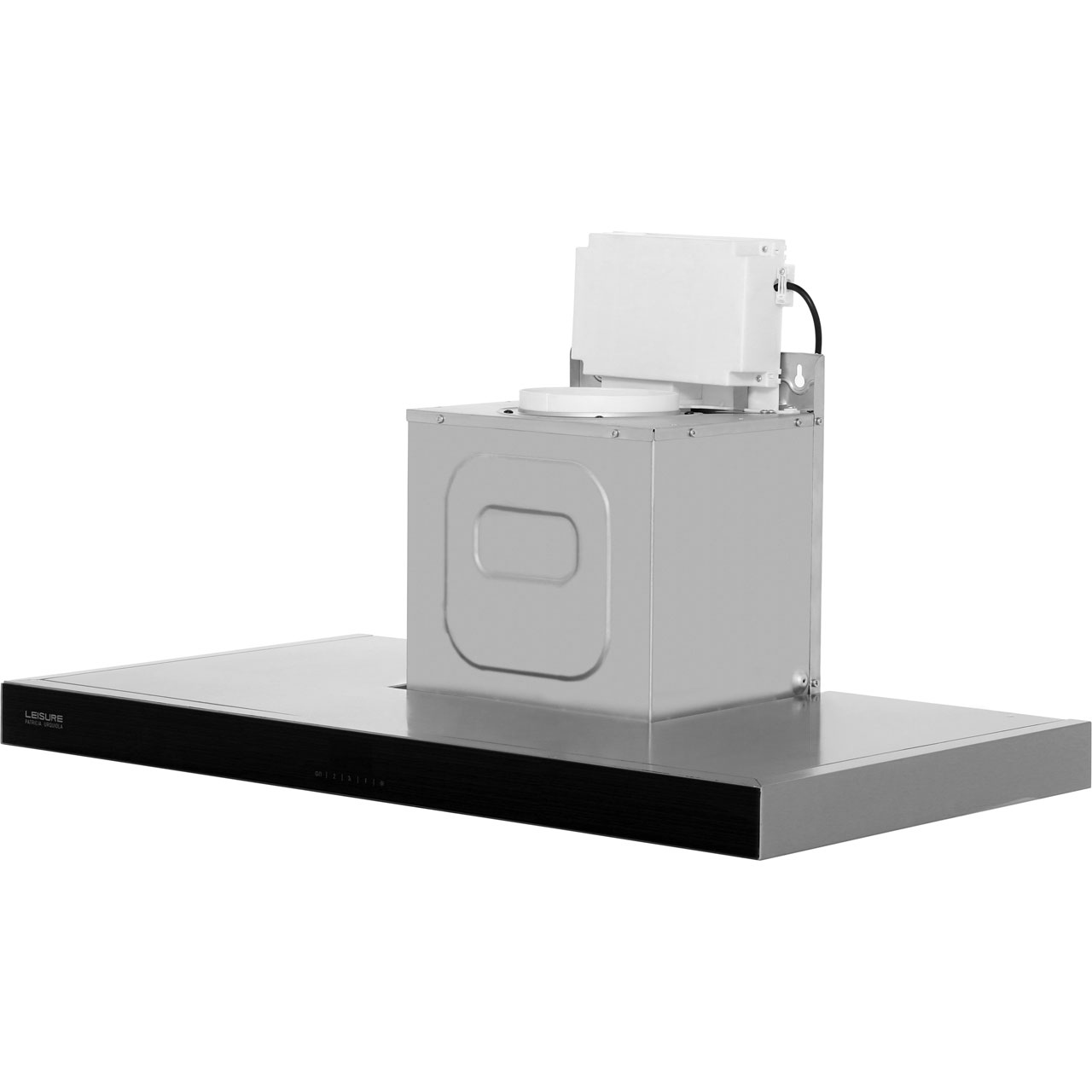
2 replies Just removed my old cooker hood from socket and fitted the new purchased one (Leisure PCWB9752BP), by simply plug-in to socket and attach it to wall (10min job). I accidentally touched the casing of the hood with my finger skin and my upper arm skin and it gived me small amount of shock. I sticked out my tension screwdrived and it lit up when i touched the hood casing. My previous cooker hood didn't had this issue. This new hood has a box on top of it, that connects on two connectors that comes out from the hood then power cord from this box to the socket. This box needed to be earthed to the hood metal casing by 2 screws. No really sure what happened or if thsi is normal. What is causing this shocks? Can someone reply asap please?
Just removed my old cooker hood from socket and fitted the new purchased one (Leisure PCWB9752BP), by simply plug-in to socket and attach it to wall (10min job).
I accidentally touched the casing of the hood with my finger skin and my upper arm skin and it gived me small amount of shock. I sticked out my tension screwdrived and it lit up when i touched the hood casing. My previous cooker hood didn’t had this issue.
This new hood has a box on top of it, that connects on two connectors that comes out from the hood then power cord from this box to the socket. This box needed to be earthed to the hood metal casing by 2 screws. No really sure what happened or if thsi is normal. What is causing this shocks?
Can someone reply asap please?
Likely replying to John Maidstone
Hello John. The only thing that can cause shocks is if the appliance is not earthed. If the motor is entirely plastic it shouldn’t normally need earthing but if it has metal parts that touch the casing it needs to be earthed. You shouldn’t have to do anything specific, it should automatically be earthed if it needs earthing. If it’s plugged into a wall socket check the plug and check the socket to ensure it’s earthed. You can buy socket testers to plug into wall sockets.
Likely replying to Andy Trigg (Whitegoodshelp)
Hi Andy, Thank you for quick reply. I have added a picture with the hood itself so you can clearly see the box on top of it. That box has a metal braket on the botton that needed to be attached on to the casing with 2 screws and ground simbol on it.
I will check the socket to see if the ground wire hasnt been disconnected when moving the socket.
https://media.ao.com/en-GB/Productimages/Images/rvLarge/leisure_pcwb9752bp_bk_05_l.jpg
0 replies Hi P.Y. That explains the confusion :) Yes I was referring to the article I gave you in my recent comment Washing Machine Tripping or Fusing Electrics. That's the article that can help to find the cause of low insulation but it's too involved for most people.
Hi P.Y. That explains the confusion :) Yes I was referring to the article I gave you in my recent comment Washing Machine Tripping or Fusing Electrics. That’s the article that can help to find the cause of low insulation but it’s too involved for most people.
0 replies Sorry I have just re read orginal message and was reading wrong article I was reading one about plugs socket and extention leads not one high lighted in your message. Thanks again
Sorry I have just re read orginal message and was reading wrong article I was reading one about plugs socket and extention leads not one high lighted in your message. Thanks again
0 replies Sorry I meant socket and plugs and extension leads were mentioned in article not washing machine itself in article. He tried these, I just assumed it would be washing machine insides itself is problem not electrics and like you have stated if old maybe best to renew as I couldnt do any diy on own it is very noisy also so probably several problems. Thank you for your help and very good advice about safety.
Sorry I meant socket and plugs and extension leads were mentioned in article not washing machine itself in article. He tried these, I just assumed it would be washing machine insides itself is problem not electrics and like you have stated if old maybe best to renew as I couldnt do any diy on own it is very noisy also so probably several problems. Thank you for your help and very good advice about safety.
0 replies Hello P.Y. The article isn't about plugs at all. It's about every possible cause of low insulation on a washing machine. Essentially the article is about when a washing machine trips the electrics. Yours isn't yet, but if it failed the insulation test it's saying that it has the same issue as in the article but it's just not bad enough yet to fuse the electrics. As I said, low insulation could be anything from a wire chaffed, the heating element, the motor, or a suppressor etc. So it's not possible to say if any washing machine with low insulation is worth repairing or not until the cause of low insulation is found. My article can help if you have some electrical knowledge but as it states, you really need an insulation test meter to test it properly and only engineers have those. Having said that, bearing in mind the washer may be old and you only inherited it I'd suspect it would be better to buy a new one.
Hello P.Y. The article isn’t about plugs at all. It’s about every possible cause of low insulation on a washing machine. Essentially the article is about when a washing machine trips the electrics. Yours isn’t yet, but if it failed the insulation test it’s saying that it has the same issue as in the article but it’s just not bad enough yet to fuse the electrics.
As I said, low insulation could be anything from a wire chaffed, the heating element, the motor, or a suppressor etc. So it’s not possible to say if any washing machine with low insulation is worth repairing or not until the cause of low insulation is found. My article can help if you have some electrical knowledge but as it states, you really need an insulation test meter to test it properly and only engineers have those. Having said that, bearing in mind the washer may be old and you only inherited it I’d suspect it would be better to buy a new one.
0 replies I have read article and it is more about plugs the PAT guy changed plug but still got reading from machine and failed it. I am not technically minded and machine maybe old as was in house when got here would it be best to get new than repair. Thanks
I have read article and it is more about plugs the PAT guy changed plug but still got reading from machine and failed it. I am not technically minded and machine maybe old as was in house when got here would it be best to get new than repair. Thanks
0 replies Hello P.Y. If a washing machine fails an insulation test it would normally be in a position where it is tripping the electrics or blowing a fuse. However, with PAT testing, the PAT tester can pick up insulation faults that are maybe close to causing an electrical fault. So a washing machine may otherwise be functioning normally. But having said that, if a washing machine has an insulation fault and it is plugged into a wall socket that hasn't got a proper earth connection, or has any earth fault of its own, then the washing machine would not trip the electrics or blow fuses. In such circumstances the washing machine would be very dangerous to use. In the end someone could get a lethal electric shock. An insulation fault on a washing machine could be caused by different things. Some of them may be relatively minor. For example it could be caused by a faulty heating element. The PAT tester only tells you there is an insulation fault somewhere on the washing machine. To find out what the problem is you need to test individual parts. My article on washing machines tripping the electrics give an idea of the kind of things that can cause insulation faults.
Hello P.Y. If a washing machine fails an insulation test it would normally be in a position where it is tripping the electrics or blowing a fuse. However, with PAT testing, the PAT tester can pick up insulation faults that are maybe close to causing an electrical fault. So a washing machine may otherwise be functioning normally.
But having said that, if a washing machine has an insulation fault and it is plugged into a wall socket that hasn’t got a proper earth connection, or has any earth fault of its own, then the washing machine would not trip the electrics or blow fuses. In such circumstances the washing machine would be very dangerous to use. In the end someone could get a lethal electric shock.
An insulation fault on a washing machine could be caused by different things. Some of them may be relatively minor. For example it could be caused by a faulty heating element. The PAT tester only tells you there is an insulation fault somewhere on the washing machine. To find out what the problem is you need to test individual parts. My article on washing machines tripping the electrics give an idea of the kind of things that can cause insulation faults.
0 replies Washing machine failed pat testing on insulation do I need new machine.
Washing machine failed pat testing on insulation do I need new machine.
0 replies Hello Able. Check out the last paragraph of my article regarding static electricity. If you get a shock when you touch the appliance but others don't it sounds suspiciously like you are discharging static electricity. If it is static electricity then usually once it is discharged if you touch the appliance again straight away shouldn't get a shock. If you continue to get shocks obviously refrain from touching it and get the appliance checked out by an electrician or at the very least try it in a different wall socket. The only explanation this to why one person might get a shock and not another that isn't related to static electricity building up in the person is maybe the shoes they are wearing giving some sort of insulation.
Hello Able. Check out the last paragraph of my article regarding static electricity. If you get a shock when you touch the appliance but others don’t it sounds suspiciously like you are discharging static electricity. If it is static electricity then usually once it is discharged if you touch the appliance again straight away shouldn’t get a shock. If you continue to get shocks obviously refrain from touching it and get the appliance checked out by an electrician or at the very least try it in a different wall socket.
The only explanation this to why one person might get a shock and not another that isn’t related to static electricity building up in the person is maybe the shoes they are wearing giving some sort of insulation.
0 replies The case of my washing machine shock only me and when others touch it dose them nothing. Please what could be the problem?
The case of my washing machine shock only me and when others touch it dose them nothing. Please what could be the problem?
1 reply Hi I wonder if you can help. I have a Electrolux dryer but the plug is a 2 pin European plug, so I've plugged this 2 pin plug into a 3 pin adapter which is then plugged into the wall socket. I am receiving tingling shocks when I touch the dryer door. I've had it for 2 years and never had this issue until now. I've tested it with my multimeter by touching one prong to the dryer door and the other to the copper water pipe and I get a fluctuating trading of 16v, 5v,0.05v etc. Ive disconnected it for now, but would appreciate your advice on what i can do to stop the tingling shock. Thanks Kam
Hi
I wonder if you can help.
I have a Electrolux dryer but the plug is a 2 pin European plug, so I’ve plugged this 2 pin plug into a 3 pin adapter which is then plugged into the wall socket.
I am receiving tingling shocks when I touch the dryer door. I’ve had it for 2 years and never had this issue until now. I’ve tested it with my multimeter by touching one prong to the dryer door and the other to the copper water pipe and I get a fluctuating trading of 16v, 5v,0.05v etc.
Ive disconnected it for now, but would appreciate your advice on what i can do to stop the tingling shock.
Thanks
Kam
Likely replying to Kam
Hello Kam. From what I understand the earth connection on a 2 pin European plug is totally different to ours. Unless by any chance the adapter is designed to also carry the earth then the earth connection for the appliance may not be getting to the wall socket. If the adapter is designed to also connect the earth then either something is wrong and it isn’t working, or it’s nothing to do with the plugs and the wall socket itself isn’t properly earthed. I would think the best course of action is to cut off the inappropriate socket and fit a proper 13 amp UK plug (how to wire a 13 amp plug)
If you still get shocks from the appliance get the wall socket checked out ASAP or start using a different one.
0 replies We have a very unique situation in our basement with regards to our dryer. We have one outlet that will accommodate both our hot water heater and our dryer plug. When we are doing laundry, we begin the dance of uplugging one appliance for the other and alternate until the laundry is done. How much risk does it present to handle cords and plugs in what appears to be a well grounded outlet. I wonder if the regular wiggling of the electrical box as we swap out the dryer for the hot water heater and vice versa will somehow effect the safety of our outlet. My husband received a shock when he was plugging in the dryer, but he told me it was because he was touching one of the arms of the plug as he was plugging it in. I want to be sure we aren't exposing ourselves to unnecessary risk by sharing one outlet with two appliances. And, to be honest, I'm not sure how one can receive an electrical shock by adjusting the dryer hose. Could you please elaborate on why this might occur, and steps to prevent shock when handling and using a dryer. Thank you in advance!
We have a very unique situation in our basement with regards to our dryer. We have one outlet that will accommodate both our hot water heater and our dryer plug. When we are doing laundry, we begin the dance of uplugging one appliance for the other and alternate until the laundry is done. How much risk does it present to handle cords and plugs in what appears to be a well grounded outlet. I wonder if the regular wiggling of the electrical box as we swap out the dryer for the hot water heater and vice versa will somehow effect the safety of our outlet. My husband received a shock when he was plugging in the dryer, but he told me it was because he was touching one of the arms of the plug as he was plugging it in. I want to be sure we aren’t exposing ourselves to unnecessary risk by sharing one outlet with two appliances. And, to be honest, I’m not sure how one can receive an electrical shock by adjusting the dryer hose. Could you please elaborate on why this might occur, and steps to prevent shock when handling and using a dryer. Thank you in advance!
0 replies Usually there are about two earth connections to the same earthing point in the kitchen, which is usually the copper pipework under the sink. I'm not an electrician so I couldn't say if there are any limits to how many can be connected. I can only say that I can't think of any reason that there would be a limit to one or two. In normal operation nothing runs through these wires. The earth wire is only used if an appliance, or fault somewhere causes live to short to earth. In that case it should blow the fuse instantly.
Usually there are about two earth connections to the same earthing point in the kitchen, which is usually the copper pipework under the sink. I’m not an electrician so I couldn’t say if there are any limits to how many can be connected. I can only say that I can’t think of any reason that there would be a limit to one or two. In normal operation nothing runs through these wires. The earth wire is only used if an appliance, or fault somewhere causes live to short to earth. In that case it should blow the fuse instantly.
0 replies Please can i ground two or three different apartment that are close to each other with the same earth rod to the ground
Please can i ground two or three different apartment that are close to each other with the same earth rod to the ground
3 replies What about shocks from cordless vac's? What can I do to prevent this?
What about shocks from cordless vac’s? What can I do to prevent this?
Likely replying to Gayle Kirton
Hello Gayle. I wouldn’t have thought you should get an electric shock from a cordless vacuum cleaner. Vacuum cleaners tend to be made entirely of plastic and double insulated. The only way to normally get a shock from a vacuum cleaner is from the mains cable, which of course isn’t there on cordless vacuum cleaner.
I can’t say for certain, but my guess would be that this is some sort of static electricity issue. I would look at what type of shoes you are wearing when vacuuming. If it is static then you would expect to get a single shot as static electricity jumps from your body to the vacuum cleaner but then if you touch it straight after there should be no shock. If you are convinced that it is nothing to do with static electricity then please get in touch with an engineer as soon as possible. Read this article to see if it helps How to avoid static electric shocks
Likely replying to Andy Trigg (Whitegoodshelp)
Hello Andy. We have a Bosch extractor hood (non-vented) over the hob, which was fitted two years ago. Our household electrics are reasonably modern, having had a full re-wire in 2012. A couple of months ago the main RCD board tripped, and through trial and error we discovered it was the hood that was responsible. We switched off the hood at the kitchen appliance switch panel and I didn’t get around to looking into it until a couple of weeks ago. I started by switching it back on and, hey presto, it was working fine again. Then it started coming on and off at random (so I suspected a failure in the hood’s button panel). Yesterday I went to turn it off after another sudden self-activation and I felt a tingle from the button area. I have just dismantled the whole thing and I note that the button panel assembly is entirely sealed in plastic, so not likely to be the cause of the tingle. I unscrewed the concealed socket at the top of the ‘chimney’ area that the whole thing is plugged into and took a look at the wiring – the earth seemed properly secured (although there were two possible terminals for the earth on the back of the socket – could there be a ‘wrong’ one?). The body of the hood is all steel but there are no visible un-insulated loose wires. I am assuming that grease residue is not conductive or this kind of thing might happen more often.
Any thoughts on this? Thanks.
Likely replying to Simon
Hello Simon. Any terminals for Earth should all be connected so it shouldn’t matter which one is used if you can see that they are connected. However, even if all earth connections seem okay it doesn’t guarantee that they lead to a good earth. That would have to be tested with a test meter.
To test if there is an earth fault causing electric shocks place a neon screwdriver on the metal and see if it lights up.
1 reply Hi i am talha when we start water pump we get shock in three tap which is nearer to motor,what is problem? & how can i solve it?
Hi i am talha when we start water pump we get shock in three tap which is nearer to motor,what is problem? & how can i solve it?
1 reply hi, I have a "ghost multiplug" that starts recently to explain, connecting appliance like (double spiral hot plate) gives nasty shocks, when open visually checked, then run continuity test everything is ok. close up to use again works for a while (1 day) and starts shocking again .did swap to check other multiplug, works no shocking, what could be the problem ?
hi, I have a “ghost multiplug” that starts recently to explain, connecting appliance like (double spiral hot
plate) gives nasty shocks, when open visually checked, then run continuity test everything is ok. close up to use again works for a while (1 day) and starts shocking again .did swap to check other multiplug, works no shocking, what could be the problem ?
2 replies My wife and I had to replace our tumble dryer a couple of months ago. The old one was a Creda - it "died". The new one is a Beko. The old one had a plastic hose outlet, and we never had the trouble, but the new one has a tin foil type. We get regular static when touching the adjacent metal sink. Advice, please!!!!
My wife and I had to replace our tumble dryer a couple of months ago. The old one was a Creda – it “died”. The new one is a Beko. The old one had a plastic hose outlet, and we never had the trouble, but the new one has a tin foil type. We get regular static when touching the adjacent metal sink. Advice, please!!!!
Likely replying to Pete Davies
Hello Pete. I’ve not seen a tin foil type vent hose. If you are getting a static discharge when touching the sink it shouldn’t be coming from the dryer. Static is what builds up when we walk across carpets or with clothes on made of specific fibres. The static builds up, and when we touch anything that is earthed like a sink or an appliance the static jumps from us to the object. Once it’s jumped that’s it until static gets built up again.
If you are getting one-off static shocks when touching the sink the static must be building up in the person prior to touching it from clothing, shoe-wear or carpets. If on the other hand you get a shock when touching the dryer and the sink that’s a different thing and the causes are described in my article.
0 replies No Rich. Read my article for reasons and explanations.
No Rich. Read my article for reasons and explanations.
0 replies hi i had a small shock from around the washing machine, so i used a volt probe and touched the body of the machine, should the probe light up?
hi i had a small shock from around the washing machine, so i used a volt probe and touched the body of the machine, should the probe light up?
1 reply we recently replaced our in wall oven there are red black and whitewires the ground wire showed on the last one it ran with the white wire yet while i was cooking i was holding my pot and my hand grazed the metal part onthe oven andi got a shock a few minutes later the hadle of thepot touched the metal part of the oven and i seen a spark whatis causing this
we recently replaced our in wall oven there are red black and whitewires the ground wire showed on the last one it ran with the white wire yet while i was cooking i was holding my pot and my hand grazed the metal part onthe oven andi got a shock a few minutes later the hadle of thepot touched the metal part of the oven and i seen a spark whatis causing this
Likely replying to melony hodges
Hello Melony. The earth wire should always be yellow and green in the UK. Turn off the oven and stop using it immediately. It’s potentially dangerous. You need to get the earth checked out properly by an electrician. My article above explains this can only happen if the appliance is not earthed properly and if an electrical fault develops it could be lethal.
1 reply Hello, I experienced two electric shocks today that were pretty intense both times when I had my electric toaster oven plugged in. Just as I plugged the oven in and as I was reaching for the side to pull it away from the wall (it was too close to the wall), my hand touched the surface of the sink, then Zap! The toaster oven is placed right next to the metal stove top, and my hand haven't even touched the metal part of the stove, just the wooden/plastic part of the sinc. At first, since the shock came from the surface of the sinc, i thought it was the stove top with the problem. But later on I realized the toaster oven has an old school non-polarizing plug....with 120 V. The brand name is G Force Electronics. The stove top is attached to 3 prong RCD, and it is well grounded, and it must be 240 V as half the wall ports are RCDs and the other half 120V GFCIs (the landlord is from Great Britain. We live in the caribbeans). I immediately unplugged the toaster oven, and everything is back at ground, no more shocks. My concern is this never happened before with the toaster oven; do you think it has a wire problem? And I should practically stay away from all household appliances with non-polarized plugs right? I had never experienced this before, it was very panicking. Just to add on to the question. Do I have to worry about two prong polarized plugs? Are they grounded well? My rice cooker and blender is two prong polarized. If they ever get bad and has a leak, that also wouldn't trip off the breaker b/c it has no third ground prong (green line)? Thank you so much; I want to stop worrying and have my arm around this.
Hello, I experienced two electric shocks today that were pretty intense both times when I had my electric toaster oven plugged in. Just as I plugged the oven in and as I was reaching for the side to pull it away from the wall (it was too close to the wall), my hand touched the surface of the sink, then Zap! The toaster oven is placed right next to the metal stove top, and my hand haven’t even touched the metal part of the stove, just the wooden/plastic part of the sinc.
At first, since the shock came from the surface of the sinc, i thought it was the stove top with the problem. But later on I realized the toaster oven has an old school non-polarizing plug….with 120 V. The brand name is G Force Electronics. The stove top is attached to 3 prong RCD, and it is well grounded, and it must be 240 V as half the wall ports are RCDs and the other half 120V GFCIs (the landlord is from Great Britain. We live in the caribbeans). I immediately unplugged the toaster oven, and everything is back at ground, no more shocks. My concern is this never happened before with the toaster oven; do you think it has a wire problem? And I should practically stay away from all household appliances with non-polarized plugs right? I had never experienced this before, it was very panicking.
Just to add on to the question. Do I have to worry about two prong polarized plugs? Are they grounded well? My rice cooker and blender is two prong polarized. If they ever get bad and has a leak, that also wouldn’t trip off the breaker b/c it has no third ground prong (green line)?
Thank you so much; I want to stop worrying and have my arm around this.
Likely replying to Brian
Hello Brian. I don’t know anything about polarised plugs as we don’t have them in the UK (to my knowledge). If a plug doesn’t have an earth (or ground) prong then the appliance doesn’t need earthing and you shouldn’t be able to get a shock from it. These products are usually encased in plastic.
If you get a nasty shock from any appliance then that appliance can’t have been earthed. If it only happened once or occasionally there may be an intermittent bad connection and you should NOT use the appliance again until it’s properly investigated and fixed.
There’s no other way for any electricity to be running through the appliance casing without blowing or tripping the fuses. Earth faults can be inside the appliance, in the mains cable, in the appliance’s plug or anywhere in the wall socket or within the wiring from the wall socket back to the main fuse board.
0 replies Good article, especially since my husband I think thinks I'm crazy when I complain about being shocked at times by the washer. He has never experienced it he rarely does laundry and when I have made him take the clothes out b/c the shocks were to much he usually has his chef crocs on, so maybe that has something to do with it. The grounding was my first thought when this first started occurring and the wiring in the house we are living is is very bad I'm definitely showing him this article
Good article, especially since my husband I think thinks I’m crazy when I complain about being shocked at times by the washer. He has never experienced it he rarely does laundry and when I have made him take the clothes out b/c the shocks were to much he usually has his chef crocs on, so maybe that has something to do with it.
The grounding was my first thought when this first started occurring and the wiring in the house we are living is is very bad I’m definitely showing him this article
0 replies I can only advise to get an appliance engineer to check it out. Getting a shock from inside the drum is serious and shouldn't be ignored. Even if it's gone away there must be something wrong somewhere for it to have initially happened and it could potentially come back any time.
I can only advise to get an appliance engineer to check it out. Getting a shock from inside the drum is serious and shouldn’t be ignored. Even if it’s gone away there must be something wrong somewhere for it to have initially happened and it could potentially come back any time.
1 reply Have you used the washing machine plugged into the RCD and does it trip? If it doesn't it's hard to see how the washing machine could possibly be earthed if it doesn't trip a sensitive RCD. Check continuity from the earth pin on the plug to the earth on the heating element.
Have you used the washing machine plugged into the RCD and does it trip? If it doesn’t it’s hard to see how the washing machine could possibly be earthed if it doesn’t trip a sensitive RCD. Check continuity from the earth pin on the plug to the earth on the heating element.
2 replies That was my thinking too, the earth connection to everything seems fine, have metered out and everything metal within the machine has continuity with the Earth pin of the plug, equally I can't see anything within the machine that looks wrong (snagged wires, etc). Could a heating element failure somehow do it? Thanks for your help so far!
That was my thinking too, the earth connection to everything seems fine, have metered out and everything metal within the machine has continuity with the Earth pin of the plug, equally I can’t see anything within the machine that looks wrong (snagged wires, etc). Could a heating element failure somehow do it? Thanks for your help so far!
Likely replying to Chris
Hello Chris. If the heating element is down to earth, or damaged exposing the inner element then it should instantly blow the fuse unless the socket it’s plugged into, or the washing machine plug, or any point on the cable or inside the machine is not earthed. The first thing an engineer would do is test the continuity of the earth pin on the washing machine’s plug to the metal casing on the machine or the metal door hinge. There should be virtually no resistance. If there’s a high resistance or open circuit it needs investigating.
After that they’d check the wall socket with a plug in socket tester.
Hi Andy,
Sounds like I’m on the right lines then as I’ve checked both of those things and they’re both fine, got a plug in RCD tester too and tested in the socket it’s plugged into and it trips as expected.
Any other clues or is it time to call in an expert or see who has offers on washing machines?!?
0 replies It can only be caused by an earth problem as described in my article above, otherwise it should blow the fuse or trip the electrics. The only way I can imagine this being possible is if the drum was completely insulated from the rest of the machine and not earthed in any way but somehow a wire was touching the drum pulley. But I can't think of any electrical wire or part that could be touching it.
It can only be caused by an earth problem as described in my article above, otherwise it should blow the fuse or trip the electrics. The only way I can imagine this being possible is if the drum was completely insulated from the rest of the machine and not earthed in any way but somehow a wire was touching the drum pulley. But I can’t think of any electrical wire or part that could be touching it.
0 replies Hi, I've just got a shock off the inside drum of our washing machine, I've used a meter and it's showing 115V. Any ideas what may be causing this?
Hi, I’ve just got a shock off the inside drum of our washing machine, I’ve used a meter and it’s showing 115V. Any ideas what may be causing this?
0 replies The only thing that can cause a shock or tingling shock is either static discharge, which would only happen once and then if you touched it again right after the charge on your body would have gone or a faulty earth inside the appliance, in the plug, or the socket, or the house wiring. If you are getting mild shocks from any appliance you should stop using it and get an electrician. The first thing is to check the plug on the appliance (if possible) and then plug it into a different socket or extension cable. All the information is above in my article.
The only thing that can cause a shock or tingling shock is either static discharge, which would only happen once and then if you touched it again right after the charge on your body would have gone or a faulty earth inside the appliance, in the plug, or the socket, or the house wiring. If you are getting mild shocks from any appliance you should stop using it and get an electrician. The first thing is to check the plug on the appliance (if possible) and then plug it into a different socket or extension cable. All the information is above in my article.
0 replies Hi! I have a small back porch. I have a stand up freezer, washer and dryer back there. The dryer is plugged in to a 220 all by itself. The washer and freezer share a electrical strip. Mt freezer has been zapping me. Not a shock, but tingling through my hand. Then the washer did the same. The washer had some water leaking from under it. We replaced the strip with a new one. Plugged therm in separated still did it. Even used another oulit, still did it! What is going on?!
Hi! I have a small back porch. I have a stand up freezer, washer and dryer back there. The dryer is plugged in to a 220 all by itself. The washer and freezer share a electrical strip. Mt freezer has been zapping me. Not a shock, but tingling through my hand. Then the washer did the same. The washer had some water leaking from under it. We replaced the strip with a new one. Plugged therm in separated still did it. Even used another oulit, still did it! What is going on?!
1 reply I was called to investigate an instance of customers getting small shocks from a row of lighted shelves, they are about 30 shelving systems attached to each other in a row with 18watt flourescent tubes lined along the front. I tested between the earth at the hot at the main swith and got 115v which is good, then I used an extension cable and went between the hot and each of the shelves on each module and got 115v, I even scraped a bit of the paint off in some cases for direct contact. So every shelf is gorunded yet I got anoyher call of a customer getting shocked on a drinks display freezer, I cant seem to understand whats going on in that supermarket, any ideas or suggestions?
I was called to investigate an instance of customers getting small shocks from a row of lighted shelves, they are about 30 shelving systems attached to each other in a row with 18watt flourescent tubes lined along the front. I tested between the earth at the hot at the main swith and got 115v which is good, then I used an extension cable and went between the hot and each of the shelves on each module and got 115v, I even scraped a bit of the paint off in some cases for direct contact. So every shelf is gorunded yet I got anoyher call of a customer getting shocked on a drinks display freezer, I cant seem to understand whats going on in that supermarket, any ideas or suggestions?
Likely replying to Eric
Hello Eric. Lighting isn’t what I cover, but could these shocks be static discharge by any chance?
Other than that if there is current running through the shelving due to an earth fault you should be able to detect it with a neon screwdriver, or one of those battery powered voltage detectors.
If it’s not static discharge and is leaking current or current migrating to casings or shelving it can only be an earth fault otherwise fuses would blow. Make sure the lighting is plugged into an earthed socket and any extensions used are earthed if they need earthing.
0 replies Hi! i just got a new laptop which tingles me when it is plugged in, even when the socket is switched off. On battery power, it is fine. My husband was unable to feel anything. Then i told my electrician sister in Australia about it and she said it's dangerous, don't use it. I am on a 24 volt solar system. i have noticed a few other small appliances also tingle me when i plug them in. With some, i just turn the plug upside down and it stops. With the laptop, i can't do that as it has a three-prong plug like the three-prong socket. I suspect the whole house needs grounding and maybe certain sockets need to be replaced. When i called the local guy who does electrical work he seemed to be in the dark about grounding issues. So then i unplugged the laptop from the powers-strip socket it was in and moved it to a different one and the tingling stopped. So perhaps the socket os faulty. Thank you for your nice, clear article.
Hi! i just got a new laptop which tingles me when it is plugged in, even when the socket is switched off. On battery power, it is fine. My husband was unable to feel anything. Then i told my electrician sister in Australia about it and she said it’s dangerous, don’t use it. I am on a 24 volt solar system. i have noticed a few other small appliances also tingle me when i plug them in. With some, i just turn the plug upside down and it stops. With the laptop, i can’t do that as it has a three-prong plug like the three-prong socket. I suspect the whole house needs grounding and maybe certain sockets need to be replaced. When i called the local guy who does electrical work he seemed to be in the dark about grounding issues. So then i unplugged the laptop from the powers-strip socket it was in and moved it to a different one and the tingling stopped. So perhaps the socket os faulty. Thank you for your nice, clear article.
1 reply Hi I just bought a vinyl cutting machine and it was supplied with a 2 prong plug on the power cable with an adaptor for UK plug sockets. Plugged in I can feel the tingle in the metal parts of the unit and stand and holding an AC detector pen a foot away from it the pen detects AC voltage around. I unplugged it and changed the lead for an earthed power cable with fitted 3 pin UK plug from my computer and this solved the problem. Is this normal? Thanks
Hi I just bought a vinyl cutting machine and it was supplied with a 2 prong plug on the power cable with an adaptor for UK plug sockets. Plugged in I can feel the tingle in the metal parts of the unit and stand and holding an AC detector pen a foot away from it the pen detects AC voltage around. I unplugged it and changed the lead for an earthed power cable with fitted 3 pin UK plug from my computer and this solved the problem. Is this normal?
Thanks
Likely replying to Richard
Hello Richard, this is about white goods appliances and I’ve never seen one of those machines. If it was supplied with a 2 prong plug it doesn’t look like it is meant to be earthed. However, getting a tingle from it and detecting the current around it are the symptoms of a product that should be earthed not being earthed as described in my article. The majority of appliances that are encased in plastic don’t need earthing as they are double insulated, also some small appliances even with metal parts may not need earthing if they are double insulated. You need to carefully examine the product especially at the back or underneath where the rating plate or sticker is. If it has the double insulated symbol on it then it doesn’t need earthing. The double insulated symbol is basically a square within a square and it is usually found on appliances that are entirely made of plastic on the outside. If it doesn’t have this symbol it should be earthed, but then it should surely have an earth in the mains cable supplied.
0 replies Yes Rebecca.
Yes Rebecca.
0 replies Hi I have a dryer which is fairly new and when I put washing into the dryer I am get an eclectic shock which feels like tingles in my hands when I touch the damp cloths. It has only just started happening, could this be the reason?
Hi I have a dryer which is fairly new and when I put washing into the dryer I am get an eclectic shock which feels like tingles in my hands when I touch the damp cloths. It has only just started happening, could this be the reason?
0 replies If it's a single small shock could it be a static discharge? If it's a proper electric shock you need an electrician asap.
If it’s a single small shock could it be a static discharge? If it’s a proper electric shock you need an electrician asap.
0 replies Recently started getting a small shock from the shower control. It is a non electric shower. What could be causing this
Recently started getting a small shock from the shower control. It is a non electric shower. What could be causing this
0 replies Never heard of two wire black and white wiring Dave. What country? All power sockets need to be earthed in the UK. If he is using appliances with no earth in the sockets and getting relatively mild shocks there's a chance that soon er or later the shocks could turn fatal if one of the appliances gets a loose wire that touches anything metal or a part like the heater or motor develops an insulation fault.
Never heard of two wire black and white wiring Dave. What country? All power sockets need to be earthed in the UK. If he is using appliances with no earth in the sockets and getting relatively mild shocks there’s a chance that soon er or later the shocks could turn fatal if one of the appliances gets a loose wire that touches anything metal or a part like the heater or motor develops an insulation fault.
0 replies My friend has the two wire, black and white, wiring in his home..he was getting a shock from electric grinder in garage, also from refrig. In garage. Now he has metal ceiling g installed in garage and it now is picking up the stray current and transferring g it to garage door tracks. It is a steady flow that gets your attention when you touch it. Has me stumped, any suggestions?
My friend has the two wire, black and white, wiring in his home..he was getting a shock from electric grinder in garage, also from refrig. In garage. Now he has metal ceiling g installed in garage and it now is picking up the stray current and transferring g it to garage door tracks. It is a steady flow that gets your attention when you touch it. Has me stumped, any suggestions?
2 replies Having just received a shock from my dishwasher, I noticed both it and a washing machine were plugged into an extension cable going to mains. After reading your article I understand how dangerous this is, but curious to know why I'd get a shock from the dishwasher but not the washing machine? Thanks
Having just received a shock from my dishwasher, I noticed both it and a washing machine were plugged into an extension cable going to mains. After reading your article I understand how dangerous this is, but curious to know why I’d get a shock from the dishwasher but not the washing machine? Thanks
Likely replying to Grant Forrester
Hello Grant. If the shock was caused because the extension cable did not have an earth then both appliances should in theory give some sort of mild shock but it might depend on how much metal on the appliance you are exposed to. On a dishwasher we have the large stainless steel inner door and casing which is perfect for giving out shocks but a washing machine has less areas to expose us to shocks – plus the metal inner drum is encased in a plastic drum and isolated. If the extension cable is earthed it’s possible only one of the sockets was faulty or had worn earth prongs.
Thanks for your quick reply. I have now plugged both into the mains and very tentatively touched the inside, and didn’t get a shock. My rcd has a test button which I’ve used too and nothing has tripped (except the protected circuits) so I’m hoping the extension was the culprit. Lesson learned!
Thanks again
0 replies To fix a low insulation fault, which could be caused by many different things, you need an insulation test meter (which only repair engineers have) - washing machine tripping or fusing electrics. It can be possible to take an educated guess if you understand washing machines but it would still be a guess.
To fix a low insulation fault, which could be caused by many different things, you need an insulation test meter (which only repair engineers have) – washing machine tripping or fusing electrics. It can be possible to take an educated guess if you understand washing machines but it would still be a guess.
4 replies hello ... recently when i plug the washer into the " earthed " socket it now trips the power and all electric goes out, but if i plug the washer into a different socket which isnt earth then it works fine ( however i did touch the washer when it was on and felt a very very very tiny tingle in my finger ) .. i had someone look at it and they said washer needs a new pump... Im not going to get it repaired ( seeing it is 10 years old ) im just going to buy a new one .. My question is how safe is it to continue using the washer for a couple of weeks until i have the funds to buy a new one , by plugging it in the Non Earthed socket ... is this risky ?
hello … recently when i plug the washer into the ” earthed ” socket it now trips the power and all electric goes out, but if i plug the washer into a different socket which isnt earth then it works fine ( however i did touch the washer when it was on and felt a very very very tiny tingle in my finger ) .. i had someone look at it and they said washer needs a new pump… Im not going to get it repaired ( seeing it is 10 years old ) im just going to buy a new one .. My question is how safe is it to continue using the washer for a couple of weeks until i have the funds to buy a new one , by plugging it in the Non Earthed socket … is this risky ?
Likely replying to jay
Hello Jay. The reason it is tripping the electrics is that electricity running through the machine is also running through the casing due to a fault. When plugged into a properly earthed wall socket the electricity running through the casing runs down to earth and instantly trips the electrics or blows the fuse. If you disconnect the earth due to a fault or plug the machine into an extension cable or wall socket that has no earth then the electricity flowing through the casing cannot get down to earth and trip the electrics. So it no longer blows a fuse and appears to work OK. However, the electricity is still running through the casing and could even be full mains voltage. If anyone touches the casing – especially any part that has no paint on it – the electricity can run through them down to earth and electrocute them.
Likely replying to Andy Trigg (Whitegoodshelp)
hi Andy … first of all i would like to thank you for your answers from the previous comments on 15 September 2015 tha i made … I have one last question ;-) I was told it is probably a defected PUMP ( because as soon as the washer starts the electrics in the house go off ) however because the washing machine still works perfectly in an UNEARTHED socket but not in an EARTHED socket , can i ASSUME that that there is no major problem with the washer itself and maybe its just something minor , maybe a loose wire or connector or something ( which possibly could be easily fixed ) maybe fixing a new plug ? or getting a repair man to take a look … i appreciate that maybe it’s difficult to give an answer on this but any advice would be helpful before i throw it away and buy a new one
Again thanks for your help
0 replies Aye :) This issue is about when the washer is plugged in and in place you get a small shock when touching the casing, door handle or door. Thanks for the update.
Aye :) This issue is about when the washer is plugged in and in place you get a small shock when touching the casing, door handle or door. Thanks for the update.
2 replies My boyfriend just informed me that he received an electric shock from installing his washing machine (which is fairly new and in good condition). Even though he wasn't actually using it at the time, could this shock be from the same phenomenon you're describing? If so, I fear he won't take the threat seriously- How long does it take for these shocks to turn potentially fatal?
My boyfriend just informed me that he received an electric shock from installing his washing machine (which is fairly new and in good condition). Even though he wasn’t actually using it at the time, could this shock be from the same phenomenon you’re describing? If so, I fear he won’t take the threat seriously- How long does it take for these shocks to turn potentially fatal?
Likely replying to Katie
Hello Katie, yes, get him to carefully read this article. If the machine isn’t earthed properly either because it has a fault (or more likely) because it’s plugged into a faulty socket or adapter then it could go on to deliver a fatal electric shock in the future if an insulation fault occurs inside it.
0 replies Just been doing some plumbing and was worried about shock when leaning against dishwasher to do work. Followed the guide and fault was old gang, was very grubby and of dubious origins. Replaced with modern clean extension with surge protection etc. No problems at all. Really useful guide and saved a call out! Thanks
Just been doing some plumbing and was worried about shock when leaning against dishwasher to do work. Followed the guide and fault was old gang, was very grubby and of dubious origins. Replaced with modern clean extension with surge protection etc. No problems at all. Really useful guide and saved a call out! Thanks
1 reply Hello, I live in a shared house with three other people and already for a long time we've all been feeling tiny electric shocks when we use the water from the bathroom (but not the shower). We think it could be connected with the washing machine, because it happens a lot more when it is on. We also thought it could be the water boiler, but it doesn't happen in the shower. What we find strange is that the tap (metal) is not charged, it is only the water (and it is not static electricity because it can happen several times while, for example, you wash your teeth). How can something like this happen? Should we call a general electrician or a washing machine tech? (we have no experience on fixing appliances so we're kind of scared to touch too much) Thank you very much, best regards Oriana
Hello,
I live in a shared house with three other people and already for a long time we’ve all been feeling tiny electric shocks when we use the water from the bathroom (but not the shower). We think it could be connected with the washing machine, because it happens a lot more when it is on.
We also thought it could be the water boiler, but it doesn’t happen in the shower.
What we find strange is that the tap (metal) is not charged, it is only the water (and it is not static electricity because it can happen several times while, for example, you wash your teeth).
How can something like this happen? Should we call a general electrician or a washing machine tech? (we have no experience on fixing appliances so we’re kind of scared to touch too much)
Thank you very much, best regards
Oriana
1 reply I recently bought a new washing machine and paid an additional £25 for it to be installed. The cable had to be hard-wired to the connection box in the wall, just as the previous washing machine had been. (There is a switch with a fuse on the wall above the worktop.) The new washing machine worked well but after one wash, when the machine was switched off and I was unloading the washing with one hand, I rested my other hand on a metal draining board, and received an electric shock from the washing machine drum. I used a multimeter to test the voltage between the metal drum and the metal draining board, and found it was 123 volts AC. I assume the metal draining board is connected to the earth through the copper water pipes. As I thought there was a fault with the washing machine, I contacted John Lewis Technical Support by e-mail. They phoned me and e-mailed me very quickly, and were very helpful. They gave me the link to this web page. When I checked the connections in the connection box, I found the three wires were firmly screwed into the correct terminals. The insulated earth wire was lying across the brass screw holding the blue wire from the mains supply cable. I assume that a current was being induced in the earth wire at or near this location. I disconnected the washing machine cable and reconnected it with a slightly longer insulated earth wire so that it did not rest on the screw. I used the multimeter to test the voltage between the metal drum and the metal draining board, and found it was now zero. I also touched the metal drum with one hand and the metal draining board with the other hand, and did not receive an electric shock. [I took photos of the wiring in the connection box before and after I reconnected the cable from the new washing machine. I would be happy to e-mail them to you, if you would like to add them to this web page.]
I recently bought a new washing machine and paid an additional £25 for it to be installed. The cable had to be hard-wired to the connection box in the wall, just as the previous washing machine had been. (There is a switch with a fuse on the wall above the worktop.)
The new washing machine worked well but after one wash, when the machine was switched off and I was unloading the washing with one hand, I rested my other hand on a metal draining board, and received an electric shock from the washing machine drum. I used a multimeter to test the voltage between the metal drum and the metal draining board, and found it was 123 volts AC. I assume the metal draining board is connected to the earth through the copper water pipes.
As I thought there was a fault with the washing machine, I contacted John Lewis Technical Support by e-mail. They phoned me and e-mailed me very quickly, and were very helpful. They gave me the link to this web page.
When I checked the connections in the connection box, I found the three wires were firmly screwed into the correct terminals. The insulated earth wire was lying across the brass screw holding the blue wire from the mains supply cable. I assume that a current was being induced in the earth wire at or near this location. I disconnected the washing machine cable and reconnected it with a slightly longer insulated earth wire so that it did not rest on the screw.
I used the multimeter to test the voltage between the metal drum and the metal draining board, and found it was now zero. I also touched the metal drum with one hand and the metal draining board with the other hand, and did not receive an electric shock.
[I took photos of the wiring in the connection box before and after I reconnected the cable from the new washing machine. I would be happy to e-mail them to you, if you would like to add them to this web page.]
Likely replying to Miles
Hello Miles. Yes please, use my contact form to get in touch and you can then reply to my response email attaching photos. I can’t quite make sense of your experience as I’m not aware that voltage could be induced simply by a wire resting on top of a neutral terminal. I would also expect that if 123 volts was somehow induced into the earth wire it should trip the electrics immediately.
The only cause I know that can allow voltage to run through the earth on an appliance is induced from the insulated live wire it runs next to within the mains cable if the earth wire is not connected to earth.
0 replies It sounds like the electrician needs to earth all of the sockets. I don't know what voltage is used over there but if it's potentially lethal you should not use any appliance with metal parts that can be touched if it is not earthed. As my article explains, the relatively mild shocks you can receive when an appliance is not earthed can turn into fatal shocks if one of the appliances goes faulty inside and allows mains voltage to run through to earth. When plugged into a socket with all earth connections intact such an incident would instantly blow the fuses but if there is no earth then the appliance will continue to function but could potentially kill. I don't know how common it is over there, it's hard to imagine any circumstances where someone would install electrical sockets without any earth.
It sounds like the electrician needs to earth all of the sockets. I don’t know what voltage is used over there but if it’s potentially lethal you should not use any appliance with metal parts that can be touched if it is not earthed. As my article explains, the relatively mild shocks you can receive when an appliance is not earthed can turn into fatal shocks if one of the appliances goes faulty inside and allows mains voltage to run through to earth. When plugged into a socket with all earth connections intact such an incident would instantly blow the fuses but if there is no earth then the appliance will continue to function but could potentially kill.
I don’t know how common it is over there, it’s hard to imagine any circumstances where someone would install electrical sockets without any earth.
1 reply If your sockets aren't earthed I would expect them to give you small electric shocks every time you touch them unless by any chance it is dependent upon what shoes you might be wearing. Unless by any chance you are generating static electricity and earthing to the appliances it sounds like you need an electrician to check all your sockets ASAP.
If your sockets aren’t earthed I would expect them to give you small electric shocks every time you touch them unless by any chance it is dependent upon what shoes you might be wearing. Unless by any chance you are generating static electricity and earthing to the appliances it sounds like you need an electrician to check all your sockets ASAP.
Likely replying to Andy Trigg (Whitegoodshelp)
Hi Andy,
I’m out in the Middle East and not a single socket is earthed.
I was getting shocks from my oven and an electrician came out and earthed it by drilling a hole in the floor and running a wire from the back of the oven to the hole in the floor and it did the trick.
I bought a blender the other day and I am getting the same shocks. My question is, how can I earth my blender? Would it be possible to run a wire somehow from the blender into the same wire from the oven?
0 replies all my white goods in the kitchen give me intermittent small electric shocks, how do i create a better earth connection in the kitchen
all my white goods in the kitchen give me intermittent small electric shocks, how do i create a better earth connection in the kitchen
1 reply Hello there My cooker at home occasionally gives me an electric shock I have some electrical knowledge and testing equipment I am aware the cooker is on its own circuit I just want to clarify if I test between the cooker outlet earth pin and the metal cooker I should hear my testers beep to show continuity ? This would show my cooker is properly earthed ? Many thanks fur your time
Hello there
My cooker at home occasionally gives me an electric shock I have some electrical knowledge and testing equipment I am aware the cooker is on its own circuit
I just want to clarify if I test between the cooker outlet earth pin and the metal cooker I should hear my testers beep to show continuity ? This would show my cooker is properly earthed ?
Many thanks fur your time
Likely replying to Stewart harrod
Hello Stewart. I would test for good continuity between the earth in the cooker socket and anything bare metal on the cooker (not painted parts of course) and the actual metal elements if it has the old style metal elements. But getting a good earth there only tests the cooker and its cable so if you find no fault you’d have to investigate if the cooker socket earth is actually earthed somewhere.
I get numbness and tingling when my washing machine is in use. I am not touching the machine. I am across the room from it. The tingling goes away when the cycle is finished and the machine tops. What causes this?
Hello Alice. This is something that I have never heard of before about washing machines. I’ve heard of a controversial syndrome where people are affected by modern technology and electricity, but I think that such an explanation wouldn’t really fit if it’s only the washing machine that causes it.
The only logical thing I can think of as a potential explanation, is if by any chance the washing machine is creating some really low sound waves below our hearing range. This can create feelings of unease and nausea (infrasound). This is explained here – can low frequency sounds make you sick?
However, it’s still something I’ve never heard of in association with white goods appliances. Funnily enough I read a news article last week about a scientist who had a laboratory that made people feel extremely uneasy and the cleaner was seen scurrying away from it looking quite terrified. The scientist noticed that when he was in the room it felt as if someone was watching him and it almost felt like the place was haunted. He even saw a thin metal object in his lab moving and vibrating. As a scientist, he knew that the metal object must be being subjected to some energy and suspected sound waves. He subsequently discovered that a fan in the room was creating low-frequency sounds. He speculated that many “haunted” places could potentially be accounted for by this phenomenon. Anyway it’s a bit different from how you described yours but at the very least it’s quite interesting :-)
I had not heard anything about this before. I will check into it. Thanks for the input.