
Using a washing machine from storage
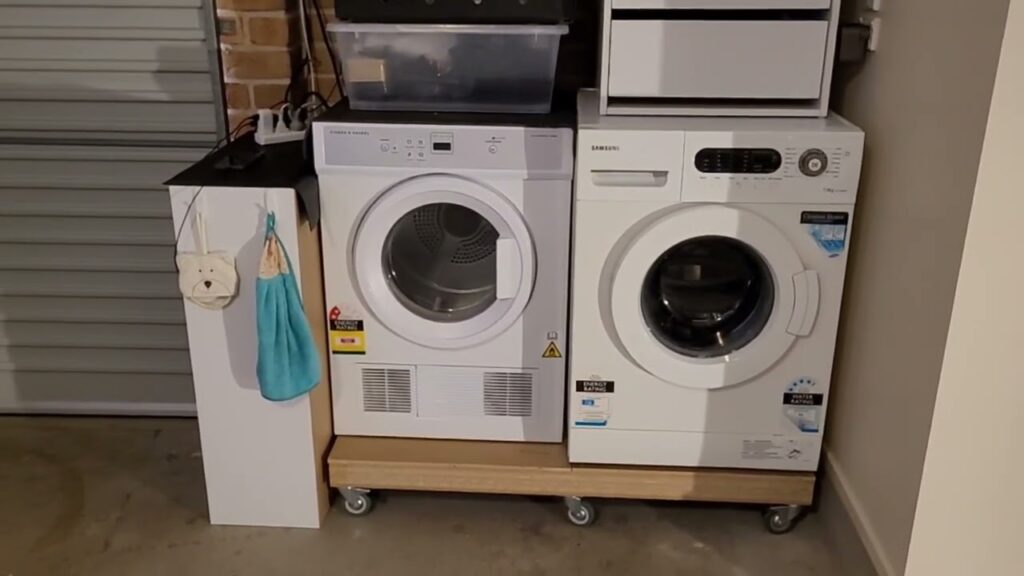
Before using a washing machine that has been in storage – especially for an extended period – there are several checks to carry out first. Even a machine that worked perfectly before being stored can develop faults while unused. Do not assume it will be fine without testing it carefully.

A machine that has been stored for a long time may leak, flood, or develop other faults during its first use. Never leave it unattended until you are confident it is working correctly.
Why Does Storage Cause Problems?
Appliances can develop faults during long periods of non-use. Rubber seals and hoses can dry out, harden, crack, or split – particularly if stored in a cold, damp, or poorly ventilated environment. The water pump can seize if it has not been used for an extended time. Other components can corrode or deteriorate in ways that are not visible from the outside.
This is not always predictable – components that appear fine can fail on first use. The checks below are designed to catch the most common issues before they cause water damage or a bigger problem.
Step 1: Check the Pump Before Letting Any Water In
The most important first check is whether the water pump is working. If the pump has seized and water enters the machine, it cannot be pumped out – leaving a machine stuck full of water. Avoid this by running a spin cycle first, before any water is introduced.
-
Set the machine to a spin-only cycle with no laundry inside. Do not add water at this stage.
-
Listen carefully during the spin. There should be two distinct sounds: the motor and drum spinning together, and the water pump running. Most washing machines make a recognisable pump sound – a consistent whirring or humming noise separate from the drum rotation.
-
If only one sound can be heard and there is no pump sound, or if there is only a loud humming from beneath the machine, the pump may have seized. Do not allow water into the machine until the pump has been freed or replaced. See: washing machine stuck full of water.
-
If the pump sounds like it is running normally, allow the machine to complete the full spin cycle. If it completes without issue, proceed to Step 2.
Step 2: Inspect Seals and Hoses
Before allowing any water in, visually inspect the door seal and any hoses visible inside the machine. The sump hose – which runs from the outer drum down to the pump – is particularly prone to deterioration if the machine has been stored in poor conditions. Look for cracks, hardness, or any signs of splitting.
If the seals and hoses look intact, proceed. If they look damaged or very dry, they may need replacement before the machine is used.
Step 3: First Water Fill – Watch Carefully
Start a wash cycle and allow the machine to fill with water. Stay present throughout and watch for two things:
 Watch for leaks
Water on the floor at any point means there is a leak. Stop the cycle immediately and diagnose the cause before continuing. See: troubleshooting a leaking washing machine.
Watch for overfilling
If the water level rises above halfway up the door glass and shows no sign of stopping, the machine may be overfilling. Stop the cycle. See: washing machine overfilling.
If the machine fills to a normal level and begins washing without leaking, that is a good sign. At this point, cancel the wash cycle and immediately run a spin to confirm the pump can remove the water successfully.
Step 4: Confirm the Pump Can Drain
Cancel the wash cycle with water in the drum and switch to spin only. Confirm that the water drains out completely and without hesitation. If it drains successfully, the machine has passed its basic checks.
Step 5: Run a Full Test Cycle Under Supervision
Set the machine to a 40°C cottons programme and run a full cycle. Do not leave the machine unattended. A machine may not leak immediately but can develop a leak later in the cycle – during a rinse, during spin, or as hoses warm up and internal pressure changes.
 Stay with the machine for at least the first 10 minutes without any issues before moving away.
- Return to check it every few minutes throughout the cycle – particularly at the start of each rinse and spin phase.
- If it completes the full cycle without incident, continue to monitor it for the next two or three wash cycles before leaving it to run unattended.
- If any leak, flooding, or unusual behaviour occurs, stop the machine and diagnose the fault before using it again.
Related guides
Frequently Asked Questions
Can a washing machine develop faults while it’s in storage?
Yes. Rubber seals and hoses can dry out, harden, crack, or split during extended storage – particularly in cold, damp, or poorly ventilated conditions. The water pump can also seize if unused for a long time. Even a machine that was working perfectly before storage can develop faults during the period of non-use, sometimes without any visible warning signs on the outside.
Why should I check the pump before letting water in?
If the pump has seized during storage and cannot run, water that enters the machine cannot be pumped out. This leaves the drum full of water with no easy way to remove it. Running a spin cycle with no water first allows you to confirm the pump is working before any water is introduced to the machine.
What does a seized washing machine pump sound like?
During a spin cycle, a working machine produces two sounds – the drum and motor spinning, and the water pump running. If only the drum and motor can be heard with no pump sound, or if there is a loud humming from beneath the machine without the drum spinning, the pump may have seized. A pump that has seized will need to be freed or replaced before the machine can be used.
How long should I supervise a washing machine after getting it out of storage?
Stay with the machine throughout the entire first cycle, checking it every few minutes – particularly at the start of each rinse and spin phase. A leak may not appear immediately and can develop later in the cycle as hoses warm up and pressure changes. Continue to monitor it for the next two or three wash cycles before leaving it to run unattended.
What should I do if the machine leaks on first use after storage?
Stop the machine immediately and do not use it again until the source of the leak has been identified and resolved. See: troubleshooting a leaking washing machine. Common causes after storage include a dried-out door seal, a split sump hose, or a deteriorated pump seal.
Transporting a washing machine – How to store a washing machine
Ask the repair forum
Post the make, model and symptoms and get help from the Whitegoods Help community.
11 Comments
Grouped into 6 comment threads.
0 replies Thanks for providing all this interesting information. I’ve just taken a washing machine out of storage and it’s been very helpful. Testing is ongoing!
1 reply Hello, my Bosch machine was in storage for just over a year. No leaks and pumping and draining fine as far as I can hear and see. Problem being, it is not carrying out a full cycle properly. At times it jumps from 3 mins to 1 min then back to 3 mins to end. It never finishes completely. It has also not drained and spun the load. Other times the door will not open but will after turning machine off and resetting the programme. Could this be a problem with the electronics with it being a digital display rather than it being a parts problem? Thanks I’m advance
Hello, my Bosch machine was in storage for just over a year. No leaks and pumping and draining fine as far as I can hear and see. Problem being, it is not carrying out a full cycle properly. At times it jumps from 3 mins to 1 min then back to 3 mins to end. It never finishes completely. It has also not drained and spun the load. Other times the door will not open but will after turning machine off and resetting the programme. Could this be a problem with the electronics with it being a digital display rather than it being a parts problem? Thanks I’m advance
Likely replying to Melanie Macdonald
Hello Melanie. It’s not possible to work out what could be wrong as the symptoms are a bit vague. I’m not saying that you have been vague, the symptoms are not displaying themselves directly enough to be able to pinpoint the problem. However, when you said that it has not drained and spun the load I would need to know if you mean it has not drained any water out at all (which is how an engineer would interpret that), or whether you just mean that it has drained the majority of the water out but the clothes are still wet through because it hasn’t spun? There’s a massive difference between the two possibilities, and an engineer would need to know exactly which one it is before trying to guess at an issue.
1 reply My washing machine was in storage for a year and when I used it the clothes came out smelling really moody. The machine itself is clean and so is all the rubber. I ran it on very hot with vinegar and baking soda and it still smells what can I do ?
My washing machine was in storage for a year and when I used it the clothes came out smelling really moody. The machine itself is clean and so is all the rubber. I ran it on very hot with vinegar and baking soda and it still smells what can I do ?
Likely replying to Lizzie
Hello Lizzie. Try it a few more times. It’s all you can do. Do at least one boil wash and one at 60 degrees and one at 40. No need for laundry just detergent. If that doesn’t clear it then something must have rotted inside or it’s too bad to clear. This article should help Get rid of washing machine smells
1 reply What is the best way to store my washing machine when it is not in use for a month, I find there are lots of bits in the wash when I use it.I have tried bleach but still does it I regally clean the filter out.
What is the best way to store my washing machine when it is not in use for a month,
I find there are lots of bits in the wash when I use it.I have tried bleach but still does it I regally clean the filter out.
Likely replying to Ann
Hello Ann. If it’s just going to stay where it is but not be used for a month I wouldn’t do anything other than turn off the power and the taps. Then before using it again do a boil wash with detergent but no laundry inside followed by one at 40 degrees to help clean it out. If a washing machine is going to be stored for longer I have an article here – How to store a washing machine
1 reply What does the pump look like in the washing machine how do I free it up? as I have a machine full of water as I put the machine on a empty hot wash cycle after being stored for about 18 months, water won't pump and I have lots of flashing lights.
What does the pump look like in the washing machine how do I free it up? as I have a machine full of water as I put the machine on a empty hot wash cycle after being stored for about 18 months, water won’t pump and I have lots of flashing lights.
Likely replying to Glenda
Hello Glenda. That’s one of the problems with leaving appliances unused. They have a remarkable capacity to develop faults that weren’t there before. Something might have just gone tight or stiff and possibly may work ok if freed up. Remove the pump filter and try turning the impeller round to see if it’s gone stiff and can be loosened up.
1 reply We recently bought a vacation home which had a washing machine furnished. The home is heated but we have not returned for 4 months. Should we be concerned that the seals in the wash machine will be damaged from lack of use. What do you consider a long time for a wash machine to sit without use if in a controlled environment
We recently bought a vacation home which had a washing machine furnished. The home is heated but we have not returned for 4 months. Should we be concerned that the seals in the wash machine will be damaged from lack of use.
What do you consider a long time for a wash machine to sit without use if in a controlled environment
Likely replying to Donna Schmidt
Hello Donna. I was thinking of much longer periods of time and more being stored in unfriendly environments such as in a garage or outbuilding. However, if the door has been left closed for 4 months it’s possible the rubber could stick to the door glass, especially if exposed to strong sunlight. If the door seal appears OK, just keep an eye on the washing machine when using again for the first time.
Thanks for providing all this interesting information. I’ve just taken a washing machine out of storage and it’s been very helpful. Testing is ongoing!