
Tips for connecting a washing machine
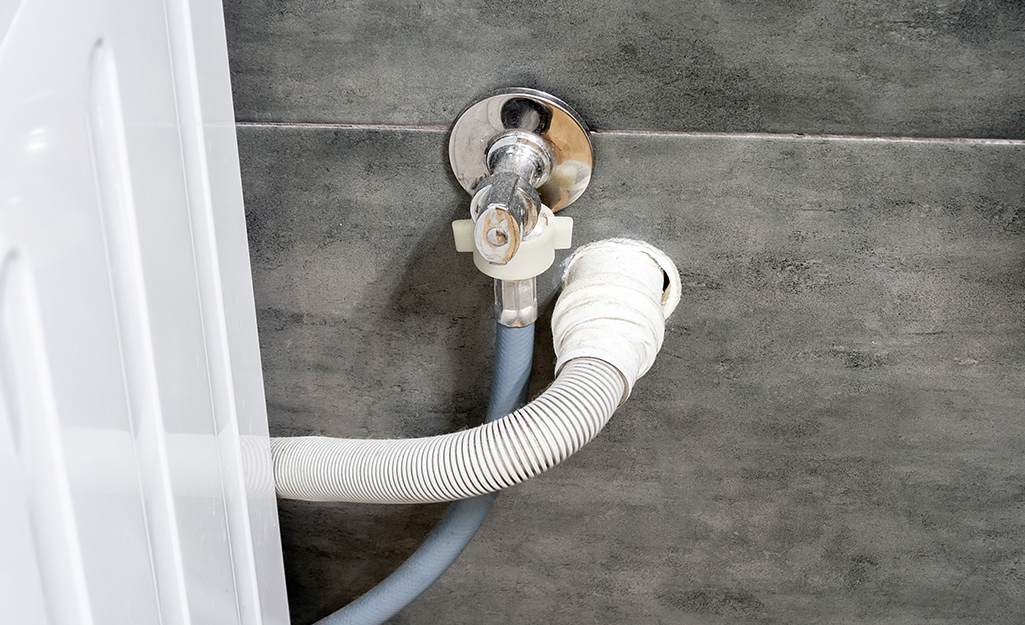

After any installation or repair involving the plumbing or moving the machine, always run through these five checks before leaving the machine to operate unattended: fill hose connections for leaks, drain hose position and leaks, standpipe or U-bend connection, fill hose kinking, and a full drain cycle to confirm water is pumping out correctly.
Carrying out a repair or installation always involves the risk of introducing a new fault – even when the original problem has been fixed correctly. Reconnecting hoses, moving the machine, or laying it down can create leaks, kinks, or siphoning faults that were not present before. Running through these checks every time prevents a small oversight becoming a damaging problem.
The 5 Post-Connection Checks
-
Check all plumbing connections for leaks
If any fill or drain hoses were disconnected and reconnected, watch each connection carefully while the machine runs through at least two or three fill and drain cycles. Pay close attention to where the fill hose connects to the machine’s water valve, where it connects to the tap, and where the drain hose meets the standpipe or U-bend. Come back several hours later and check again – fill hose connections can start as a very slow drip and either worsen or continue quietly for months, causing water damage that goes unnoticed until significant harm has been done.
-
Verify the drain hose position at the U-bend
If the drain hose connects to the U-bend under the sink, confirm it does not run in a straight downward line from the connection to the machine. It must rise by at least 10cm before descending, preventing dirty sink water from siphoning back down into the machine. A cable tie to the underside of the worktop can hold the hose in the correct position if it naturally wants to drop. Also check for leaks at the spigot connection when water runs down the sink and again when the machine pumps out. See our guide on how to install the drain hose for full detail on this requirement.
If the machine is filling with water when switched off, dirty water is likely siphoning into the drum via the drain hose. See our guide on washing machine filling with water when off.
-
Verify the drain hose position in the standpipe
If the drain hose enters a standpipe, confirm the pipe is standing upright and has not fallen to one side – a tilted standpipe can cause water to siphon out of the machine during the wash cycle, or water to pour out during drain. The drain hose should be held in a hook-shaped crook at the top of the standpipe, with approximately 13 to 15cm of hose extending below the crook into the pipe. Pushing the hose too far in is a very common cause of siphoning. If the drain hose crook is missing, replace it – it is an inexpensive part available from our Spare Parts Shop. As an alternative, the end of the hose can be bent into a hook shape and secured with tape before being dropped into the standpipe.
-
Check for kinks in the fill hose
When the machine is pushed back into its final position, the fill hose can become kinked behind the machine out of sight. A kinked hose will restrict or stop water flowing in. Put the machine on a fill programme and confirm that water is entering the soap dispenser drawer at a normal flow rate. If flow seems slow or absent, pull the machine out and check the hose. Hot fill hoses are particularly prone to kinking because the hose softens significantly when hot water flows through it.
-
Run a full drain and confirm water empties correctly
Once the machine has filled and started washing, put it through a drain or spin programme and watch the water empty out. Confirm the water pumps away completely within the expected time. If it does not, see our guide on washing machine not draining after being moved or connected.
A Note on Fill Hose Tightness
If a fill hose connection was disturbed during the repair, it is worth rechecking the tightness. Over-tightening cuts the rubber washer inside the connector and can start a leak that takes time to develop. Under-tightening allows an immediate drip. The correct technique is hand-tight until the washer compresses, then a small fraction more – no more than 2 to 5mm of additional turn.
If a fill hose connection is dripping and retightening does not resolve it, remove the hose end and inspect the rubber washer. If it appears compressed, cut, or deformed, replace it. A damaged washer can sometimes be turned around and refitted to present a fresh face, but replacing it is the more reliable fix.
New Faults That Can Appear After Moving or Reconnecting
The following faults are commonly introduced during installation or repair work and were not present before. If any of these appear after moving or reconnecting the machine, they are most likely caused by the installation rather than an existing machine fault.
 Constantly Fills and Drains at the Same Time
Usually siphoning caused by the drain hose being pushed too deep into the standpipe, or positioned too low.
 Now Leaking
A new leak after installation usually points to a fill hose connection, drain hose connection, or a hose disturbed during the move.
 No Water Coming In
A kinked fill hose is the most common cause of a no-fill fault that develops after the machine is pushed back into position.
 Won’t Drain After Moving or Reconnecting
A blanking piece in new plumbing, or an obstruction dislodged during the move, are the most common causes.
Installation Guides
Frequently Asked Questions
How long should I wait before pushing the machine back and leaving it running?
Run the machine through at least two or three fill and drain cycles with it accessible, and check every hose connection carefully while it runs. Wait until you are satisfied there are no leaks, then push it back carefully while watching for fill hose kinking. Come back several hours later and recheck any connections that are still visible. Only leave the machine fully unattended once you are confident there are no slow drips developing.
What is the drain hose crook and why does it matter?
The drain hose crook is a small curved plastic hook that fits over the top of the standpipe and holds the drain hose in a shepherd’s hook shape. It prevents the hose from being pushed too far into the standpipe and keeps it from falling out. Without it, the drain hose is likely to be pushed too deep, which causes siphoning, or to fall out during a drain cycle. If the crook is missing, replace it before using the machine.
My fill hose is dripping even though I tightened it – what do I do?
Remove the hose connector and inspect the rubber washer inside. If it appears deformed, cut, or heavily compressed, replace it – the washer is the only thing creating the seal, and a damaged one cannot be tightened into a watertight connection. New rubber washers are available very cheaply and are worth carrying as spares. Do not over-tighten to try to stop the drip – this will damage the washer further.
Ask the repair forum
Post the make, model and symptoms and get help from the Whitegoods Help community.
0 Comments