
How To Clean a Washing Machine
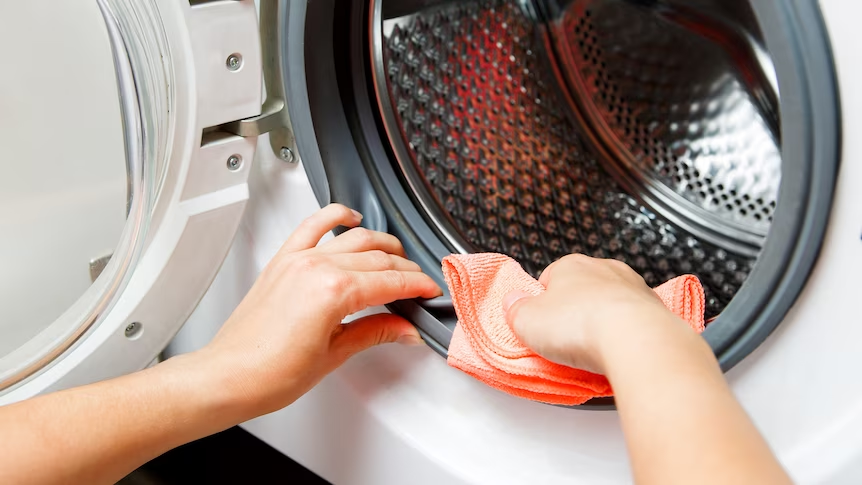

To clean a washing machine properly, you need to wipe down the soap drawer, scrub the door seal, clean the pump filter, and run an empty drum clean cycle using a washing machine cleaner or a hot service wash. The active work takes around 20 to 30 minutes. For best results, do this once a month. A clean machine washes better, smells fresher, and is less likely to develop faults.
Why does a washing machine need cleaning?
Every wash cycle leaves behind traces of detergent residue, fabric softener, limescale, body oils, and lint. Over time these accumulate inside the drum, the rubber door seal, the soap drawer, the filter, and the internal pipes. The warm, damp environment inside a washing machine is ideal for mould and bacteria to develop, which is the most common cause of that familiar stale or musty smell that machines develop with age.
The problem is made worse by modern washing habits. Washing at lower temperatures, using liquid detergents instead of powder, and running shorter eco cycles all reduce the machine’s ability to flush itself clean naturally. Where older machines running hot 60°C or 90°C cotton cycles regularly scoured the drum clean, modern low-temperature washes provide no such benefit. Regular cleaning fills that gap.
If your machine already has a persistent smell, start with our dedicated guide to washing machine smells and their causes, as the source may need addressing directly before a routine clean will resolve it fully.
What do you need before you start?
 A soft cloth or sponge
- An old toothbrush or small cleaning brush
- Warm water and washing-up liquid
- White vinegar or a proprietary washing machine cleaner
- Bicarbonate of soda (optional, useful for odour and residue)
- Paper towels or a dry cloth
- A shallow tray or towel to catch water when removing the filter

Make sure the washing machine has finished its cycle and is switched off at the mains before cleaning the filter or reaching inside the drum. Water in the machine can be very hot immediately after a cycle ends. Allow it to cool fully before starting.
How do you clean a washing machine step by step?
Step 1: Clean the soap drawer
The soap drawer is one of the most neglected parts of the machine and one of the most common sources of mould and bad smells. Liquid detergent and fabric softener leave sticky residues in the compartments that quickly turn black with mould if not cleaned regularly.
-
Pull the drawer out fully. Most washing machine soap drawers release by pressing a small tab or lever at the back of the fabric softener compartment while pulling the drawer forward. Check your manual if it does not pull free easily.
-
Rinse the drawer under warm running water to loosen residue, then scrub all compartments with an old toothbrush and a small amount of washing-up liquid. Pay particular attention to the underside of the dividers and the fabric softener section, where black mould most commonly develops.
-
Inspect the drawer housing inside the machine. Use a damp cloth and toothbrush to clean the roof and sides of the recess, removing any black residue or detergent build-up. This area is rarely cleaned and is often a significant source of mould spores.
-
Rinse the drawer thoroughly, dry it, and refit it securely.
If your fabric softener compartment regularly fills with water and does not drain during the cycle, see our guide to fabric softener not being taken out of the drawer, as a blocked syphon may be the underlying issue rather than a cleaning problem alone.
If you are finding black jelly-like residue in the drawer, see our article on black jelly in the soap drawer for a full explanation of the cause and how to prevent it.
Step 2: Clean the door seal
The rubber gasket around the inside of the door is the single most common location for black mould in a washing machine. Water, lint, and residue collect in its folds after every cycle, and if the door is kept closed between washes the trapped moisture creates ideal conditions for mould to develop rapidly.
-
Open the door fully and peel back the rubber seal carefully to expose the inner folds. You will likely find a combination of lint, small items of debris, standing water, and in many cases visible black mould.
-
Use a damp cloth to wipe around the full circumference of the seal, removing all visible debris. Work the cloth into the inner fold to reach the areas that are not visible with the door simply open.
-
For any black mould, apply a small amount of white vinegar to the toothbrush and scrub the affected areas directly. Leave for two to three minutes before wiping clean. For heavy mould growth, a diluted solution of one part white vinegar to one part water applied with a cloth and left briefly before wiping is effective.
-
Dry the seal thoroughly with a clean cloth or paper towel. Leaving moisture on the seal after cleaning simply recreates the conditions you have just removed.
-
Inspect the seal for any cracks, tears, or areas where the rubber has perished. A damaged seal will allow water to leak from the door during a cycle and cannot be repaired by cleaning alone. Replacement seals are available through our appliance spare parts section.
For a full guide to the causes and prevention of black mould in washing machines, see our dedicated article on causes of black mould in washing machines.
Step 3: Clean the pump filter
The pump filter catches coins, hair clips, buttons, and other small items that would otherwise reach the drain pump and cause a blockage or fault. It should be cleaned every one to three months. A heavily blocked filter can prevent the machine from draining properly and is one of the most common causes of a washing machine that won’t drain.
-
The filter is usually located behind a small panel at the bottom front of the machine, either accessed by opening a flap or removing a kick strip. Place a shallow tray or towel directly beneath it before opening, as water will flow out when the filter cap is loosened.
-
Slowly unscrew the filter cap anticlockwise, allowing the residual water to drain into your tray in a controlled way. Once the water has drained, remove the filter completely.
-
Rinse the filter under warm running water and remove all debris, fluff, and any trapped objects. Use a toothbrush to clean the mesh if necessary.
-
Wipe inside the filter housing with a damp cloth to remove any residue or debris remaining in the recess.
-
Refit the filter and tighten the cap firmly clockwise. A loose filter cap will cause a leak during the next cycle. Run a short cycle and check beneath the machine afterwards to confirm there is no leakage.
For a more detailed walkthrough of pump filter removal and cleaning, see our dedicated guide to cleaning the washing machine pump filter.
Step 4: Wipe down the drum interior and door
With the soap drawer removed and the seal cleaned, take a damp cloth and wipe around the full interior of the drum, paying attention to any grey or white residue on the drum walls, the lifters inside the drum, and the inner surface of the door glass. Dry with a clean cloth.
If you have a persistent greyish white coating on the drum interior, this is usually limescale or detergent residue. See our guide to removing a greyish white coating from the drum for specific guidance on resolving this.
Step 5: Run a drum clean cycle
Once the physical cleaning is complete, run the machine empty on its hottest setting to flush through the internal components, pipework, and heating element. This removes residual bacteria, detergent build-up, and limescale from the parts you cannot reach by hand.
 Using a proprietary washing machine cleaner
Products such as Calgon, Dr Beckmann Service-It, or Dettol Washing Machine Cleaner are added to the drum or drawer and the machine is run empty on its hottest cycle. Follow the product’s specific instructions. For an assessment of whether Calgon is genuinely effective, see our guide: is Calgon worth using?
 Using a hot service wash
If you prefer not to use a proprietary product, running the machine completely empty on a 90°C cotton cycle is an effective alternative. Some people add 250ml of white vinegar directly to the drum, or a cup of bicarbonate of soda to the drawer, before starting the cycle. Do not combine vinegar and bicarbonate of soda in the same wash.
Do not mix cleaning products together in the same cycle. Do not use bleach in a drum clean unless the product instructions specifically state it is suitable, as bleach can damage rubber seals and stainless steel drum surfaces with repeated use. Always run the machine completely empty during a cleaning cycle.
How often should you clean a washing machine?
| Task | Recommended frequency |
|---|---|
| Wipe door seal after cycles | Weekly, or after every wash if possible |
| Full door seal clean | Once a month |
| Soap drawer full clean | Once a month |
| Drum clean cycle (empty hot wash) | Once a month |
| Pump filter clean | Every one to three months |
| Full deep clean (all of the above) | Every three months at minimum |
Households that wash at lower temperatures more often, use liquid detergent exclusively, or run a high volume of washes per week may need to clean more frequently than the intervals above suggest.
Why does a washing machine still smell after cleaning?
If a thorough clean has not resolved the smell, one of the following is likely still contributing to the problem.

If the drain hose is connected incorrectly, it can allow waste water to siphon back into the machine between cycles, causing a persistent sour or sewage smell regardless of how clean the drum is. This is a plumbing issue, not a machine fault. See our guide to washing machine smells caused by plumbing faults.
Liquid detergent and fabric softener leave waxy residues in the internal pipework that a single drum clean cycle may not fully remove. Running two or three consecutive hot service washes, or switching to powder detergent for a period, can help break down persistent build-up.

A small amount of water remaining in the very base of the machine between cycles is normal. If water is pooling significantly and not fully draining, it will stagnate and cause persistent odour. A blocked or partially blocked pump filter is the most common cause.

Consistently washing at 30°C or 40°C without any higher temperature cycles allows bacteria and mould to accumulate faster than occasional hot washes clear them. Running a 60°C or 90°C cycle at least once a fortnight helps maintain a cleaner machine between deep cleans.
How can you keep a washing machine cleaner between monthly cleans?
- Leave the door ajar after every wash. This is the single most effective habit for preventing mould and smell. Leaving the door and soap drawer slightly open after a cycle allows the drum interior to dry out fully. A closed machine traps warm, damp air inside and provides ideal conditions for mould growth.
- Wipe the door seal after each wash. A quick wipe around the inner fold of the door seal takes under a minute and removes the lint and moisture that would otherwise sit there until the next cycle. This habit significantly slows the development of mould.
- Use the correct detergent dose. Using too much detergent, particularly liquid, creates excess residue in the machine that accelerates build-up. Use the amount recommended for your water hardness and load size, not more. See our guide to the best type of washing machine detergent for advice on choosing the right product.
- Run a hot wash regularly. Even if most of your laundry is washed at 30°C or 40°C, running a cotton cycle at 60°C or above at least once a fortnight helps flush the machine clean and prevents bacterial accumulation. An empty drum clean cycle works, or simply wash towels or bedding at a higher temperature.
- Consider soda crystals periodically. Adding soda crystals to the drum on an empty hot cycle is an inexpensive and effective way to cut through grease and residue in the machine’s pipework. See our guide to using soda crystals in washing machines for guidance on amounts and frequency.
- Address limescale if you live in a hard water area. Limescale accumulates on the heating element and drum surfaces in hard water areas and reduces washing efficiency over time. Using a descaler regularly protects the machine and improves performance. Our guide to limescale in washing machines covers the options in detail.
- Remove laundry promptly after the cycle ends. Leaving wet laundry sitting in a closed drum for extended periods contributes to musty smells in both the clothes and the machine. Remove and dry or hang laundry as soon as practical after each cycle finishes.

Always switch the washing machine off at the socket before cleaning the pump filter, reaching inside the drum, or working around any internal components. Water inside the machine can remain very hot after a cycle. Never attempt to access or repair any electrical components, wiring, or the motor. If the machine is producing a burning smell, tripping the electrics, leaking from beneath, or showing any signs of damage to wiring or the power cable, stop using it immediately and seek professional advice. Read our full DIY appliance repair safety guide before attempting any work on your machine.
Is cleaning not solving the problem?
If your washing machine is still smelling, leaving residue on clothes, or showing signs of a fault even after a thorough clean, there may be an underlying mechanical issue that needs professional attention. Our engineers can diagnose and repair most washing machine faults, and we stock genuine spare parts for all major brands.
Frequently asked questions about cleaning a washing machine
How often should I clean my washing machine?
As a minimum, run a drum clean cycle and clean the soap drawer and door seal once a month. Clean the pump filter every one to three months. If you wash mainly at low temperatures, use liquid detergent exclusively, or run a high volume of washes each week, you may benefit from cleaning more frequently. A monthly routine takes around 20 to 30 minutes of active time and is the single most effective maintenance habit for a washing machine.
What is the best thing to clean a washing machine with?
For the drum clean cycle, a proprietary washing machine cleaner such as Dr Beckmann Service-It or Dettol Washing Machine Cleaner is effective and straightforward to use. An empty 90°C service wash is a good free alternative, and adding 250ml of white vinegar or a cup of bicarbonate of soda to the drum enhances the effect. For physical cleaning of the seal and drawer, warm water, washing-up liquid, and an old toothbrush are all you need. Avoid bleach unless the product instructions specifically state it is suitable for drum use.
Why does my washing machine smell even after running a cleaning cycle?
If the smell persists after a cleaning cycle, the most likely causes are a plumbing fault causing drain water to siphon back into the machine, mould remaining in the door seal folds that was not reached during cleaning, build-up in the soap drawer housing, or a partially blocked pump filter. Work through each of these areas physically before concluding the machine has a mechanical fault. Persistent smell after a thorough clean of all components warrants a professional inspection.
Can I use vinegar to clean a washing machine?
Yes. White vinegar is effective against limescale, bacteria, and mild odours, and is safe to use in a washing machine cleaning cycle. Add around 250ml directly to the drum and run the hottest empty cycle. It can also be used diluted on the door seal and soap drawer. Do not use vinegar regularly as a fabric softener substitute, however, as repeated exposure to acidic substances over time can degrade internal rubber components and seals.
How do I stop my washing machine from smelling between cleans?
The two most effective daily habits are leaving the door and soap drawer slightly open after every wash, and giving the door seal a quick wipe to remove lint and moisture before closing the machine. These two steps alone significantly slow the development of mould and odour. Running a 60°C or higher cycle at least once a fortnight also helps flush the machine naturally between deeper cleans.
Where is the pump filter on a washing machine?
On most front-loading washing machines, the pump filter is located behind a small access panel or flap at the bottom front of the machine, usually on the right-hand side. It unscrews anticlockwise by hand. Always place a shallow tray or towel beneath it before opening, as residual water in the machine will flow out when the cap is loosened. For step-by-step guidance, see our full guide to cleaning the washing machine pump filter.
Can I clean a top-loading washing machine the same way?
The principles are the same but the components differ slightly. Top-loaders do not have the same door seal as front-loaders, so step 2 above is generally not needed, but the lid hinge area and the underside of the lid should still be wiped down regularly. The fabric softener dispenser, agitator (if fitted), and pump filter (if accessible) all need the same attention as on a front-loader. Top-loading drum clean cycles are also available on most modern top-loaders and follow the same hot-empty-cycle principle. Always check your specific model’s manual for the recommended cleaning method.
Ask the repair forum
Post the make, model and symptoms and get help from the Whitegoods Help community.
0 Comments