
How to remove stains from clothes
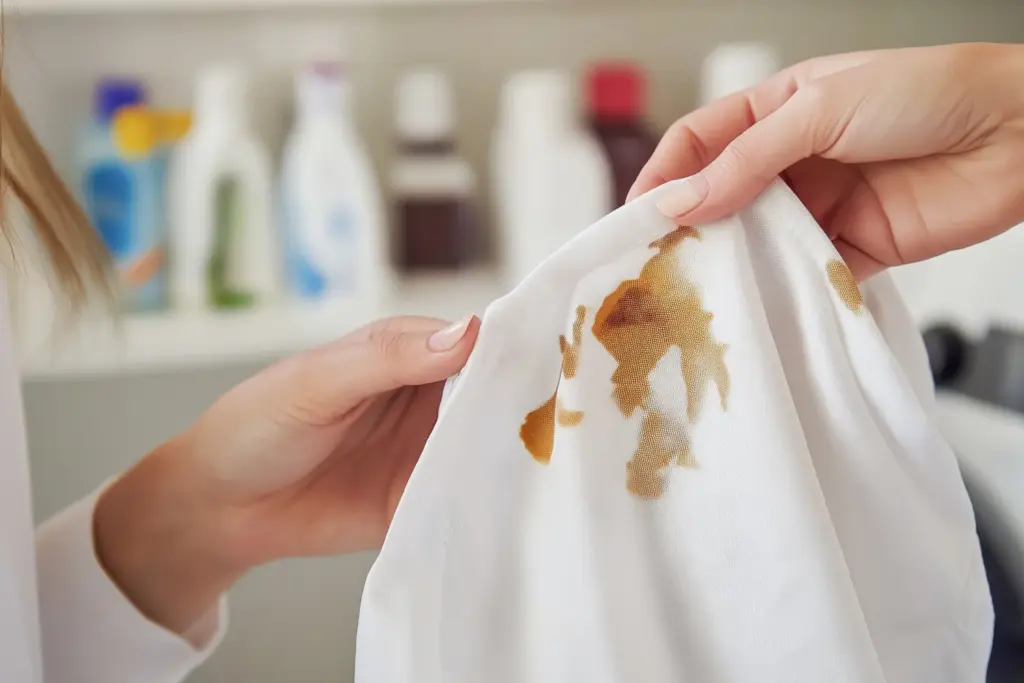

Pre-treat stains before washing normally. Never use hot water on protein stains such as blood, egg, or dairy – heat sets them permanently into the fabric. Treat each stain type differently before putting the garment in the machine. The sooner a stain is treated, the better the result.

These methods are widely published in laundry and household guides. Always test any solvent or treatment on a hidden area of the fabric first. Use at your own risk and follow the garment’s care label at all times. Some solvents are flammable – keep away from heat sources and ensure good ventilation.
All stain treatments below should be carried out before washing normally. Do not rub so vigorously that you damage the fabric fibres – dab and blot rather than scrub wherever possible.
General Rules Before Treating Any Stain
- Protein stains (blood, egg, milk): Always use cold water. Hot water permanently sets protein stains into fabric.
- Metal zips: Avoid soaking for extended periods – prolonged soaking can dissolve the adhesive holding some zip components.
- Hooks, eyes, and buttons: The cotton thread used to attach these may shrink with soaking.
- Do not soak: Wool, flameproof, elasticated, or non-colourfast garments should not be soaked to remove stains.
Stain Removal Guide
Light grass stains should come out through normal washing. For heavier stains, dab with methylated spirit and rinse with water before washing. Do not use methylated spirit on acetate or triacetate fabrics.
Ballpoint pen: Dab with methylated spirit before washing.
Felt tip pen: Dab small marks with methylated spirit before washing.
Fountain pen: Rinse immediately with cold water. Wash white cottons and linens straight away. For any residual stain, rub with lemon juice, cover with salt, and leave for up to an hour – then rinse and repeat until gone. For coloured fabrics, woollens, and silk, sponge with cold water and wash normally.
Place an ice cube in a plastic bag and hold it against the gum to harden it. Once hard, scrape off gently with a blunt knife. Dab with dry-cleaning solvent if available, then wash normally.
Scrape off as much chocolate as possible. Soak the garment in a biological detergent solution (such as Bio-tex or a biological washing powder) dissolved in warm water. Then wash normally according to the care label.
Carefully scrape off as much hardened wax as possible with a blunt knife. Place blotting paper over the remaining stain and iron over it with a warm iron – the wax will transfer to the paper. Repeat with fresh paper until no more wax transfers. Use a small amount of methylated spirit to remove any remaining colour.
Rinse immediately in cold water. For coloured fabrics, sponge with a borax solution (one tablespoon of borax to 500ml of warm water). For white fabrics, sprinkle borax powder onto the dampened stain, stretch the fabric over a basin, and pour boiling water through from a height.
Wipe away as much of the fresh stain as possible. Soak for 5 minutes in a weak ammonia solution (15ml – approximately one tablespoon – to 500ml of water). Rinse thoroughly.
Dab with diluted ammonia (1 part ammonia to 3 parts cold water). Rinse thoroughly with cold water.
Dab the stain with methylated spirit to break down the wax and pigment. Follow with soap and water, then rinse thoroughly before washing normally.
Dab with a non-oily nail varnish remover. On acetate or triacetate fabrics, use amyl acetate instead of standard remover – standard acetone-based removers will dissolve these fabrics. For heavy spills, professional dry cleaning is recommended.
Moisten the stain with turpentine and allow to soak for 10 minutes. Follow with white spirit or benzine, then rinse thoroughly in cold water before washing normally. Ensure good ventilation when using these solvents.
Oil-based paint: Dab fresh stains with white spirit, then sponge with cold water. Dried oil-based paint will require professional dry cleaning.
Emulsion paint: Sponge fresh stains immediately with cold water. Once emulsion paint has dried it cannot be removed from fabric.
Related Guides
 Which Is the Best Type of Washing Machine Detergent?
Powder, liquid, or capsule – which works best for stain removal and everyday washing.
 Do Biological Detergents Damage Laundry?
What biological enzymes do and whether they are safe for all fabric types.
 White Streaks on Laundry After Washing
Causes of white powder or detergent residue left on clothing after a wash cycle.
 Holes in Clothes After Washing
Why fabric damage sometimes occurs in the washing machine and what causes it.
Frequently Asked Questions
Why should you never use hot water on protein stains?
Heat causes proteins to coagulate and bond with fabric fibres, permanently setting the stain. Blood, egg, milk, and similar protein-based stains must always be treated with cold water first. Once hot water has been applied to a protein stain, it becomes very difficult or impossible to remove.
Is methylated spirit safe to use on all fabrics?
No. Methylated spirit should not be used on acetate or triacetate fabrics, as it can dissolve or damage these materials. Always test on a hidden area of the fabric before treating a visible stain, and check the garment’s care label for fabric content.
Can you soak wool or flameproof garments to remove stains?
No. Wool should not be soaked – it can shrink, felt, or lose its shape. Flameproof garments should not be soaked as this can affect the flame-resistant treatment. Elasticated and non-colourfast items should also not be soaked. For these fabric types, spot treatment and gentle sponging is the safer approach.
What should I do if emulsion paint dries on clothing?
Unfortunately, dried emulsion paint cannot be removed from fabric. The only option once it has dried is to accept the stain or professionally assess whether any treatment is possible. Emulsion paint must be sponged with cold water immediately while still wet – acting quickly is the only effective approach.
Is nail varnish remover safe on all fabrics?
No. Standard nail varnish removers contain acetone, which will dissolve acetate and triacetate fabrics. On these materials, use amyl acetate instead. For heavy spills on any delicate fabric, professional dry cleaning is the safer option.
Ask the repair forum
Post the make, model and symptoms and get help from the Whitegoods Help community.
1 Comment
Grouped into 1 comment thread.
Also for oils and grease, rubbing Swarfega onto the affected area prior to washing can do the trick!