
Electrolux tumble dryer tries ironing too
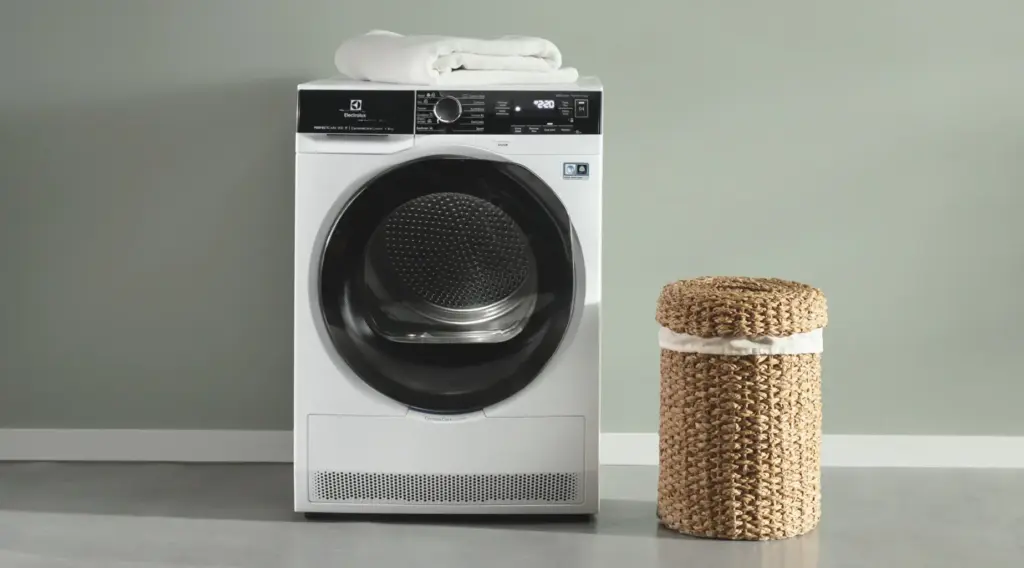

The Electrolux Iron Aid tumble dryer uses steam to reduce creasing and aid ironing. It works – but not in the way the advertising implies. Laundry does not emerge ironed. Instead, the machine leaves laundry slightly damp and requires immediate removal and hanging on hangers or laying flat to finish drying. The de-wrinkling effect comes from the combination of steam and this gravity-assisted final drying. For most users this is a significant additional effort, and many will find ironing less inconvenient than the process the Iron Aid requires.
What the Electrolux Iron Aid Does
The Iron Aid is a condenser tumble dryer with an integrated steam function. It offers two modes: drying laundry from wet while using steam to reduce creasing, and refreshing or de-wrinkling laundry that is already dry. The steam requires a water supply – either a plumbed connection or a refillable container depending on the model.
Electrolux’s research with 282 consumer testers produced significant headlines: 98% said they would wear clothes directly from the dryer for leisure purposes; 77% said they would wear them for work, including shirts, without ironing. These figures are compelling – if accurate – and speak to a genuine gap in the market. Ironing is one of the few domestic chores that modern technology has largely failed to eliminate.
What the Testing Found
Testing of the Iron Aid reveals a more nuanced picture than the marketing suggests.
 What the Iron Aid does well
- Reduces the severity of creasing compared to a standard tumble dry
- The dry-only steam refresh function can de-wrinkle already dry garments without re-washing
- Produces results that are genuinely ready to wear for casual use in many cases
- May significantly reduce ironing volume for some households
 What the Iron Aid does not do
- Laundry does not come out ironed – the advertising overstates this significantly
- The machine leaves laundry slightly damp rather than fully dry, requiring a further drying stage
- Laundry must be removed immediately when the cycle ends and hung on hangers or laid flat to finish drying – if left in the drum, creases reform
- This final stage requires space, time, and attention that not all households can provide at the moment the cycle ends
The de-wrinkling effect relies on laundry hanging freely as it finishes drying. The steam loosens fibres and the weight of the garment hanging vertically pulls creases out as the last moisture evaporates. This is effective – but it requires removing every item immediately when the cycle ends and finding space to hang all of it. Whether this is less work than ironing depends on the individual and the type of laundry involved. For some households the Iron Aid will represent a genuine time saving. For others, the additional organisation required makes ironing the more practical option.
Is the Iron Aid Worth the Premium?
At a price point significantly above a standard condenser dryer, the Iron Aid is positioned as a premium product. The case for paying more depends entirely on how much ironing the household does, whether the laundry types involved benefit from steam de-wrinkling, and whether immediate removal and hanging at cycle end is practical.
-
Worth considering if the household does a significant volume of shirts, blouses, or similar garments that currently all require ironing; immediate removal at cycle end is reliably possible; and space to hang laundry after the dryer is available. The reduction in ironing time could justify the additional cost. -
Less likely to deliver value if laundry is typically left in the drum after a cycle ends; the household does primarily towels, cotton items, or children’s clothes that are not ironed anyway; or space for post-dryer hanging is limited.
Tumble Dryer Guides
Related Guides
 Most Energy Efficient Tumble Dryers
Heat pump, condenser, and vented dryers compared on running costs and performance.
 Why Laundry Comes Out Badly Creased
The causes of post-wash creasing and how to reduce it without additional equipment.
 Tumble Dryer Not Drying Properly
Why a tumble dryer leaves laundry damper than it should – and how to fix it.
 Do Dryer Balls Actually Work?
What the evidence shows about another commonly marketed tumble drying accessory.
Frequently Asked Questions
Does the Electrolux Iron Aid actually iron clothes?
No – the advertising overstates this. The Iron Aid uses steam to loosen fibres and reduce creasing, and leaves laundry slightly damp so it can finish drying while hanging. The de-wrinkling effect depends on laundry being removed immediately at cycle end and hung on hangers or laid flat. For many garments and many users this produces results that are ready to wear without ironing – but it is a process rather than a replacement for ironing in the traditional sense.
Do you have to remove laundry immediately when the Iron Aid cycle ends?
Yes – this is the key practical requirement. The machine leaves laundry slightly damp and the de-wrinkling effect relies on garments hanging freely as the remaining moisture evaporates. If laundry is left in the drum after the cycle ends, the steam-softened fibres reform into creases. The user needs to be available to remove everything immediately when the drum stops.
Is the Electrolux Iron Aid still available?
The Iron Aid was produced by Electrolux and represented an early attempt at steam-based ironing assistance in a domestic tumble dryer. Steam functions have since become more widely available across various manufacturers’ ranges. Check with appliance retailers for current steam tumble dryer options – the underlying technology has evolved since the Iron Aid’s original launch.
Ask the repair forum
Post the make, model and symptoms and get help from the Whitegoods Help community.
1 Comment
Grouped into 1 comment thread.
I wish this was available a few years ago when I was still single. I had to buy clothes which I new would dry on the line requiring no ironing!
Thanks Electrolux!