
Tumble dryer not drying properly
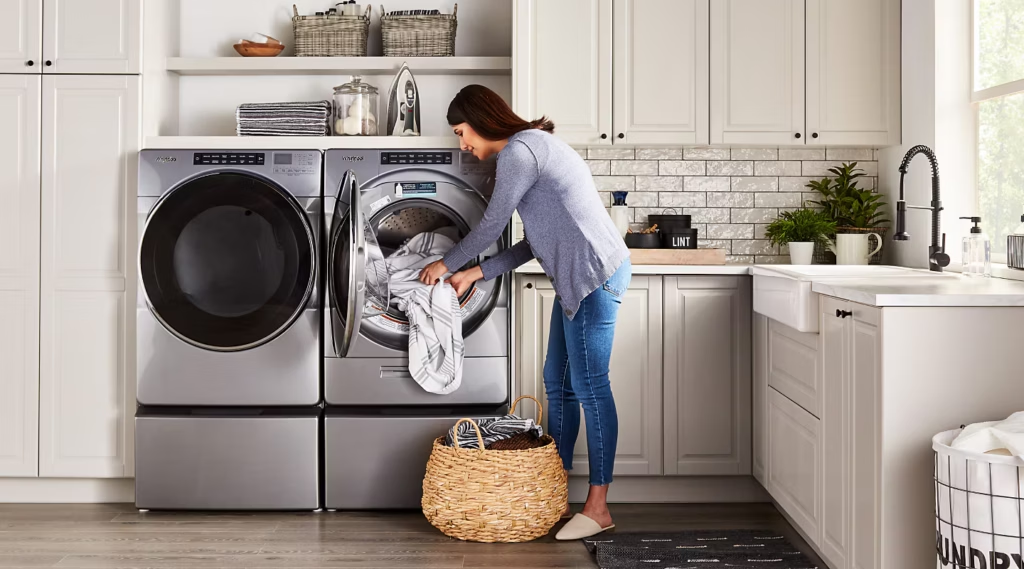

If a tumble dryer that previously worked well is now leaving laundry slightly damper than before, the most likely causes are a blocked or dirty filter, overloading, an incorrect programme selection, or – on sensor dryers – a residue coating on the moisture sensors inside the drum. Work through the simple checks first before concluding there is a mechanical fault.
Common Causes of Poor Drying Performance

Blocked or dirty filter
A full or partially blocked lint filter restricts airflow through the drum, reducing drying efficiency significantly. The filter should be cleaned after every cycle – even a half-full filter noticeably reduces performance. On condenser dryers there may also be a secondary condenser filter that requires periodic cleaning. Check the instruction manual for all filter locations. See our guide on tumble dryer filter cleaning and fire risk.

Overloading the drum
An overloaded drum cannot tumble laundry freely. Hot air cannot circulate through items that are packed together. The result is that laundry on the outside of the load dries but items at the centre remain damp, and the cycle ends with moisture still in the load. Reduce the load size and retest.

Wrong programme or option
Many modern dryers include programmes designed to finish with laundry slightly damp – intended for items that will be ironed. If the dryer appears to be cycling normally but leaving clothes slightly damp, check the instruction manual to confirm the programme being used is a full dry rather than an iron-dry or damp-finish setting. Some option buttons also modify the dryness level.

Moisture sensor contamination (sensor dryers)
Modern tumble dryers use moisture sensors – metal strips inside the drum that detect electrical conductivity from damp laundry. When laundry is dry, conductivity drops and the dryer ends the cycle. Limescale, fabric softener residue, or cleaning agents can build up a thin invisible coating on these sensors, reducing their sensitivity. This causes the dryer to end the cycle prematurely, leaving laundry slightly damp. This fault is specifically mentioned in manufacturer technical documentation as a known issue.
How to Clean the Moisture Sensors
If the dryer appears otherwise functional – heating correctly, drum turning, timer running normally – but consistently leaves laundry slightly damper than it used to, moisture sensor contamination is worth investigating.
-
Locate the moisture sensors inside the drum.
The sensors are metal strips or bars, usually positioned on the front face of the drum interior – typically near the door opening. They are smooth metallic strips, usually two of them, running parallel to each other. Consult the instruction manual if they are not immediately visible.
-
Clean with a vinegar-based cleaner or white vinegar on a cloth.
Wipe the sensor strips and the surrounding drum interior firmly with a cloth dampened with white vinegar or a vinegar-based cleaning product. The acetic acid in vinegar dissolves limescale and fabric softener residue without damaging the drum or sensors. Clean the drum paddles at the same time.
-
Allow to dry and run a test load.
Allow the drum to air dry before running a test load of cottons on a full dry programme. Check whether laundry comes out fully dry. If drying performance has improved, sensor contamination was the cause.
Dryer sheets (fabric softener sheets) leave a residue coating on drum surfaces including the moisture sensors. Regular use of dryer sheets is a common cause of sensor contamination and deteriorating drying performance over time. Wool dryer balls or liquid fabric softener in the washing machine are alternatives that do not affect the sensors.
If the Dryer Is Not Heating at All
The checks above apply when the dryer appears to be working but is leaving laundry slightly damp. If the dryer is not producing any heat and laundry is coming out wet and cold, this is a different fault – see our guide on tumble dryer not heating for the relevant diagnosis.
Tumble Dryer Guides
Related Guides
 Tumble Dryer Not Heating
When the dryer runs but produces no heat – element, thermostat, and thermal fuse diagnosis.
 Tumble Dryer Filter – Fire Risk and Performance
Why a blocked filter reduces drying performance and creates a fire risk – and how often to clean it.
Condenser Dryer Causing CondensationWhy condenser dryers affect the room environment even without a vent hose.
 Appliance User Manuals
Download the instruction manual for your dryer – essential for confirming programme settings and sensor locations.
Frequently Asked Questions
Why is my tumble dryer leaving clothes damp?
The most common causes are a blocked lint filter reducing airflow, overloading the drum preventing free tumbling, a programme set to finish with damp laundry for ironing, or (on sensor dryers) a coating of limescale or fabric softener residue on the moisture sensors. Clean the filter, reduce the load size, and check the programme selection before investigating sensor contamination.
What are the moisture sensors in a tumble dryer?
Moisture sensors are metal strips inside the drum, usually near the door opening, that detect the electrical conductivity of damp laundry. When conductivity drops – indicating laundry is dry – the dryer ends the cycle. If residue coats the sensors, they read as if laundry is dry before it actually is, ending the cycle prematurely. Cleaning with white vinegar restores their sensitivity.
How do I clean tumble dryer moisture sensors?
Locate the metal sensor strips inside the drum – typically smooth parallel strips near the door opening. Wipe them firmly with a cloth dampened with white vinegar or a vinegar-based cleaning product. This dissolves limescale and fabric softener residue without damaging the sensors or drum. Allow to dry before running a test load.
Ask the repair forum
Post the make, model and symptoms and get help from the Whitegoods Help community.
4 Comments
Grouped into 4 comment threads.
0 replies barbarah - Can you use a tumble dryer without a vent hose?
0 replies we have inherited a 3 yrs old Bellers tumble dryer from the people who we bought the flat from. we want to keep it in a cupboard stacked on top of the washing machine. It is not a condensor dryer so how can we dry the clothes without having a venting pipe or window nearby?
we have inherited a 3 yrs old Bellers tumble dryer from the people who we bought the flat from.
we want to keep it in a cupboard stacked on top of the washing machine.
It is not a condensor dryer so how can we dry the clothes without having a venting pipe or window nearby?
0 replies The article is about tumble dryers sandralevy. If it's drying but not leaving them as dry as they used to then it could be related to this issue but if it isn't getting hot at all it must be a different fault.
The article is about tumble dryers sandralevy. If it’s drying but not leaving them as dry as they used to then it could be related to this issue but if it isn’t getting hot at all it must be a different fault.
0 replies I have tumble dryer ONLY it is not getting hot. Not a washingmachine and dryer combination
I have tumble dryer ONLY it is not getting hot. Not a washingmachine and dryer combination
barbarah – Can you use a tumble dryer without a vent hose?