
What temperature should you wash bed sheets at?
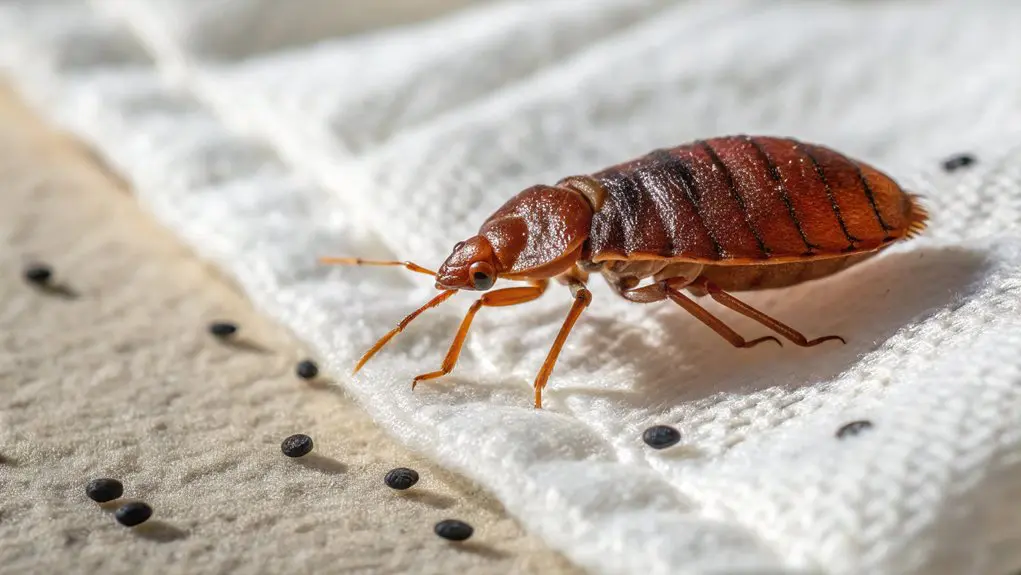

Wash cotton bed sheets, duvet covers, and pillowcases at 60 degrees to kill bed bugs, dust mites, and bacteria. Once a week is the recommended frequency for effective hygiene. Non-cotton bedding should be checked against the care label – some synthetic and blended fabrics cannot tolerate 60 degrees and may need alternative treatment.

Bed bugs and their eggs survive cold and warm wash cycles. Cotton bedding should be washed at 60 degrees to kill bed bugs, dust mites, and bacteria. Always check the care label first – not all bedding fabrics can tolerate 60 degrees.
What Temperature Kills Bed Bugs?
Bed bugs are killed by sustained exposure to high temperatures. A wash at 60 degrees for a standard cycle duration is sufficient to kill bed bugs and their eggs in most domestic washing machines. Lower temperatures – including 30 and 40 degree washes that have become common for energy efficiency – do not reliably kill bed bugs or their eggs, and may leave a population alive in bedding that has been through the machine.
| Wash temperature | Bed bugs killed? | Dust mites killed? | Bacteria reduced? |
|---|---|---|---|
| 30°C | No | No | Minimal reduction |
| 40°C | No | Partially | Some reduction |
| 60°C | Yes | Yes | Significant reduction |
| 90°C | Yes | Yes | Maximum reduction |
The NHS and public health guidance recommends washing bedding at 60 degrees as the minimum for effective hygiene. Weekly washing at this temperature is the standard recommendation for maintaining clean sleeping conditions.
Can All Bedding Be Washed at 60 Degrees?
Cotton bedding generally tolerates 60 degree washes well. Many other fabrics do not. Before washing any bedding at 60 degrees, check the care label:
-

Cotton and cotton-polyester blends: Most tolerate 60 degrees. Check the care label – a few high-thread-count or specially finished cottons may be rated lower. -
Microfibre, bamboo, and silk bedding: These fabrics are typically rated for lower temperatures – 30 to 40 degrees. Washing at 60 degrees can shrink, damage, or distort these materials. Check the label and use the maximum stated temperature. -
Duvet inners and pillows: These may require specific wash programmes and temperature limits. Check the label – many synthetic duvets and pillows can be washed at home but at lower temperatures. Natural fills (down, wool) have their own care requirements. -
If the care label says 40°C maximum: Washing at 60 degrees risks permanent damage. Use an alternative approach for bed bugs – such as tumble drying on a high heat setting, which can also kill bed bugs, or professional laundering.
The Downside of Always Washing at Low Temperatures
The widespread shift to 30 and 40 degree washes for energy efficiency has an unintended consequence: the machine itself can accumulate grease, detergent residue, and bacteria more quickly without the occasional high-temperature wash to clean the drum and internal components.
Running a 60 degree bedding wash weekly also acts as a partial maintenance wash for the machine – the higher temperature helps clear the internal build-up that low-temperature washing promotes. See our guide on washing machine smells and internal build-up for more on this.
For a full discussion of the trade-offs of low-temperature washing, see our guide on washing at 30 degrees – what you need to know.
Related Guides
Related Guides
 Washing Machine Smells and Mould
Why low-temperature washing causes grease and mould build-up inside the machine – and how to prevent it.
 Washing at 30 Degrees
The five things to know about low-temperature washing – energy saving, hygiene trade-offs, and machine maintenance.
 White Bedding Going Grey
Why white cotton bedding turns grey over time and how to restore whiteness.
 Washing Dog Bedding
Temperature and programme guidance for washing pet bedding – similar hygiene considerations apply.
Frequently Asked Questions
What temperature kills bed bugs in the washing machine?
60 degrees is the minimum effective temperature for killing bed bugs and their eggs in a washing machine. Lower temperatures – including 40 degrees – do not reliably kill bed bugs. The NHS recommends washing bedding at 60 degrees at least once a week for effective hygiene. Always check the care label before washing at this temperature as some fabrics cannot tolerate it.
How often should bedding be washed?
Cotton bed sheets, duvet covers, and pillowcases should be washed at least once a week at 60 degrees to control bed bugs, dust mites, and bacteria. More frequent washing may be appropriate in households where allergies, pets, or illness are a consideration.
What can I do if my bedding cannot be washed at 60 degrees?
For fabrics rated below 60 degrees, alternative options include tumble drying on a high heat setting (sustained heat of over 60 degrees in a tumble dryer for at least 30 minutes can also kill bed bugs), using a steam cleaner on the mattress and bedding surface, or having affected items professionally cleaned at a higher temperature. For severe bed bug infestations, professional pest control treatment of the room is the most effective approach.
Ask the repair forum
Post the make, model and symptoms and get help from the Whitegoods Help community.
7 Comments
Grouped into 6 comment threads.
0 replies Just put your duvet in a chest freezer for a couple of hours, kills the little buggers, then wash as normal, or just buy a new duvet every year or so.
0 replies If I drink more whisky will they get drunk when they suck my blood? Is there a test one can do to see if we suffer from an infestation? I blame it on the goverments banning certain incectisides, maybe bring back things like DDT.
If I drink more whisky will they get drunk when they suck my blood?
Is there a test one can do to see if we suffer from an infestation?
I blame it on the goverments banning certain incectisides, maybe bring back things like DDT.
1 reply we have bed bugs !!help,we can't afford expensive sprays and creams!!! help!!
0 replies agree with julia only HOT water above 60C or 135F will be effective, but dryer on high is the best, it desiccates the bugs so they die, they will not survive hot water and hot air. i always wash my bedding that way as well i use an allersac when i travel, it can also be washed in hot water and hot air
agree with julia only HOT water above 60C or 135F will be effective, but dryer on high is the best, it desiccates the bugs so they die, they will not survive hot water and hot air. i always wash my bedding that way as well i use an allersac when i travel, it can also be washed in hot water and hot air
0 replies The thing is to wash at above 60 degrees, not at 60. The cost & bother of losing a few garments is as nothing to the misery of living with a long-term bed bug infestation. Transfer washed garments directly to a drier & dry on "hot" for an hour - longer for duvets, coats, blankets, etc. You need to shrivel all the eggs & crisp up the bugs completely. I really wouldn't rely on Bedsafe to do anything excpet give a scent of lavender to the room. This quote is from the Crown Supplies site mentioned above; "Bed Safe BedBug Protection. Bedsafe unique formulation is designed to eradicate dust mites (Bed Bugs) from your bed and significantly decreases the chances of Astma and Eczma." Oh my wordy, where do we start? Bed bugs (Cimex lectularis and Cimex hemipterus) ARE NOT DUST MITES (Dermatophagoides pteronyssinus). Dust are microscopic (around 420 micrometers) in size and feed on on shed skin & other tiny debris; their faeces are irritant to many asthma sufferers & can provoke allergic reactions. Bed bugs are 1 to 4 milimeters in size & are cryptic haematopahageous insects (hard-to-track-down bloodsuckers). The spray does not appear to contain any of the few specific insecticides effective against bedbugs & in any case, to be at all effective, those chemicals would have to be applied in formulations only available to qualified pest controllers. Bed bugs have no aversion whatever to lavender, as the marketing materials for Bed Safe seem to suggest. Anyone who happens across this post looking for help & info on bedbugs, try; Bedbuggers.com or bedbugbeware.com for detailed help and some scare stories to convince you to act quickly; as soon as ever you suspect you may have a bug problem.
The thing is to wash at above 60 degrees, not at 60. The cost & bother of losing a few garments is as nothing to the misery of living with a long-term bed bug infestation. Transfer washed garments directly to a drier & dry on “hot” for an hour – longer for duvets, coats, blankets, etc. You need to shrivel all the eggs & crisp up the bugs completely.
I really wouldn’t rely on Bedsafe to do anything excpet give a scent of lavender to the room. This quote is from the Crown Supplies site mentioned above; “Bed Safe BedBug Protection.
Bedsafe unique formulation is designed to eradicate dust mites (Bed Bugs) from your bed and significantly decreases the chances of Astma and Eczma.”
Oh my wordy, where do we start? Bed bugs (Cimex lectularis and Cimex hemipterus) ARE NOT DUST MITES (Dermatophagoides pteronyssinus). Dust are microscopic (around 420 micrometers) in size and feed on on shed skin & other tiny debris; their faeces are irritant to many asthma sufferers & can provoke allergic reactions. Bed bugs are 1 to 4 milimeters in size & are cryptic haematopahageous insects (hard-to-track-down bloodsuckers).
The spray does not appear to contain any of the few specific insecticides effective against bedbugs & in any case, to be at all effective, those chemicals would have to be applied in formulations only available to qualified pest controllers.
Bed bugs have no aversion whatever to lavender, as the marketing materials for Bed Safe seem to suggest.
Anyone who happens across this post looking for help & info on bedbugs, try; Bedbuggers.com or bedbugbeware.com for detailed help and some scare stories to convince you to act quickly; as soon as ever you suspect you may have a bug problem.
0 replies A good way to treat and prevent against bed bugs is to use a product called bedsafe. I bought on ebay and after having tried several different products i was glad to find one that finaly worked. It can also bought direct at www.crownsupplies.co.uk for a bout £10
A good way to treat and prevent against bed bugs is to use a product called bedsafe. I bought on ebay and after having tried several different products i was glad to find one that finaly worked. It can also bought direct at http://www.crownsupplies.co.uk for a bout £10
Just put your duvet in a chest freezer for a couple of hours, kills the little buggers, then wash as normal, or just buy a new duvet every year or so.