
Dishwasher Not Cleaning Dishes Properly
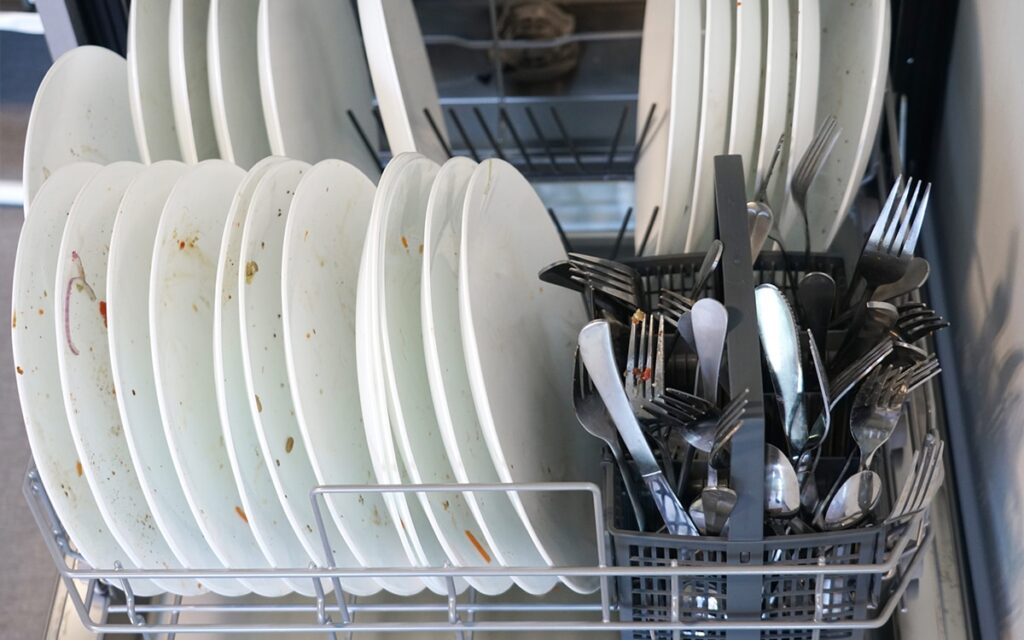
Dishwasher Not Cleaning Dishes Properly
If your dishwasher is completing its cycle but dishes are coming out dirty, greasy, or smelling stale, the cause is almost always one of a small number of common and fixable issues. This guide covers every likely cause in order of how often it occurs, with clear checks for each one, so you can identify and resolve the problem without calling an engineer.

The most common causes of a dishwasher not cleaning properly are: a blocked filter, blocked or jammed spray arms, the detergent compartment not opening, low salt or rinse aid, the wrong wash cycle selected, poor loading, or low-quality detergent. Work through each check below before assuming the machine has a mechanical fault. Most cleaning problems are resolved without an engineer.
How to Diagnose the Problem: What Are You Actually Seeing?
Before working through the checks below, it helps to be specific about what the dirty result looks like. Different symptoms point to different causes.
Suggests the water is not reaching all items effectively. Most likely: blocked filter, blocked spray arms, poor loading, detergent compartment not opening, or wrong cycle selected.
Suggests a salt or rinse aid issue, or hard water mineral deposits. See our dedicated guide: streaks, spots, and lime deposits on dishes and glasses.
Suggests low wash temperature, detergent not dispensing properly, or poor quality detergent. A very short or eco cycle may not be reaching a temperature sufficient to cut through grease effectively.
Suggests a dirty filter or food debris inside the machine. A blocked filter is one of the most common causes of poor dishwasher performance and is entirely user-serviceable without tools.
The Most Common Causes and How to Check Each One
1. Blocked or Dirty Filter
The filter is the single most commonly overlooked cause of poor dishwasher performance. It sits at the bottom of the dishwasher tub and traps food particles to prevent them recirculating onto dishes during the wash. Over time, food debris, grease, and limescale build up in the filter, restricting water flow and causing the machine to wash with dirty, contaminated water.
Most dishwasher filters consist of two parts: a cylindrical mesh filter that twists out, and a flat filter plate beneath it. Both need regular cleaning. Remove them, rinse under a hot tap, and use a soft brush to clear any stubborn deposits. The instruction manual will show how to locate and remove the filter for your specific model.

For a typical household using the dishwasher daily, clean the filter at least once a month. If you wash heavily soiled items or do not pre-rinse, clean it every two weeks. A blocked filter is the most common cause of a dishwasher that used to clean well but has gradually deteriorated.
2. Blocked or Jammed Spray Arms
The spray arms distribute water and detergent throughout the dishwasher during the wash cycle. Most machines have two, one beneath the lower basket and one beneath the upper basket, and some have a third above the upper basket. If a spray arm is blocked or cannot rotate freely, entire sections of the wash load receive little or no water.
-
Check rotation. Before running a cycle, spin each spray arm by hand. It should rotate freely with minimal resistance. If it feels stiff or catches, identify what is obstructing it. A tall item in the lower basket is the most common cause of the upper arm being blocked.
-
Remove and inspect the arms. Follow the instruction manual to remove each spray arm. Hold each one up to a light and look through every hole along its length. Food particles, particularly seeds, small bones, and softened plastic, are the most common blockages.
-
Clear the blockages. Use a toothpick or thin wire to clear each blocked hole. Rinse the arm under a hot tap while covering alternate holes to force water through the blocked ones.
-
Refit and test. Refit the spray arms securely and run a cycle. The water jets from these holes are what cause the arms to rotate, so even partial blockages reduce coverage and performance significantly.
3. Detergent Compartment Not Opening
Most dishwashers have a spring-loaded detergent compartment in the door. At a set point during the wash cycle, the cover opens to release the tablet or powder into the water. If a plate, dish, or tray is positioned directly in front of this compartment, the cover cannot open fully, and the detergent either stays inside the compartment or dissolves only partially, significantly reducing cleaning performance.
To check: at the end of a poor-wash cycle, open the door and look inside the detergent compartment. If the tablet is intact or only partially dissolved, the compartment was not opening properly. Ensure the zone directly in front of the detergent compartment is always clear when loading the lower basket.
4. Salt and Rinse Aid Levels
Dishwasher salt regenerates the ion exchange resin in the machine’s built-in water softener. Without sufficient salt, hard water minerals are not removed from the water, which prevents detergent from working effectively and causes limescale accumulation inside the machine. This is particularly important in hard and very hard water areas across much of the UK.
Rinse aid helps water sheet off dishes and glassware cleanly during the final rinse, preventing water spots, streaks, and residue. Check both reservoirs and top them up as needed. Most machines have indicator lights or displays that signal when salt or rinse aid is low, but these indicators can sometimes be slow to respond.
Many all-in-one tablets claim to include salt and rinse aid functionality. However, in hard water areas, separate salt is still strongly recommended even when using multi-tab detergents. Additionally, most dishwashers need to be calibrated to use these tablets properly. Read our guide: have you calibrated your dishwasher for multi-tab detergent?
5. Wrong Wash Cycle Selected
Different programmes offer significantly different wash temperatures, water pressure, and cycle duration. An eco or quick cycle uses less water and energy by washing at a lower temperature for a shorter time. This is appropriate for lightly soiled items but will not effectively clean heavily soiled dishes, pots, or oily items.
Check the instruction manual to understand what each programme is designed for. Use the most appropriate cycle for the load. Pay attention to any option buttons that modify wash intensity, such as an intensive zone, extra dry, or high-temperature options, which are frequently overlooked but can make a significant difference on heavily soiled loads.
6. Poor Loading
Incorrect loading prevents water and detergent from reaching all items. A dish blocking another, a bowl facing the wrong direction, or a large item shielding smaller ones from the spray arms can all cause isolated dirty results. If only one or two specific items regularly come out dirty, poor loading is almost certainly the cause.
 Load correctly
Plates facing inward toward the spray arms. Glasses and cups angled so water drains out rather than pooling. No large items blocking the detergent compartment. No items preventing the spray arms from rotating. Cutlery handles down in the basket, knives handles up for safety.
 Common loading mistakes
Bowls or cups placed right-side up so they fill with water. Large baking trays or chopping boards positioned in front of the spray arm or detergent compartment. Items nested together so water cannot reach the surfaces between them. Glasses touching and blocking each other.
7. Poor Quality or Wrong Type of Detergent
The quality of dishwasher detergent makes a material difference to wash results. Independent consumer testing consistently shows significant variation in performance between products at different price points. Some budget detergents leave food residue, grease, or marks that better-performing alternatives remove cleanly.
Detergent type also matters. Tablets, powder, and gel behave differently, and some suit particular water hardness levels or machine types better than others. If you have recently switched to a cheaper detergent and noticed a drop in performance, switching back or trying a premium alternative is worth doing before investigating any other cause. See our guide: which is the best dishwasher detergent?
8. Low Water Temperature
Dishwashers heat their own water internally, but the incoming water temperature affects how quickly the target temperature is reached and how long the machine spends at maximum temperature. If the incoming water supply is very cold, or if the machine’s heating element is not performing as it should, wash temperatures may be lower than the selected programme requires.
A dishwasher that cleaned well previously but has gradually deteriorated in performance, with greasy residue appearing more frequently, may have a partially failing heating element. This is more difficult to diagnose at home and, if other causes have been ruled out, is a reason to have an engineer check the machine.
Step-by-Step Diagnostic Checklist
Work through these checks in order before concluding the machine has a mechanical fault.
- Clean the filter. Remove, rinse, and scrub both filter components under a hot tap. This is the most common cause of gradually deteriorating performance.
- Inspect the spray arms. Remove each arm, check rotation is free, and clear any blocked holes. Refit securely.
- Check the detergent compartment. Run a cycle and check whether the tablet has fully dissolved at the end. If not, the compartment lid is being blocked. Rearrange the lower basket to ensure the area in front of it is clear.
- Top up salt and rinse aid. Check both reservoirs and fill if needed. Do not rely solely on indicator lights.
- Select the right programme. Use an intensive or high-temperature programme for heavily soiled loads. Eco and quick cycles are not suitable for all loads.
- Review your loading technique. Ensure all items face the spray arms, nothing blocks the arms from rotating, and no item sits in front of the detergent compartment.
- Try a better detergent. If you are using a budget product, switch to a well-reviewed premium tablet and run a full cycle to compare results.
- Run a maintenance wash. An empty hot cycle with a dishwasher cleaner removes grease, limescale, and odour-causing residue from inside the machine. Do this monthly if the machine is used daily.
When to Call an Engineer
If all of the above checks have been completed and cleaning performance remains poor, a mechanical or electronic fault is more likely. The most probable causes at this point are a failing heating element, a pump that is not circulating water at full pressure, or a water inlet issue causing the machine to wash with insufficient water volume.
These are not user-serviceable faults and require an engineer with appropriate test equipment to diagnose accurately. Before booking, note exactly what the problem is, which cycle was used, and what checks you have already carried out. This helps the engineer diagnose faster and reduces the risk of a wasted visit.
Related Dishwasher Guides
Streaks, spots, and lime deposits on dishes
If the issue is white marks, water spots, or limescale rather than food residue, this dedicated guide covers the specific causes and fixes
Calibrating your dishwasher for multi-tab detergent
Most dishwashers need adjusting when you switch to 3-in-1 or all-in-one tablets. How to do it and why it matters
Which dishwasher detergent is best?
Independent guidance on detergent performance, the difference between tablet, powder, and gel, and what actually produces the best results
All dishwasher guides
The full Whitegoods Help dishwasher section, covering faults, buying advice, error codes, and maintenance
Still not cleaning properly after all the checks?
If you have worked through every check above and the problem persists, a mechanical fault is the likely cause. NAC Repair provides same-day and next-day nationwide dishwasher repairs with transparent pricing and all work guaranteed.
Frequently Asked Questions
Why is my dishwasher not cleaning properly even though it finishes the cycle normally?
If the cycle completes in normal time, the machine itself is working. The most likely causes are: a dirty or blocked filter, blocked spray arm holes, the detergent compartment not opening due to something blocking it, low salt or rinse aid, the wrong wash cycle for the load, poor loading technique, or low-quality detergent. Work through the checklist above before concluding there is a mechanical fault.
How do I check if my dishwasher spray arms are blocked?
Remove the spray arms following the instruction manual for your model. Hold each arm up to a light source and look through every hole. Blocked holes will be visibly obstructed. Clear them with a toothpick or thin wire and rinse the arms under a hot tap. Also check that each arm spins freely before running a cycle, since an item in the baskets can prevent them rotating even if the holes are clear.
Why is my dishwasher tablet not dissolving?
The most common cause is something blocking the detergent compartment cover, preventing it from opening during the wash. A large plate, baking tray, or dish positioned directly in front of the compartment is typically responsible. Ensure the area in front of the detergent compartment is always clear when loading. If you use multi-tab or 3-in-1 tablets, also check whether your dishwasher has been calibrated for this type: calibrating for multi-tab detergent.
Does dishwasher salt really make a difference?
Yes, particularly in hard and very hard water areas. Dishwasher salt regenerates the ion exchange resin in the machine’s built-in water softener. Without it, hard water minerals prevent detergent from working effectively, cause limescale build-up inside the machine, and produce white spots and streaks on dishes. Separate salt is recommended even if you use 3-in-1 tablets that claim to include salt functionality.
How often should I clean my dishwasher filter?
For daily use, clean the filter at least once a month. If you wash heavily soiled items or rarely pre-rinse dishes, clean it every two weeks. A filter that has not been cleaned for several months is often the sole cause of a dishwasher that has gradually started producing worse results. It takes less than five minutes and requires no tools.
Can a cheap detergent really cause poor cleaning results?
Yes. Independent consumer testing consistently shows significant performance differences between dishwasher detergents. Some budget products leave food residue, grease, and marks that better-performing alternatives remove cleanly. If you have recently switched to a cheaper product and noticed a drop in performance, the detergent is likely the cause. See our guide: which is the best dishwasher detergent?
My dishwasher used to clean well but has gradually got worse. What has changed?
Gradual deterioration in cleaning performance almost always indicates a blocked filter or blocked spray arms that have not been cleaned for some time. These build up slowly and the drop in performance is so gradual it can go unnoticed until dishes start coming out visibly dirty. Clean both thoroughly and run a maintenance wash with a dishwasher cleaner product. If performance does not improve, a partially failing pump or heating element may be responsible and an engineer visit is warranted.
Ask the repair forum
Post the make, model and symptoms and get help from the Whitegoods Help community.
0 Comments