
Tumble Dryer Takes Too Long to Dry?
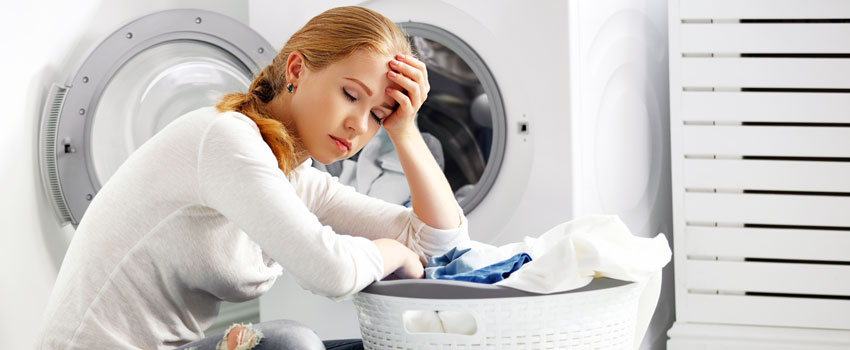

A tumble dryer that takes too long to dry is most commonly caused by a blocked lint filter, a full water container on condenser models, a blocked or kinked exhaust hose on vented models, or an overloaded drum. These are all things you can check yourself. If the machine is running hot but still not drying efficiently, a blocked condenser unit or a faulty heating element or thermostat is likely. Work through the checks in this guide before booking a repair.
How long should a tumble dryer take to dry a load?
A typical tumble dryer cycle for a full load of cotton items takes between 45 and 75 minutes on a standard heat setting, depending on the drum size, the type of dryer, and how wet the laundry is going in. Heat pump dryers run at lower temperatures and typically take longer – between 90 minutes and two hours for a full cotton load – but compensate with significantly lower energy consumption.
If your dryer is regularly taking two or more cycles to dry a load that it previously dried in one, or if cycle times have noticeably increased without any change in your laundry habits, something is restricting its performance. The good news is that the most common causes are straightforward maintenance issues rather than component failures.
What causes a tumble dryer to take too long to dry?

The lint filter catches fibres released from your laundry during drying. When it becomes clogged, airflow through the drum is restricted, moisture cannot escape efficiently, and drying times increase significantly. A heavily blocked lint filter is the single most common cause of a tumble dryer performing poorly, and the fix takes less than a minute. The filter should be cleaned after every single load – not weekly, not monthly, every use.

Condenser tumble dryers collect the moisture extracted from your laundry in a removable water container rather than venting it outside. When this container is full, the dryer has nowhere to put the moisture it extracts and drying performance drops sharply. On most machines a warning light illuminates when the container needs emptying, but some users miss or dismiss the light and run further cycles without emptying it. The container should be emptied after every cycle, or at minimum when the indicator light activates.

Behind the water container in a condenser or heat pump dryer sits the condenser unit itself – a grid of fine fins that cools the moist air drawn from the drum and causes the moisture to condense into water. Over time, lint and dust accumulate on these fins and reduce their efficiency. Unlike the lint filter, which catches the bulk of the debris, the condenser builds up more slowly, but once it reaches a significant level of blockage the dryer’s ability to extract moisture drops measurably. Most manufacturers recommend cleaning the condenser every one to three months.

Vented tumble dryers expel warm, moist air through a flexible hose that must terminate outside the building. If this hose is kinked, crushed, partially blocked by lint, or venting into an inadequate space, the hot damp air cannot escape freely and the dryer takes much longer to dry. The hose should also be as short and straight as possible – each bend adds resistance, and a hose longer than 2.5 metres significantly impairs performance. An external vent cover blocked by debris is also a common cause that is easy to overlook.

Tumble dryers work by tumbling laundry through a stream of warm air. When the drum is too full, clothes cannot move freely, the airflow cannot penetrate the load evenly, and the outer items dry while the centre of the load remains damp. Drying times double or the machine runs repeatedly without fully drying the load. As a general guide, fill the drum no more than half to two-thirds full for efficient drying. For large or bulky items such as towels and bedding, load even less.

A tumble dryer removes moisture from laundry, but it works best when the laundry has already been spun to a reasonable degree of dryness by the washing machine. If your washing machine’s spin cycle is not performing correctly, or if you are transferring clothes that have only been spun at a low speed, the dryer has significantly more work to do and cycle times increase accordingly. Check that your washing machine is completing its spin cycle fully and at the correct spin speed for the fabric type.

Tumble dryers contain one or more thermostats that regulate the operating temperature, and a thermal cutout that trips if the machine overheats. If a thermostat develops a fault and causes the dryer to run at a lower temperature than intended, drying times increase without any obvious external cause. A tripped thermal cutout may allow the drum to continue running while the heating element is disabled, giving the appearance of a functioning dryer that simply will not dry. Both components can be tested and replaced.

If the heating element in the dryer is partially failing, it may still generate some heat but not enough to dry clothes efficiently within a normal cycle time. The dryer will feel warm but noticeably less hot than it should, and clothes may come out slightly damp even after an extended cycle. A failing element will typically fail completely over time, at which point the dryer will run cold. Element replacement is a straightforward repair for an experienced engineer or confident DIY repairer.

The door seal creates an airtight closure between the drum and the outer cabinet, ensuring that warm air is drawn through the laundry rather than leaking around it. A perished or damaged door seal allows heat to escape and reduces the efficiency of airflow through the drum. On vented dryers this can also cause warm damp air to vent into the room rather than through the exhaust hose. Inspect the seal around the full perimeter of the door for tears, flattening, or sections that have pulled away.

Most modern tumble dryers use one or two moisture sensor bars inside the drum to detect when laundry has reached the target dryness level and end the cycle automatically. If these sensors become coated with residue from fabric conditioner or dryer sheets, they can give inaccurate readings and either end the cycle too early or, conversely, fail to register that clothes are dry and continue running well beyond the point needed. The sensor bars are typically two metal strips visible on the inside of the drum near the door and can be cleaned gently with a soft cloth and a small amount of white vinegar.
What should you check first if your tumble dryer is slow?
Work through these checks in order before assuming a component fault. The first three resolve the great majority of slow-drying complaints.

Always unplug the dryer from the mains before removing or cleaning the condenser unit or accessing any internal parts. Do not use hot water on the condenser as this can damage the fins. Check your model’s manual for the specific procedure, as condenser access varies between manufacturers.
-
Clean the lint filter. Remove the lint filter – usually located just inside the door opening – and peel away all accumulated fluff. Hold it up to the light; you should be able to see through the mesh. If you cannot, it needs a more thorough clean under warm running water with a soft brush. Allow it to dry completely before refitting, and make a habit of cleaning it after every single load going forward.
-
Empty and check the water container (condenser and heat pump dryers). Pull out the water container and empty it fully. While it is out, check inside the housing for any lint accumulation around the container slot and wipe it clean if needed. Refit the container firmly, ensuring it is fully seated. If the container warning light was on and you run a cycle after emptying it, monitor whether it fills unusually quickly – which can indicate that the condenser unit also needs cleaning.
-
Clean the condenser unit (condenser and heat pump dryers). With the machine unplugged, locate the condenser access panel – usually at the bottom front of the machine behind a small door. Remove the condenser unit and rinse it thoroughly under a cold tap, directing water through the fins from both directions to flush out accumulated lint and dust. Allow it to dry fully before refitting. This should be done every one to three months as part of routine maintenance.
-
Check the exhaust hose (vented dryers). Trace the full length of the exhaust hose from the back of the machine to its exit point. Check for kinks, sharp bends, or any point where the hose is compressed against a wall or cabinet, and ensure the hose is as short and straight as possible. Check the external vent cover for blockages – bird nesting material, leaves, and lint accumulation are all common causes. If the hose is heavily lined with lint internally, replace it rather than try to clean it. Replacement hoses are available through our appliance spare parts section.
-
Reduce the load size. If you are loading the drum to capacity, try reducing the load by a third and running a cycle. If drying times improve significantly, overloading was the cause. Heavy items such as jeans, hoodies, and towels hold significantly more water than lightweight fabrics and benefit particularly from smaller loads.
-
Clean the moisture sensor bars. On auto-dry cycle dryers, locate the two metal sensor bars inside the drum, usually positioned near the door on the drum’s inner edge. Wipe them gently with a soft cloth dampened with a small amount of white vinegar to remove any residue coating, avoiding abrasive materials that could scratch the sensor surface. Run a test cycle after cleaning to assess whether sensor accuracy has improved.
How can you diagnose a slow tumble dryer by symptom?
| Symptom | Most likely cause | First check |
|---|---|---|
| Takes two or more cycles to dry a normal load | Blocked lint filter or overloading | Clean lint filter, reduce load size |
| Performance declined gradually over time | Lint filter and condenser both need cleaning | Clean filter, then clean condenser unit |
| Condenser dryer – water container fills very quickly | Condenser unit needs cleaning | Remove and rinse condenser unit thoroughly |
| Dryer feels warm but not hot, clothes damp after full cycle | Partial heating element failure or thermostat fault | Check thermal cutout first, then call engineer |
| Auto-dry cycle ends early, clothes still damp | Moisture sensor coated with fabric conditioner residue | Clean sensor bars with white vinegar |
| Vented dryer – room becomes very humid during cycle | Exhaust hose kinked, blocked, or venting internally | Check hose routing and external vent cover |
| Dryer runs but produces no heat at all | Heating element failed or thermal cutout tripped | See our tumble dryer not heating guide |
| Performance poor since installation | Exhaust hose too long or incorrectly routed | Check hose length and number of bends |
Still taking too long after working through these checks?
If the maintenance checks have not resolved the problem, a component fault such as a failing heating element, faulty thermostat, or damaged door seal is likely. Our engineers cover tumble dryer repairs across all major brands nationwide, and we stock genuine spare parts for most models.
How does the type of tumble dryer affect drying time?
The type of tumble dryer you have affects which checks are most relevant and what normal drying times look like. Understanding the difference helps you diagnose the problem more accurately.
Typical full cotton load on a vented tumble dryer
Typical full cotton load on a heat pump tumble dryer
Less electricity used by a heat pump dryer vs vented or condenser
Maximum drum fill for efficient drying – less for heavy fabrics
Vented tumble dryersExpel warm moist air directly outside through a flexible hose. Fastest drying times of the three types when the vent is unobstructed. If drying is slow, the exhaust hose is the first thing to check – kinks, blockages, and excessive hose length are all common causes. No water container to empty. Generally the most affordable type to buy and repair.
Condenser tumble dryersCollect moisture in a removable water container. No external hose needed, so they can be placed anywhere. Drying performance depends on both the lint filter and the condenser unit being kept clean. A full water container or blocked condenser are the most common causes of slow drying on this type. Slightly longer cycle times than vented dryers as standard.
 Heat pump tumble dryers
Use a refrigerant circuit to recycle heat rather than expelling it, making them the most energy-efficient type by a significant margin. They run at lower temperatures and therefore take longer than vented or condenser dryers – this is normal, not a fault. If a heat pump dryer is taking noticeably longer than it used to, a blocked condenser or lint filter is again the first thing to check. For more on how they work, see our guide to heat pump tumble dryers.
When does a slow tumble dryer need an engineer?
 You can resolve yourself
Blocked lint filter. Full water container. Blocked condenser unit. Kinked or too-long exhaust hose. Blocked external vent cover. Overloading the drum. Laundry too wet from insufficient spin. Dirty moisture sensor bars coated with fabric conditioner residue.
Likely needs an engineerFailing or failed heating element. Faulty thermostat running at reduced temperature. Tripped thermal cutout that does not reset after cooling. Worn door seal requiring replacement. Heat pump system fault on heat pump dryers. Control board fault affecting cycle management or temperature regulation.
How can you keep tumble dryer efficiency high going forward?
-
Clean the lint filter after every single load – this one habit makes the biggest difference to drying performance and running costs. -
Empty the water container after every cycle on condenser and heat pump dryers – do not wait for the warning light. -
Clean the condenser unit every one to three months on condenser and heat pump dryers, or more frequently if you do a high volume of laundry. -
Spin laundry at the highest appropriate spin speed in the washing machine before transferring to the dryer – the drier the laundry goes in, the quicker the cycle. -
Do not overload – half to two-thirds full is the maximum for efficient drying. Reduce further for heavy fabrics. -
Separate heavy and light fabrics where possible – mixing them means the lighter fabrics are over-dried before the heavier items are done. -
Use dryer balls rather than dryer sheets – they improve airflow through the load and can reduce drying time by 10 to 25%. Dryer sheets also leave residue on moisture sensor bars over time. -
Keep the exhaust hose short and straight on vented dryers, and check the external vent cover seasonally for blockages.

Always unplug your tumble dryer from the mains before accessing internal components including the condenser unit, lint duct, or drum interior. Never run a tumble dryer that is producing a burning smell, sparking, or showing signs of damage to the power cable. Never leave a tumble dryer running unattended or overnight. Clean the lint filter after every use – accumulated lint is the primary cause of tumble dryer fires. For full guidance, see our DIY appliance repair safety guide and our appliance safety guide.
Frequently asked questions about a tumble dryer taking too long to dry
Why does my tumble dryer take so long to dry clothes?
The most common causes are a blocked lint filter, a full water container on condenser models, a blocked condenser unit, or an overloaded drum. These are all maintenance issues you can resolve yourself. If the dryer feels less hot than it used to and is still slow after checking these, a partial heating element failure or thermostat fault is likely and will need an engineer. Work through the checks in this guide before booking a repair.
How often should I clean the lint filter on my tumble dryer?
After every single load, without exception. The lint filter is the most important maintenance item on a tumble dryer. A clogged filter restricts airflow, increases drying times, raises running costs, and significantly increases the risk of a dryer fire through heat accumulation and lint coming into contact with the heating element. Cleaning it takes seconds and should be part of transferring every load from washer to dryer.
How often should I clean the condenser on my tumble dryer?
Every one to three months is the standard recommendation for most condenser and heat pump tumble dryers, though heavy users may need to do it more frequently. The condenser is a secondary filter that catches finer lint particles that pass through the main lint filter. When it becomes heavily coated, drying performance drops measurably. Rinsing it under a cold tap until the water runs clear is all that is needed.
Is it normal for a heat pump tumble dryer to take longer than a standard dryer?
Yes, this is completely normal and expected. Heat pump dryers operate at lower temperatures than vented or condenser dryers, which means they take longer to dry a given load. Typical cycle times are 90 minutes to two hours for a full cotton load, compared with 45 to 75 minutes for a vented dryer. The trade-off is significantly lower energy consumption – heat pump dryers use up to 50% less electricity than conventional tumble dryers. If your heat pump dryer is taking noticeably longer than it used to, a blocked condenser or lint filter is the most likely cause.
Why does my tumble dryer leave clothes damp even after a full cycle?
If clothes are consistently coming out damp after a full timed cycle, first check that the lint filter and condenser (if applicable) are clean, and that you are not overloading the drum. On auto-dry cycle machines, dirty moisture sensor bars are a very common cause – fabric conditioner residue coats the sensor strips and causes them to misread the dryness level, ending the cycle too early. Clean the sensor bars with a cloth dampened with white vinegar. If the machine is running but producing little heat, the heating element or thermostat may need attention.
Can I fix a slow tumble dryer myself?
Many of the most common causes of slow drying are straightforward maintenance tasks that require no tools and no technical knowledge: cleaning the lint filter, emptying and cleaning the condenser, checking the exhaust hose, and reducing the load size. Cleaning the moisture sensor bars is also simple. Component replacements such as heating elements and door seals are within the capability of a confident DIY repairer with the correct parts, but faults involving the thermostat, thermal cutout, or heat pump system on heat pump dryers are better handled by an engineer. See our DIY appliance repair safety guide before attempting any internal repair work.
Could a slow tumble dryer be a fire risk?
Yes, indirectly. Lint accumulation is the leading cause of tumble dryer fires, and a slow-drying dryer is often a sign that lint is building up somewhere – in the filter, in the condenser, in the ducting, or in the lint duct behind the drum. If the dryer feels hotter than usual on the outside, smells of burning, or shows any sign of scorching on the lint filter or inside the drum, stop using it immediately, unplug it, and have it inspected by a qualified engineer before running another cycle.
Ask the repair forum
Post the make, model and symptoms and get help from the Whitegoods Help community.
0 Comments