
Heat Pump Tumble Dryers Explained: Are They Worth It?
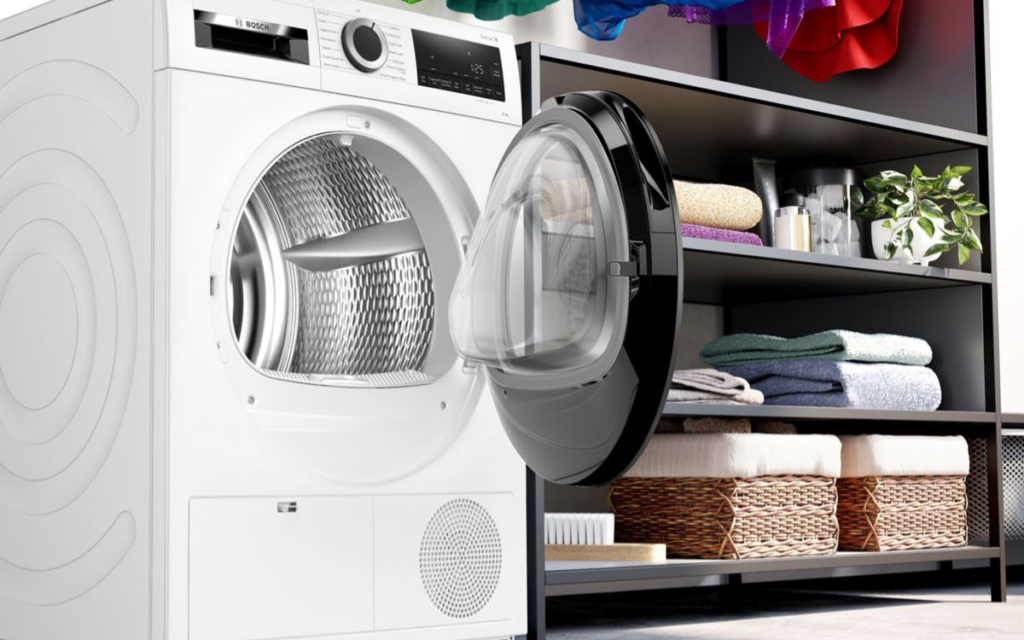

A heat pump tumble dryer recycles warm air through a closed-loop refrigerant system, using roughly 50% less electricity than a conventional dryer. They cost more to buy and take slightly longer per cycle, but for households that use a dryer regularly the running cost savings are substantial. For most families, they are worth the extra upfront investment.
What is a heat pump tumble dryer and how does it work?
A heat pump tumble dryer works on a fundamentally different principle to the standard vented or condenser dryers most people are familiar with. Instead of generating fresh heat for every cycle and wasting it, a heat pump dryer recycles the same warm air continuously using a refrigerant loop, similar to the system inside a fridge or air conditioning unit.
Warm air passes through the drum and picks up moisture from your laundry. It then flows over a cold evaporator coil, where the moisture condenses out and drains into a water tank. The now-dry air passes through the heat pump and is reheated before flowing back through the drum. The cycle repeats until the load is dry. No heat is wasted, and no external duct or vent is required.
The result is a dryer that uses significantly less electricity per load, operates at a gentler temperature, and achieves a far better energy rating than any conventional alternative on the market today.
How do heat pump, condenser and vented dryers compare?
Understanding how the three types differ makes it much easier to judge whether the extra cost of a heat pump model is right for your home. For a full breakdown of the two conventional types, see our guide to condenser versus vented tumble dryers.
| Feature | Vented | Condenser | Heat pump |
|---|---|---|---|
| How it works | Heats fresh air, expels damp air via external duct | Heats air, condenses moisture into internal tank | Recycles warm air via closed refrigerant loop |
| External vent required? | Yes | No | No |
| UK energy rating (2021 scale) | D to G | C to E | A to B |
| Approx. energy use per cycle | 3.0 to 5.0 kWh | 3.5 to 5.0 kWh | 1.0 to 2.0 kWh |
| Operating temperature | 70 to 80°C | 70 to 80°C | 45 to 55°C |
| Drying time (vs conventional) | Baseline | Similar to vented | Typically 20 to 40 min longer |
| Approximate purchase price | £150 to £350 | £200 to £500 | £350 to £1,200+ |
| Gentleness on fabrics | Standard | Standard | Better (lower operating heat) |
Energy ratings refer to the revised UK/EU energy label scale introduced in March 2021. Energy consumption figures are approximate, based on typical 7 to 8 kg full loads. Purchase prices are indicative and subject to change. Always verify current pricing with retailers before buying.
What are the advantages of a heat pump tumble dryer?

Heat pump dryers use roughly 50% less electricity per cycle than conventional models. For households running several loads a week, this translates into meaningful annual savings on electricity bills.

Operating at 45 to 55°C rather than 70 to 80°C, heat pump dryers are kinder to delicate items, elastics, and synthetic materials. Clothes are less likely to shrink or suffer heat damage over time.

Like condenser dryers, heat pump models collect moisture internally. You can install them almost anywhere with a power socket, without the need to run a duct through a wall or window.

Under the revised UK energy label introduced in March 2021, heat pump dryers are the only tumble dryers capable of achieving an A or B rating. Conventional dryers score C to E at best. See our guide to the most energy efficient tumble dryers for more detail.

Vented dryers pump warm, moisture-laden air into your home if not correctly ducted outside. Heat pump dryers contain all moisture internally, which helps prevent condensation problems in kitchens and utility rooms.

The lower operating temperatures and reduced airflow demands of heat pump dryers tend to make them quieter than conventional alternatives, though noise levels do vary between brands and models.
What are the disadvantages of a heat pump tumble dryer?
Heat pump dryers are not the right choice for every household. These are the main drawbacks to weigh up before buying.
 Higher purchase price
Entry-level heat pump dryers start at around £350, compared with £150 to £200 for a basic vented or condenser model. Premium heat pump dryers from brands such as Miele or AEG can exceed £1,000.
Longer drying times
Because they use lower temperatures, heat pump dryers typically take 20 to 40 minutes longer per cycle than a conventional machine. If you regularly need laundry dried in a hurry, this is a real practical consideration.
More maintenance required
Heat pump dryers have two filters – a lint filter and a heat exchanger – both of which need regular cleaning. Neglecting the heat exchanger is the most common cause of poor drying performance.
Performance can drop in cold environments
Most heat pump dryers are designed to operate in ambient temperatures of around 5 to 35°C. If you plan to install one in an unheated garage or outbuilding, performance may be reduced during cold winter months.
How much does a heat pump tumble dryer cost to run?
Running cost depends on the efficiency of the specific model, the size of the load, and your current electricity unit rate. The figures below are based on typical cycle energy consumption and are intended for comparison purposes only.
Typical heat pump dryer energy use per cycle (7 to 8 kg load)
Typical conventional condenser or vented dryer energy use per cycle

The actual running cost per cycle depends on your current electricity unit rate, which is updated by Ofgem quarterly. Always check your latest bill or contact your supplier for your current rate before calculating potential savings. The kWh figures above are approximate and sourced from published manufacturer energy data and independent testing.
For a household running four loads per week, switching from a conventional condenser dryer to a heat pump model could reduce tumble dryer electricity use by more than 60% annually. Over the typical working life of a machine (8 to 12 years), the reduction in running costs will in most cases more than offset the higher purchase price. For a full look at tumble dryer running costs, including tips on reducing them, see our dedicated guide.
Are heat pump tumble dryers worth the extra cost?
The honest answer depends primarily on how often you use your dryer.
 Worth it if you…
- Use your tumble dryer more than twice a week
- Have delicate or expensive clothing you want to protect from heat damage
- Want the best available energy rating on the market
- Have no external vent and prefer not to install one
- Plan to keep the appliance for many years
May not be worth it if you…
- Only use a dryer occasionally, such as during winter months
- Regularly need laundry dried quickly
- Have a tight budget for the initial purchase
- Are siting the dryer in a very cold, unheated space
What should you look for when buying a heat pump tumble dryer?
Not all heat pump dryers are equal. These are the features worth checking before you commit to a model.
- Drum capacity. A 7 kg drum suits one or two people comfortably. Families of three or more will benefit from 8 to 9 kg. A larger drum also allows better airflow, which improves drying efficiency.
- Energy rating. Look for A or B under the current UK energy label. These are the only ratings achievable by heat pump technology. Anything rated C or below suggests a less efficient model.
- Sensor drying. Moisture sensors detect when clothes are dry and stop the cycle automatically, preventing over-drying and saving additional energy. This feature is standard on most heat pump dryers but worth confirming.
- Heat exchanger cleaning indicator. A warning light that alerts you when the heat exchanger needs cleaning helps prevent the most common cause of performance decline. Not all budget models include this.
- Reverse tumble action. A drum that rotates in both directions helps prevent laundry tangling and promotes more even drying throughout the load.
- Noise level. If the dryer will be in or near a living space, check the stated dB rating. Most heat pump dryers operate between 64 to 70 dB.
- Water drainage option. Some models allow you to connect the water outlet directly to a household drain, so you never need to empty the tank manually. Worth paying extra for if convenience matters.
How do you maintain a heat pump tumble dryer?
Heat pump dryers require more attention than conventional models. Keeping both filters clean is the single most effective thing you can do to preserve performance and efficiency.
-
Clean the lint filter after every single cycle. The main filter catches fluff and fibres from your laundry. A blocked lint filter restricts airflow throughout the whole system and forces the dryer to work harder.
-
Clean the heat exchanger filter regularly. The heat exchanger collects fine particles that pass through the lint filter. Most manufacturers recommend cleaning it every month, or when the indicator light activates. This is the step most people overlook, and it is the most common reason heat pump dryers perform poorly.
-
Empty the water tank after every cycle. If the tank fills up mid-cycle, the dryer will pause or stop. Plumbing the drain outlet directly to a household drain removes this task entirely if your location allows it.
-
Wipe the drum interior occasionally. Use a soft damp cloth to remove any detergent residue or colour transfer from fabrics. Do not use abrasive cloths or chemical cleaners inside the drum.
-
Check the door seal periodically. Inspect the rubber door seal for cracks or gaps that could allow warm air to escape. A damaged seal reduces drying efficiency and may cause longer cycle times.
What are the common heat pump tumble dryer problems and what do they mean?
If your heat pump dryer is not performing as expected, one of these issues is usually responsible.
 Taking too long to dry
The most frequently reported complaint with heat pump dryers, and almost always caused by a blocked heat exchanger filter. Clean both filters thoroughly before considering a repair call.
 Not producing any heat
If the drum is turning but there is no warmth, the fault may be a thermistor, a sensor error, or in more serious cases a problem within the refrigerant circuit. This type of fault generally requires a professional engineer.
 Stopping mid-cycle
Usually caused by a full water tank, a blocked filter, or a sensor reading out of range. Check the water tank first, clean all filters, then check the display for an error code before calling for help.
Error code displayedMost error codes on heat pump dryers relate to sensor readings, blocked filters, or drainage problems. See our appliance error codes guide to identify what your specific code means.

Always unplug your tumble dryer from the mains before inspecting or cleaning any internal components. Never attempt to access, repair, or recharge the refrigerant circuit yourself. The refrigerant system in a heat pump dryer is a sealed, pressurised unit and must only be worked on by a qualified engineer with F-gas certification. If your dryer emits a burning smell, produces unusual sounds, or shows visible signs of damage, stop using it immediately and seek professional advice. Read our DIY appliance repair safety guide before attempting any work on your machine.
Is your heat pump tumble dryer not working properly?
If a basic filter clean has not resolved the problem, our engineers can diagnose and repair most tumble dryer faults, including heat pump models. We also stock a wide range of genuine spare parts for those who prefer to carry out smaller repairs themselves.
Frequently asked questions about heat pump tumble dryers
How much does a heat pump tumble dryer cost to buy?
Heat pump tumble dryers typically start at around £350 for entry-level models and can exceed £1,200 for premium brands such as Miele or AEG. Mid-range models from brands including Bosch, Beko, Hotpoint, and Samsung generally fall between £450 and £700. Prices vary by retailer and change over time, so always check current listings before purchasing.
Do heat pump tumble dryers take longer to dry clothes?
Yes. Heat pump dryers typically take 20 to 40 minutes longer per cycle than a conventional vented or condenser dryer, because they operate at lower temperatures (45 to 55°C versus 70 to 80°C for standard models). The trade-off is considerably lower energy consumption and reduced heat stress on fabrics. If speed is a priority, this is a genuine limitation to consider.
Are heat pump tumble dryers better for clothes?
Yes. Because they operate at 45 to 55°C rather than the 70 to 80°C of conventional dryers, heat pump models are significantly gentler on natural fibres, elastics, and synthetic materials. Over the long term, lower drying temperatures can help reduce shrinkage and extend the life of clothing.
Do heat pump tumble dryers need an external vent?
No. Like condenser dryers, heat pump tumble dryers contain moisture internally, collecting it in a water tank that you empty after each cycle. No external duct or wall vent is needed. Many models also offer the option to plumb the water outlet directly to a household drain, removing the need to empty the tank manually.
How often should I clean the filter on a heat pump tumble dryer?
The lint filter should be cleaned after every single cycle without exception. The heat exchanger filter should be cleaned approximately once a month, or whenever the machine’s indicator light prompts you. Skipping the heat exchanger clean is by far the most common cause of poor drying performance in heat pump dryers.
Can I put a heat pump tumble dryer in a garage?
Most heat pump tumble dryers are specified to operate in ambient temperatures between approximately 5°C and 35°C. In an unheated garage during a cold UK winter, temperatures can regularly fall below this range, reducing efficiency and drying performance. Check your model’s installation specifications carefully before siting it in an unheated space.
Are heat pump tumble dryers reliable?
Heat pump dryers are now well established as mainstream technology in the UK, with all major manufacturers offering models across multiple price points. Build quality and reliability vary by brand and by model, much as with conventional dryers. The most common reliability complaint specific to heat pump models relates not to component failure but to performance decline caused by neglected heat exchanger cleaning – which is a maintenance issue rather than a fault. For a model-by-model assessment, independent consumer review data and your chosen retailer’s reliability ratings are the most useful sources.
Ask the repair forum
Post the make, model and symptoms and get help from the Whitegoods Help community.
0 Comments