
Condenser tumble dryer causes condensation
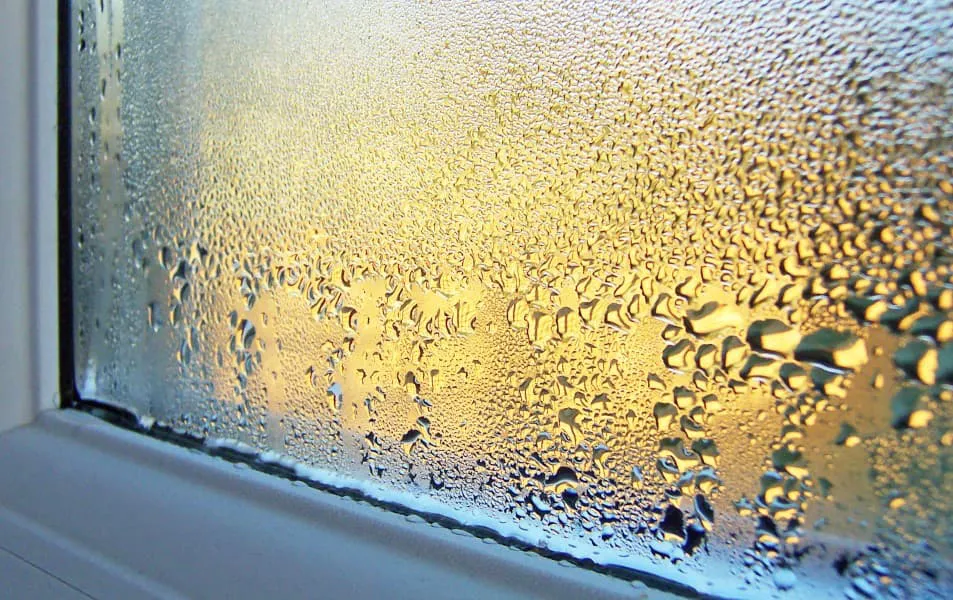

Condenser tumble dryers do not use a vent hose, but they still heat the air in the room during operation. In a cold or poorly ventilated space, this warm moist air condenses on cold surfaces – tiles, windows, nearby appliances. The solution is better ventilation or a warmer room. If the dryer has suddenly started causing more condensation than before, check all filters are clean.
The “no vent hose needed” benefit of a condenser tumble dryer is real – but it does not mean the dryer has no effect on its surroundings. In confined or cold spaces, condensation from a condenser dryer can be a significant practical issue.
Why Condenser Dryers Still Cause Condensation
A condenser dryer works by condensing moisture from the hot air circulating through the drum into water, which collects in a drawer or drains away through a hose. This process is effective but not perfect – and the dryer also generates heat that warms the surrounding air.

Heat warming the surrounding air
The dryer produces significant heat during operation. In a cold room, this warm moist air from the machine meets cold surfaces – walls, tiles, windows, or nearby appliances such as a freezer – and condenses. This is the same process that causes bathroom mirrors to fog up. The smaller and colder the room, the more pronounced the effect.

Imperfect condensation inside the machine
Lower-quality condenser dryers may not capture all moisture internally, allowing some moist air to escape into the room. This adds to the condensation problem beyond just the heat output. Higher-quality dryers generally condense more efficiently and release less moisture into the room.
Condensation from a condenser dryer is particularly noticeable in garages and utility rooms – especially in winter when surfaces are cold and ventilation is limited. The problem is worse if a freezer is nearby, since the freezer’s cold exterior is an ideal condensing surface. See our guide on putting appliances in a garage for more on managing humidity and condensation in garage installations.
Solutions for Condenser Dryer Condensation
-

Improve ventilation. Opening a window or door slightly during operation allows moist air to escape rather than condensing on cold surfaces. In a garage, opening the garage door a small amount is often sufficient. An extractor fan in the wall is a more permanent solution that works without opening doors. -
Warm the room. If the room is warmer during operation, cold surface condensation reduces because the temperature difference between the air and the surfaces is smaller. This is more practical in a utility room than in a garage, where heating an entire garage space is less efficient. -
Clean all filters thoroughly and regularly. Blocked filters significantly reduce the efficiency of the condensation system inside the dryer, allowing more moisture to escape into the room. Some dryers have more than one filter – check the instruction book for all filter locations, including any that may be behind a panel or in a less obvious position. -
Empty the condensate drawer regularly. If the drawer fills during a cycle, water has nowhere to go and the machine’s efficiency drops. Empty the drawer after every cycle or as directed in the instruction book.
If the Dryer Has Suddenly Started Causing More Condensation
If a condenser dryer that previously worked well has suddenly started producing noticeably more condensation or steam, this usually indicates a problem with the condensation system rather than a normal operating characteristic.
| Possible cause | What to check |
|---|---|
| Blocked lint filter | Clean the main lint filter and check for secondary or hidden filters in the instruction book |
| Blocked condenser unit | On machines with an accessible condenser (usually behind a front panel door), check and clean the condenser fins. This is separate from the lint filter |
| Water not collecting in drawer | If the condensate drawer is dry after a cycle, water is not being collected correctly. Check for a blockage in the collection system or a fault on the pump (on machines that pump water to a drain rather than using gravity into a drawer) |
Related Guides
Related Guides
 Condenser vs Vented Tumble Dryer
The pros and cons of each type – including the practical differences in installation and running.
Tumble Dryer Not HeatingWhen poor drying performance is caused by a heating fault rather than a condensation issue.
 Appliances in a Garage
Condensation, temperature extremes, and plumbing considerations for garage appliance installations.
 Most Energy Efficient Tumble Dryers
Heat pump dryers and condenser dryers compared on running costs and performance.
Frequently Asked Questions
Why does my condenser tumble dryer cause condensation if it doesn’t need a vent?
A condenser dryer converts moisture from the laundry into water internally, but it also generates significant heat during operation. This warm air rises from the machine and in a cold or unventilated space condenses on any cold surface it encounters – walls, tiles, windows, or nearby appliances. The condensation is not coming from inside the machine; it is forming from warm moist air meeting cold surfaces in the room.
How do I stop my condenser dryer causing condensation on my freezer?
The best solution is ventilation – allow moist warm air to escape the room rather than accumulate. Open a window, door, or install an extractor fan. If this is not practical, keep the freezer as far from the dryer as possible to reduce the temperature difference effect. Ensuring the dryer’s filters are clean also reduces the amount of moisture it releases into the room.
My condenser dryer has suddenly started steaming more – what is wrong?
A sudden increase in condensation or steam from a condenser dryer usually indicates a filter blockage or a problem with the condensate collection system. Check and clean all filters – including any secondary or hidden filters described in the instruction book. If the condensate drawer is no longer filling with water after cycles, the condensate system has a fault that needs investigating.
Ask the repair forum
Post the make, model and symptoms and get help from the Whitegoods Help community.