
Don’t use fabric softener on children’s sleepwear
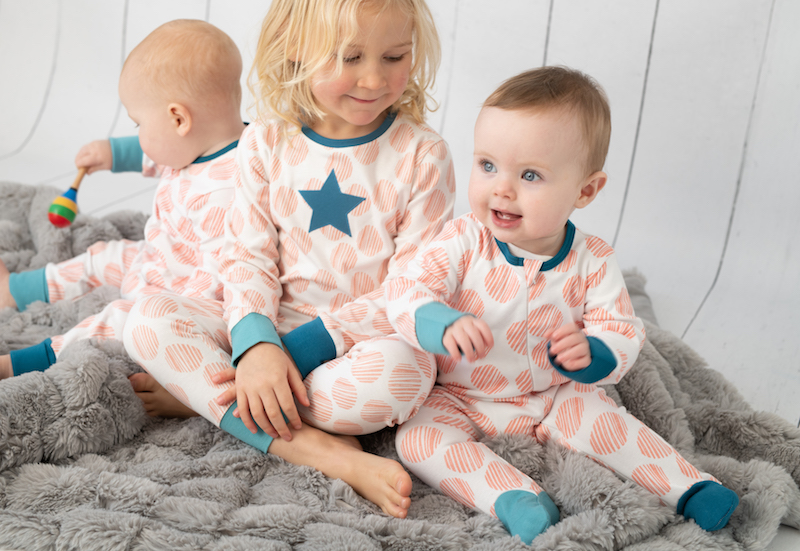

The flame-resistant properties built into children’s sleepwear are chemically treated into the fabric. Fabric softener deposits a coating on fibres that interferes with this treatment, reducing its effectiveness over repeated washes. Manufacturers of leading detergent and softener brands explicitly warn against using fabric softener on flame-resistant garments. The rule applies to any garment labelled as flame resistant, not only children’s sleepwear.

Fabric softener reduces the effectiveness of flame-resistant treatments in children’s sleepwear and other garments labelled as flame resistant or flame retardant. This applies to both liquid fabric softener added to the wash and to dryer sheets used in the tumble dryer. Always check the care label on children’s sleepwear and nightwear before adding softener.
What the Warning Means
Most children’s sleepwear and nightwear sold in the UK is required to meet fire safety standards. Garments either use inherently flame-resistant synthetic fibres or are treated with a flame-retardant finish. These treatments do not make the fabric fireproof – they slow the rate at which it ignites and burns, which can be the difference between a minor incident and a serious injury.
“We caution against using any fabric softener on children’s sleepwear or other garments labelled as flame resistant – as it may reduce flame resistance.”
Fabric softener manufacturer product warning
Fabric softener works by coating fibres with a lubricating agent that makes them feel smooth and soft. On flame-resistant garments, this coating sits on top of the flame-retardant treatment and partially blocks it. Over repeated washes with softener, the protective properties of the garment degrade faster than they otherwise would.
Which Garments Are Affected

Children’s sleepwear and nightwear
UK safety regulations require children’s nightwear to meet fire safety performance standards. This covers pyjamas, nightdresses, dressing gowns, and similar items worn to bed. Most children’s sleepwear carries a care label that includes a warning against fabric softener – check the label before washing.

Any garment labelled “flame resistant” or “flame retardant”
The warning is not limited to children’s clothing. Any adult or children’s garment labelled as flame resistant or flame retardant – including some workwear and protective clothing – should not be washed with fabric softener. Check the care label for specific washing instructions.
Flame-resistant fabric slows the rate of ignition and burning – it does not prevent the garment from catching fire. Reducing the flame-resistant treatment through repeated softener use removes even this partial protection. The care label instructions exist for this reason and should be followed.
Fabric Softener and Towels
A related point worth noting: fabric softener has a waterproofing effect on towels and other absorbent fabrics. The same coating that makes fabric feel soft reduces the fibres’ ability to absorb moisture – which directly reduces how effectively a towel dries. Omitting fabric softener from towel washes maintains their absorbency. If the dryer is used, tumble drying itself softens towels without any chemical assistance. See our guide on when fabric softener is unnecessary.
Related Guides
Related Guides
 Save on Fabric Softener When Tumble Drying
Why tumble drying naturally softens laundry – and why fabric softener reduces towel absorbency.
 Children, Pets, and Appliance Safety
Keeping children and pets safe around washing machines and other domestic appliances.
 Fabric Softener Taken Out Too Soon
Why softener is flushed during the wash rather than the rinse – and how to fix it.
 Fabric Softener Not Being Taken Out
Why softener remains in the dispenser after the cycle and the common causes.
Frequently Asked Questions
Can I use fabric softener on children’s pyjamas?
Not if they are labelled as flame resistant or flame retardant. Fabric softener reduces the effectiveness of flame-resistant treatments in children’s sleepwear, degrading the protection the garment is designed to provide. Check the care label – most children’s sleepwear will carry a warning against fabric softener. If the label is unclear, it is safer to omit softener from the wash.
Does fabric softener permanently damage flame-resistant clothing?
The effect is cumulative. Each wash with softener further reduces the effectiveness of the flame-resistant treatment. The garment does not become instantly unsafe after one wash with softener, but the protective properties degrade more quickly than they would without softener use. Once reduced, the flame-resistant treatment cannot easily be restored.
Does this apply to dryer sheets as well as liquid softener?
Yes. Dryer sheets work by the same mechanism – depositing a softening coating on fabric fibres during the tumble dry cycle. This coating has the same effect on flame-resistant treatments as liquid fabric softener added to the wash. Both should be avoided on flame-resistant garments.
Ask the repair forum
Post the make, model and symptoms and get help from the Whitegoods Help community.
0 Comments