
3 Pre Repair Tips
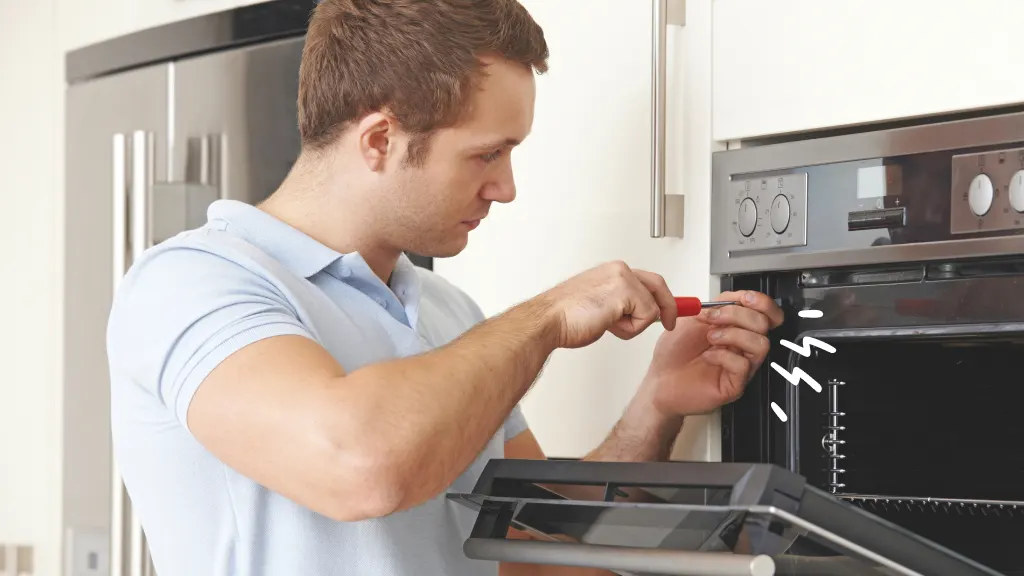

Three pre-repair tips that save time, money, and frustration. First – before disconnecting anything, photograph all wiring and component positions on your phone. Second – if the fault is intermittent, video it happening so the engineer cannot dismiss it as unverifiable. Third – right now, before anything goes wrong, photograph the rating plate inside the appliance door. If the door ever jams shut, that information becomes inaccessible exactly when you need it most.
Practical pre-repair guidance compiled by Whitegoods Help. Each tip takes under a minute to act on and can prevent hours of avoidable trouble later.
Why do these three tips matter?
Most domestic appliance repair problems become harder than they need to be for one of three reasons. The owner started disconnecting things before photographing the layout. The engineer arrived on a day the fault decided not to appear. Or the model number on the rating plate cannot be reached because the very fault under investigation has made the door inaccessible.
All three are entirely preventable with a phone and one minute of forethought. The tips below cover what to do, when to do it, and why each one matters more than it sounds.
What are the three pre-repair tips every appliance owner should know?
-
Photograph everything before you start. Before removing any panel, disconnecting any wire, or unclipping any component, take photos on your phone from multiple angles. The exact position of wires, the orientation of components, and how everything fits together looks obvious in the moment – but this information lives in short-term memory and goes within hours. A distraction, a delay waiting for a spare part to arrive, or even a phone call mid-repair is enough to lose track of which wire went where. Wiring questions from people mid-repair who have pulled off connections without photographing them first are one of the most common requests we see. Avoid the problem entirely by photographing first.
-
Video intermittent faults before the engineer arrives. If an appliance has an intermittent fault – a noise that comes and goes, a leak that only happens sometimes, an error code that appears and then clears – there is a real risk the engineer will not see it on the day of the visit. Use your phone to video the appliance while it is exhibiting the fault. Capture any visible water on the floor as a photo. Video evidence means the fault cannot be dismissed as unverifiable and gives the engineer useful diagnostic information even if the fault does not reappear during the visit. This matters especially if the appliance is under guarantee – some repair companies will try to charge for a call-out if no fault is found.
-
Record the model and serial number now, before you ever need it. On washing machines, tumble dryers, many dishwashers, and some ovens, the rating plate containing the full model number, serial number, and production codes is located on the inside of the door or door frame. This information is essential when calling an engineer, ordering a spare part, or registering a guarantee. The problem – if the fault that develops happens to be a jammed door, the label becomes completely inaccessible. The numbers on the control panel are not sufficient; engineers and parts suppliers need the full detail from the rating plate. See our guide to finding an appliance model number for where to look on each appliance type.
Where exactly is the rating plate on each appliance?
Knowing where to look saves time when you do come to photograph the plate. The table below covers the most common locations on UK domestic appliances.
| Appliance | Primary location | Secondary location |
|---|---|---|
| Washing machine | Inside the door / door frame | Rear panel; behind the soap drawer or filter flap |
| Tumble dryer | Inside the door / door frame | Rear panel; inside filter housing |
| Dishwasher | Inside the door / door frame | Side wall of the door opening; underneath |
| Oven / cooker | Inside the door frame or behind the door | Behind the bottom storage drawer; rear panel |
| Fridge / freezer | Inside the fridge cavity (often on a side wall) | Behind the salad drawer; rear of appliance |

The brand and model name printed on the front of an appliance is not the full model number. Engineers and spare parts suppliers need the complete model code, serial number, and production data from the rating plate sticker – which on most washing machines is hidden where you cannot reach it once the door is stuck. The whole point of photographing it now is that you cannot read it later.
What else should you check before any DIY appliance repair?
The three tips above are about preparation. Before any actual DIY work begins, there is one more essential step – making sure the appliance is genuinely safe to work on.

Unplug from the wall socket. For hardwired appliances such as some ovens, isolate at the consumer unit (fuse box) and verify with a tester that the supply is genuinely off before touching anything inside. See our full DIY repair safety advice.

For washing machines, dishwashers, and any plumbed appliance, turn off the inlet valves at the wall before disconnecting hoses. Have a towel and bucket ready for the residual water that always comes out.

Damaged heaters, faulty terminations, or poor earthing can put live voltage onto the metal casing of a washing machine. If you have ever felt a tingle when touching the machine, do not open it – see our guide to electric shocks from a washing machine and call a qualified engineer.

All gas cooker, hob, and oven repair work must be carried out by a Gas Safe registered engineer. It is illegal as well as dangerous to work on a gas appliance without registration. The pre-repair tips on photographing, videoing, and recording model numbers still apply – but the actual repair must be handed to a Gas Safe engineer.
Ready to book a repair or order a part?
If the diagnosis points to a fault that needs professional attention – or if you just want a confirmed answer before ordering parts – our nationwide repair and spare parts services cover all major appliance brands.
What if the appliance is still under guarantee?
The three tips matter even more when an appliance is still within its guarantee period. A repair company that arrives, fails to reproduce an intermittent fault, and proposes to charge a call-out fee can be challenged far more easily when video evidence exists.
Photographing the model and serial number also helps speed up any guarantee claim – the manufacturer or retailer will need the exact details and may otherwise ask you to send them, delaying the repair. For the full picture on what you can demand when a faulty appliance is under guarantee, see when a repair company wants to charge if no fault is found and our wider consumer rights guide for faulty appliances.
Safety notice
Pre-repair tips do not turn a DIY enthusiast into a qualified engineer. Any actual work involving mains electricity must only be carried out by a competent person, with the appliance isolated from the mains and verified dead. All gas work, regardless of how minor it appears, must be carried out by a Gas Safe registered engineer – it is illegal to work on gas appliances without registration.
If your appliance produces sparks, unusual smells, smoke, or any sign of electrical fault, isolate it at the wall immediately and do not use it until it has been inspected by a qualified engineer. See our full DIY repair safety advice before any hands-on work.
Always check the OPSS product safety database for any active recall on your appliance before continuing to use it.
Thinking of learning appliance repair properly?
The pre-repair tips on this page are the basics every owner should know. For anyone who wants to develop the full skill set – whether to repair their own appliances confidently, start a side business, or train as an engineer – the NAC National Training Centre offers practical hands-on courses and online training delivered by working engineers.
Frequently asked questions
Why should I photograph appliance wiring before starting a repair?
The exact routing and positions of wires look obvious when the appliance is open, but this information lives in short-term memory and disappears quickly. A distraction, a delay waiting for a spare part, or even a phone call mid-repair is enough to lose track of which wire went where. Photographs take seconds and prevent hours of frustration – or a wiring error that causes further damage when the appliance is powered back on.
What if an engineer says they cannot find an intermittent fault?
If the fault has been captured on video, there is clear evidence to present. This matters especially when the appliance is under guarantee and the repair company is proposing to charge a call-out fee because no fault could be found on the visit. Video also helps the engineer diagnose the fault even if it does not reappear on the day. See when a repair company wants to charge but no fault is found for the consumer rights position.
Where is the model number on a washing machine?
Usually on a rating plate sticker on the inside of the door or door frame. Some washing machines also have the numbers on the back panel, but pulling a machine out of a tight kitchen space is impractical, especially in an emergency. The label inside the door contains the full model number, serial number, and additional production codes needed by engineers and spare parts suppliers. Photograph it now before it is ever needed – see our full guide to finding an appliance model number.
What if the door is already jammed and I cannot see the rating plate?
There are still options. Many appliance brands hold registration records linked to your purchase, so contacting the manufacturer with your purchase date and retailer can sometimes recover the model details. Some machines also have model and serial numbers visible on the rear panel – though pulling the machine out can be awkward. See our guides to a washing machine door that won’t open and the best way to pull a washing machine out for the practical steps.
Do these tips apply to all appliances or just washing machines?
All three tips apply equally to washing machines, tumble dryers, dishwashers, ovens, cookers, fridges, freezers, and any other domestic appliance. The photograph-wiring tip applies to any internal work. The video-intermittent-faults tip applies to any fault. The model-number tip applies wherever the rating plate is on the inside of a door or otherwise becomes inaccessible when something goes wrong – which is most common on washing machines, tumble dryers, and dishwashers.
Is there ever a fault I should not even try to diagnose myself?
Yes – any gas appliance fault, any fault that has caused sparks, smoke, or an electrical tingle, and any fault on an appliance subject to a current safety recall. Gas work must always be carried out by a Gas Safe registered engineer. Electrical faults that produce shock or smoke risk should be isolated at the wall and inspected by a qualified engineer. Read our DIY repair safety advice before attempting any hands-on work.
Ask the repair forum
Post the make, model and symptoms and get help from the Whitegoods Help community.