
Stop bobbling or pilling on clothes
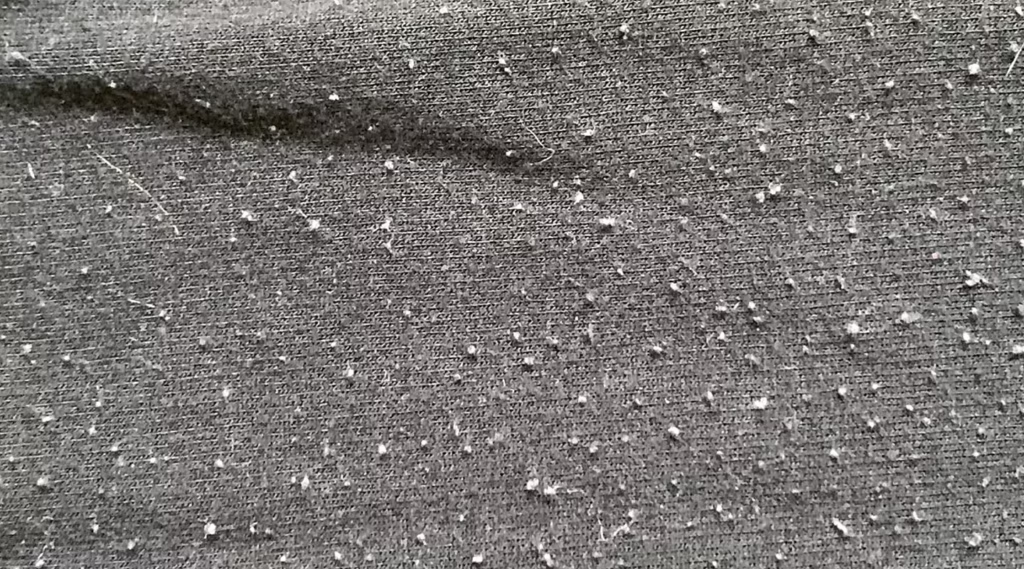

Pilling (also called bobbling or linting) is caused by friction damaging fibres until they separate from the fabric and form small tangled balls on the surface. It is most common on synthetic fibres such as polyester, acrylic, and nylon, which hold pills firmly. Prevention is easier than removal – washing inside out, using a mesh laundry bag for delicates, and avoiding tumble drying all reduce pilling significantly.
What Is Pilling?
Pilling, bobbling, and linting all describe the same thing: small tangled balls of fibre that form on the surface of fabric. They develop when friction – either during washing, tumble drying, or regular wear – breaks individual fibres away from the main fabric structure. The loose fibre ends tangle with each other and form the characteristic pill or bobble.
Synthetic fibres (polyester, acrylic, nylon) pill most visibly because the broken fibres are strong enough to stay attached to the fabric surface rather than washing away. Natural fibres (cotton, wool, linen) do also pill, but the broken fibres tend to detach and wash away rather than clinging to the surface. In mixed-fabric washes, pills from natural fibres can transfer onto and stick to synthetic items in the same load.
What Causes Pilling
Friction is the single cause. It comes from three sources:

Wear and use
Repeated rubbing during normal use – areas where clothing contacts itself or other surfaces – causes fibres to break down over time. Collar edges, cuffs, underarms, and inner thighs of trousers are the most common wear-related pilling zones. Bedding that experiences sustained friction (such as a pillow case pressed between knees overnight) pills rapidly on both faces.

Machine washing
The agitation of items tumbling against each other in the drum generates friction. Synthetic and delicate fabrics are most affected. Washing at high spin speeds, with a full load where items have less room to move freely, or on programmes with aggressive agitation all increase pilling from washing.

Tumble drying
Tumble drying generates significant friction as items tumble against each other and the drum at heat. It is one of the most effective ways to accelerate pilling. Line drying eliminates this entirely.
How to Prevent Pilling
-

Wash items inside out. Turning garments inside out before washing means the outer face – the visible surface – experiences less direct friction from other items in the drum. The inside of the garment is less visible and pilling there is less noticeable. -
Use a mesh laundry bag for delicates and synthetic items. A zipped mesh bag reduces direct contact between delicate or synthetic items and the rest of the load, significantly reducing friction-based pilling during washing. -
Use a cooler, gentler wash programme. A delicate or synthetics programme with lower agitation and a reduced spin speed reduces friction during the cycle. Washing at 30 degrees rather than 40 also reduces fibre stress. -
Do not tumble dry items prone to pilling. Line drying eliminates the significant friction of tumble drying. Light ironing can restore smoothness to items that have been line dried and feel stiff. -
Do not overload the machine. A correctly loaded drum allows items to move freely rather than being compressed against each other. Overloading increases friction between items. See our guide on how to load a washing machine correctly. -
Choose better quality fabrics where pilling matters. Higher-quality fibres with tighter weave or knit structures are more resistant to pilling. Tightly twisted yarns pill less than loosely twisted ones. This is a purchasing consideration rather than a laundry technique.
Fabric softener is sometimes recommended to reduce pilling by lubricating fibres. It is added during the final rinse – after the main wash agitation has already taken place. Its effect on pilling during washing is therefore limited. It may help slightly by reducing static charge that makes pills cling to synthetic fabric surfaces, but it is not a primary prevention measure. Prevention through washing technique makes a greater difference.
How to Remove Existing Pills
Effective removal methods
- Fabric shaver (lint remover): A battery or mains-powered fabric shaver is the most effective tool for removing established pilling. The rotating blade cuts the pills from the surface cleanly without damaging the underlying fabric. Available at most supermarkets and online
- Sticky lint roller or tape: A lint roller or Sellotape pressed and lifted over the surface removes loose and lightly attached pills effectively and quickly
- Careful trimming: Individual prominent pills can be cut away with small scissors or a disposable razor blade held flat against the surface – requires care to avoid cutting the base fabric
 Less effective or risky methods
- Wet nailbrush: Can work on some fabrics but risks pulling and distorting the weave on delicate items – use with caution
- Picking by hand: Very slow for significant pilling and can pull undamaged fibres from the fabric in the process
- Washing again: Does not remove existing pills and may add more
Related Guides
Related Guides
 Biological Detergents and Fabric Damage
How biological enzymes can damage wool and silk fibres – a different type of laundry damage to pilling.
How to Load a Washing MachineCorrect loading reduces friction between items – one of the most effective ways to reduce pilling in the wash.
 How to Remove Stains From Clothes
Pre-treatment and washing techniques for common stains without damaging fabric.
 White Clothes Going Grey or Colours Fading
Other common laundry result problems – detergent type, dose, and overloading as causes.
Frequently Asked Questions
What causes bobbling on clothes?
Bobbling (pilling) is caused by friction breaking individual fibres away from the fabric. The loose ends tangle together and form the characteristic small balls on the surface. It happens during wear, machine washing, and tumble drying. Synthetic fibres (polyester, acrylic, nylon) are most prone because the pills stay attached rather than washing away. Higher agitation, overloading, tumble drying, and lower quality fabrics all increase pilling.
How do I remove bobbling from clothes?
A fabric shaver (lint remover) is the most effective tool – it cuts pills from the surface cleanly without damaging the fabric underneath. A sticky lint roller or tape removes loose and light pilling quickly. Individual prominent pills can be carefully cut with small scissors. Avoid picking by hand as this can pull undamaged fibres from the fabric.
Can washing cause bobbling on clothes?
Yes. Machine washing generates friction as items tumble against each other in the drum. Synthetic and delicate fabrics are most affected. Washing items inside out, using a mesh laundry bag, choosing a delicate or low-agitation programme, and not overloading the drum all reduce washing-related pilling.
7 Comments
Grouped into 6 comment threads.
0 replies That's what the article tries to help with Jean. All the causes are listed. It's down to trying to work out which it is.
0 replies I had a Zanussi machine for years and it was great. Before buying a new machine, I went through a lot of expert best rated guides on the web. I opted for a hotpoint machine. It is the worst machine I have ever had. All of my expensive, good quality, clothes have pilling. I'm now looking for another machine. Lets just hope the same thing doesn't happen again. I'd be interested to know what is causing the pilling though?
I had a Zanussi machine for years and it was great. Before buying a new machine, I went through a lot of expert best rated guides on the web. I opted for a hotpoint machine. It is the worst machine I have ever had. All of my expensive, good quality, clothes have pilling. I’m now looking for another machine. Lets just hope the same thing doesn’t happen again. I’d be interested to know what is causing the pilling though?
1 reply I purchased a Miele and am experiencing the WORSE pilling ever... it is horrible and Miele has been a nightmare - refusing to take any responsibility. Quality clothes that I have owned for a year and having washed several times in my old washer and dryer, completely RUINED!! I am heartbroken as I paid a fortune for both the clothes, as well as tmy new appliances. I think the pilling is being caused by my dryer, though. the internal "paddles" in the Miele are made out of a heat resistance plastic - but the plastic is getting "dinged" (maybe by any metal objects such as zippers/metal snaps) and the paddles are not smooth. I believe this is causing abrasion on the clothes/hance the pilling. Miele is asking me to pay to replace the paddles, even though the units are less than 1 year old. They don't seem to mind taking my money when I bought the washer and dryer... I only wish they would stand behind their product. Anyway, if we do replace the paddles, I need to be super careful with drying anything that culd "ding" them again??? I think this is a serious design flaw.
I purchased a Miele and am experiencing the WORSE pilling ever… it is horrible and Miele has been a nightmare – refusing to take any responsibility. Quality clothes that I have owned for a year and having washed several times in my old washer and dryer, completely RUINED!! I am heartbroken as I paid a fortune for both the clothes, as well as tmy new appliances. I think the pilling is being caused by my dryer, though. the internal “paddles” in the Miele are made out of a heat resistance plastic – but the plastic is getting “dinged” (maybe by any metal objects such as zippers/metal snaps) and the paddles are not smooth. I believe this is causing abrasion on the clothes/hance the pilling. Miele is asking me to pay to replace the paddles, even though the units are less than 1 year old. They don’t seem to mind taking my money when I bought the washer and dryer… I only wish they would stand behind their product. Anyway, if we do replace the paddles, I need to be super careful with drying anything that culd “ding” them again??? I think this is a serious design flaw.
Likely replying to Gina Pabalan
Hello Gina, if the damage to the drum paddles is being caused by large metal zips etc then it’s not going to be covered under any guarantee by any manufacturer. However, if the paddles are going to get damaged by zips or similar on laundry then it ought to be warned about in the instruction book.
Read the instruction book carefully, to see if it says anywhere that damage can happen to the plastic paddles with laundry that has large zips or metal buttons on. Unless they advise not to dry such items, or to put them inside out, or in a bag of some sort, then you could be forgiven for assuming the dryer paddles shouldn’t get damaged (unless you have put in items that have large enough or heavy enough metal on them so that it should be obvious).
0 replies Bobbling means those little balls of fur sticking from the cloth, isnt it? Mainly seen on gloves (non-leather gloves) But that bobbling no matter how much you take out, it still keeps forming after sometime... eventually, if you keep taking them out.. for eg. a thick wool glove will get reduced to a thin one.. and it sucks.. I have some cheap clothes that have never formed any bobbling but some good brand ones, they have... dont know whats happening..
Bobbling means those little balls of fur sticking from the cloth, isnt it?
Mainly seen on gloves (non-leather gloves)
But that bobbling no matter how much you take out, it still keeps forming after sometime…
eventually, if you keep taking them out.. for eg. a thick wool glove will get reduced to a thin one..
and it sucks..
I have some cheap clothes that have never formed any bobbling but some good brand ones, they have…
dont know whats happening..
0 replies Unfortunately Phil, piling is a natural event caused by friction. Hopefully the tips in my article will help avoid it.
Unfortunately Phil, piling is a natural event caused by friction. Hopefully the tips in my article will help avoid it.
0 replies What if the garment in question was actually £120???? This being just a polo shirt!!! Surely there should be NO PILLING!!!!!!
What if the garment in question was actually £120???? This being just a polo shirt!!!
Surely there should be NO PILLING!!!!!!
That’s what the article tries to help with Jean. All the causes are listed. It’s down to trying to work out which it is.