
Bought an Appliance but what if the retailer goes bust?
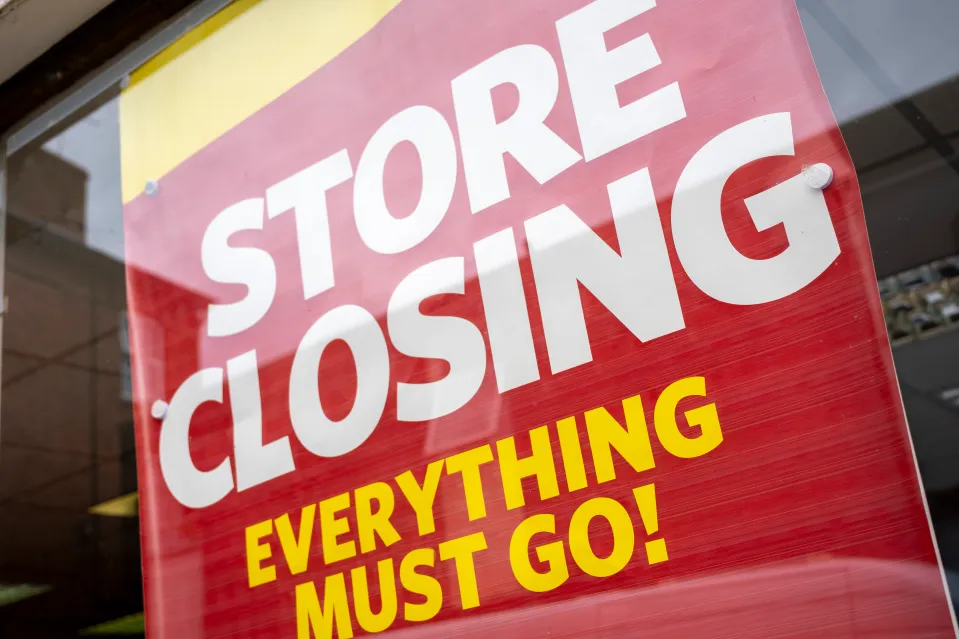

Always pay for a large appliance purchase with a credit card if possible. Under Section 75 of the Consumer Credit Act 1974, your credit card company is jointly liable with the retailer for purchases between £100 and £30,000. If the retailer fails to deliver your goods, goes into administration, or sells a faulty product, your credit card company must refund you. This protection does not apply to debit cards.
Appliances are large, expensive purchases. Paying by credit card adds a layer of legal protection that costs nothing and can be invaluable if something goes wrong – whether the retailer fails before delivery, goes into administration, or the goods arrive damaged or not at all.
What Is Section 75 Protection?
Section 75 of the Consumer Credit Act 1974 makes a credit card company jointly and severally liable with the retailer for any purchase between £100 and £30,000. This means if the retailer fails to meet its obligations – whether because it has ceased trading, entered administration, failed to deliver, or sold a faulty item – the credit card company is legally required to provide the same remedy the retailer would have been required to provide.
Minimum purchase value for Section 75 protection (the full purchase price, not just the amount charged to the card)
Maximum purchase value covered by Section 75
Section 75 protection costs nothing – it applies automatically to eligible purchases on a credit card
Section 75 does not apply to debit cards – only credit cards
Why This Matters When Buying Appliances
Appliances are typically purchased from retailers rather than direct from manufacturers. When a retailer fails commercially, customers who have paid and not yet received their goods can lose both the goods and their money. Those who paid by credit card have a direct claim against their card company. Those who paid by debit card, bank transfer, or cash have only an unsecured creditor claim against the failed retailer – which typically returns very little or nothing.
You pay for the appliance – often with delivery scheduled days or weeks later.
This happens without warning. Customers with outstanding orders are left with no goods and a claim against an insolvent company.
Under Section 75, the credit card company is jointly liable. A successful claim results in a full refund of the purchase price. The card company then pursues the debt against the failed retailer’s administrators.
Without Section 75 protection, the only recourse is a claim in the insolvency process. Unsecured creditors typically receive pennies in the pound, if anything at all.
Important Exceptions and Limitations
-

Third-party payment processors. If payment passes through a third-party processor rather than directly to the retailer, Section 75 may not apply. The position with PayPal has evolved – PayPal offers its own Buyer Protection scheme which may cover you, and in some circumstances Section 75 may still apply. Always verify the current position with your card issuer if paying through a third party. MoneySavingExpert maintains a detailed, regularly updated guide on this at moneysavingexpert.com/reclaim/section75. -
The full purchase price must exceed £100. Section 75 applies when the total purchase price is over £100 – not just the amount charged to the card. You could pay £1 on the credit card and £499 by another method and still be covered for the full £500, as long as the total purchase exceeds £100. However, paying the majority by another method reduces the card company’s interest in pursuing the retailer. -
Debit card Chargeback is a weaker alternative. While debit cards do not carry Section 75 protection, card networks operate a separate “chargeback” scheme that allows disputed transactions to be reversed. Chargeback is a card network policy rather than a legal right, is subject to time limits (typically 120 days), and is less reliable than Section 75. It is better than nothing but is not equivalent to Section 75.
Consumer Rights Guides
Related Guides
 Consumer Rights Act and Faulty Appliances
Your rights when an appliance develops a fault – repair, replacement, and refund entitlements under the CRA 2015.
 Who Is Responsible for a Faulty Appliance?
Whether your claim is with the retailer or the manufacturer – and why the answer matters for how you pursue it.
5 Tips for Buying a New ApplianceKey things to check before buying – including where and how you pay.
 All Consumer Rights Guides
Full index of consumer rights articles on Whitegoods Help – guarantees, faulty goods, and retailer obligations.
Frequently Asked Questions
Does Section 75 apply if I only put part of the payment on my credit card?
Yes. Section 75 applies to the full purchase price as long as the total exceeds £100 and you used a credit card for at least part of the payment. You could pay £1 on a credit card and the rest by another method and still have full Section 75 protection for the entire purchase. However, practically speaking, the more of the purchase price charged to the card, the more straightforward the claim tends to be.
What happens if the retailer goes into administration before my appliance is delivered?
If you paid by credit card, contact your card company immediately to raise a Section 75 claim. Provide proof of purchase and evidence that delivery has not occurred. The card company is legally obliged to refund you the purchase price. If you paid by debit card, contact your bank to raise a chargeback claim as quickly as possible – chargeback is time-limited and is a card network policy rather than a legal right, so it is less reliable.
Is Section 75 the same as a chargeback?
No. Section 75 is a legal right under the Consumer Credit Act 1974 that applies only to credit cards. Chargeback is a card network policy (operated by Visa, Mastercard, and others) that applies to both credit and debit card transactions. Section 75 is stronger – it is a legal entitlement, has no fixed time limit for raising a claim, and makes the card company jointly liable. Chargeback is subject to time limits (typically 120 days), is a policy rather than a law, and can be declined by the card issuer in certain circumstances.
Ask the repair forum
Post the make, model and symptoms and get help from the Whitegoods Help community.