
Buying an appliance for a rented property
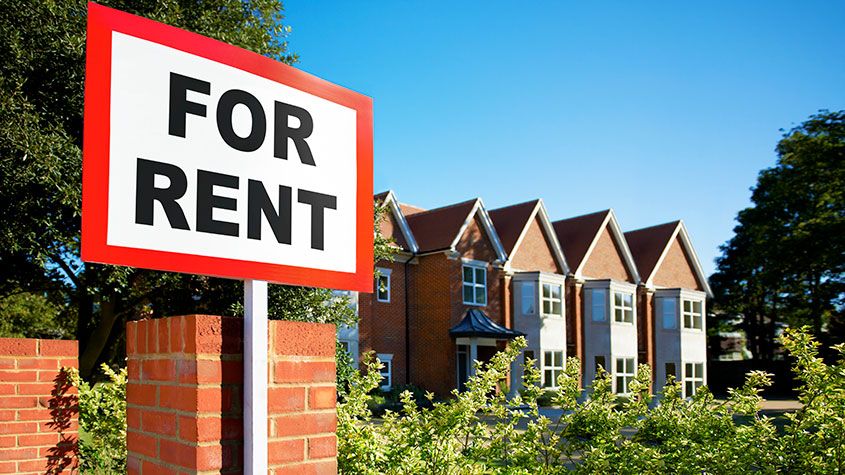

In almost all cases, yes – a manufacturer’s guarantee is valid on an appliance installed in a rented property for normal domestic use. A fridge, washing machine, or any domestic appliance functions identically whether installed in an owner-occupied home or a rental property. Retailers who suggest otherwise are incorrect. Register the appliance at the address where it will be installed to avoid any potential ambiguity.
The suggestion that a manufacturer’s guarantee is invalid on an appliance bought for a rented property is incorrect in almost every normal circumstance. This article explains the actual position and what landlords should know when buying appliances for rental properties.
Is the Guarantee Really Invalid for Rented Properties?
There is no logical or legal basis for a manufacturer’s standard 12-month guarantee to be invalid purely because an appliance is installed in a rented property rather than an owner-occupied one. The appliance is operating in a normal domestic environment, plugged into a standard household socket, being used for its intended purpose, by normal domestic users.
The guarantee covers the appliance against manufacturing defects. Whether the address where it is installed is owned or rented is irrelevant to whether a fault is a manufacturing defect.
A possible source of confusion is a retailer assuming the purchase is for a commercial application – a restaurant, a hotel, a commercial laundry. Commercial use would legitimately void a domestic appliance guarantee since the machine is not rated for that level of use. A privately rented domestic property is not a commercial environment and should not be treated as one.
The Legitimate Concern: Misuse
A manufacturer can decline a guarantee claim if the fault was caused by misuse or abuse rather than a manufacturing defect. This is true whether the appliance is in a rented property or an owner-occupied one. The place of installation does not change this – if a tenant abuses an appliance and it fails as a result, the manufacturer has grounds to reject the guarantee claim for the same reason they would if the owner’s own family had misused it.
This is not a reason to decline the guarantee on installation – it is a standard exclusion that applies universally regardless of ownership or tenancy status.
Practical Steps for Landlords
-

Register the appliance at the installation address. When registering the guarantee, use the address where the appliance will be installed – the rental property. This links the guarantee to the location of the appliance rather than to the owner’s home address, avoiding any potential administrative ambiguity if a claim needs to be made. -
Keep proof of purchase. The guarantee is linked to the original purchase date. As the owner, keep the receipt and guarantee documentation even though you are not the occupant. -
Do not confuse the manufacturer’s guarantee with landlord insurance. Landlord insurance covering appliances in a rental property is a separate product from a manufacturer’s guarantee. Insurance may cover accidental damage, tenant misuse, and other scenarios the guarantee does not – but its existence does not replace or invalidate the standard manufacturer guarantee.
What About Landlord Insurance?
Some insurers offer landlord-specific policies that include appliance cover for rental properties. These products cover scenarios that a standard manufacturer’s guarantee does not – such as accidental damage by tenants, or breakdowns that occur after the guarantee period. They are a supplementary product for landlords who want broader cover, not a replacement for the standard guarantee that comes with the appliance.
Advertisements suggesting landlords “need” separate appliance insurance are not necessarily incorrect – there are genuine scenarios where it provides value – but they should not be interpreted as meaning the manufacturer’s standard guarantee is invalid for rental property installations. The two products cover different things and are not mutually exclusive.
Related Consumer Rights Guides
Related Guides
 Consumer Rights and Faulty Appliances
Your rights under the Consumer Rights Act 2015 when an appliance fails – including rights that exist beyond any guarantee.
 Is a Guarantee Transferable When Buying Second-Hand?
Whether a manufacturer’s guarantee can be transferred to a new owner – the rules and the exceptions.
 Who Is Responsible for a Faulty Appliance?
The respective responsibilities of the manufacturer, retailer, and owner when an appliance develops a fault.
 Renting Appliances
When renting an appliance instead of buying may be a practical option for landlords and tenants.
Frequently Asked Questions
Is a manufacturer’s guarantee valid if the appliance is in a rented property?
Yes, in virtually all normal circumstances. A domestic appliance operates identically whether installed in an owner-occupied home or a rental property. The guarantee covers manufacturing defects, which are not affected by whether the occupant owns or rents the property. Any suggestion that a standard guarantee is invalid purely because the property is rented is incorrect.
Could a tenant damaging the appliance void the guarantee?
Damage caused by misuse or abuse is typically excluded from manufacturer’s guarantees regardless of who caused it. If a tenant misuses an appliance and causes a fault, the manufacturer can decline the claim on the grounds of misuse – not on the grounds that the property is rented. This is the same standard exclusion that applies to any guarantee claim where the fault resulted from improper use.
Should I register the appliance at my home address or the rental property address?
Register the appliance at the address where it will be installed – the rental property. This creates a clear link between the guarantee registration and the location of the appliance, which is the most straightforward position for any future claim. Keep the proof of purchase separately as the owner.
Do I need landlord insurance on top of the manufacturer’s guarantee?
The manufacturer’s guarantee and landlord insurance cover different things. The guarantee covers manufacturing defects during the guarantee period. Landlord insurance covering appliances may also cover accidental damage, tenant misuse, and post-guarantee breakdowns. Whether landlord insurance is worth purchasing depends on the individual circumstances – it is a supplement to the guarantee, not a replacement for it.
Ask the repair forum
Post the make, model and symptoms and get help from the Whitegoods Help community.
0 Comments