
Are Eco friendly green detergents any good?
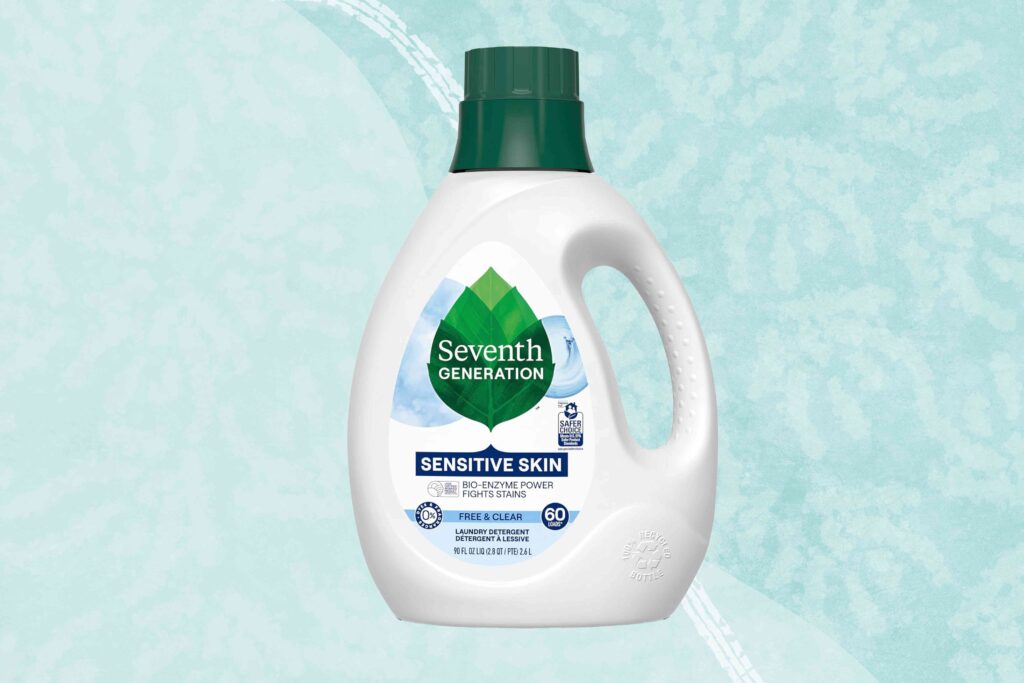

Eco-friendly laundry detergents have improved considerably but independent testing consistently finds they cannot match mainstream brands for cleaning heavily soiled loads. The most practical approach is to keep both: use an eco detergent for lightly soiled everyday laundry, and a standard biological detergent for heavily soiled items and stain removal. Washing something twice because the eco detergent did not clean it properly wastes more water and energy than using the right product first time.
How Eco Detergents Compare to Mainstream Brands
Greenwashing – the practice of marketing products as environmentally friendly without meaningful environmental benefit – has made many consumers rightly sceptical of eco product claims. Laundry detergent is one of the categories most affected.
Independent testing of eco laundry detergents has consistently found that leading eco products cannot compete with the major biological brands for cleaning performance on heavily or even moderately soiled laundry. The typical finding is that eco detergents are worth considering for lightly soiled loads, but fall short on anything more demanding.
 Where eco detergents perform well
- Lightly soiled everyday laundry – items worn once in low-activity conditions
- Refreshing clothes that are not heavily soiled but need a wash
- Low-temperature washes where the gentler formula is less likely to cause fabric degradation
- Households with sensitive skin, since many eco formulations use fewer synthetic fragrances and preservatives
 Where eco detergents fall short
- Heavily soiled laundry – workwear, children’s clothes, sports kit
- Stain removal – food, grease, blood, and protein-based stains need biological enzymes to clean effectively
- Higher temperature washes where mainstream detergents outperform significantly
- Situations where a single wash must get the job done – rewashing uses more water and energy than a single effective wash
The Practical Solution: Use Both
Switching exclusively to eco detergent and accepting worse cleaning results is not necessarily the environmental choice. A wash that fails to clean properly requires rewashing – which uses additional water, electricity, and detergent, potentially negating the environmental benefit of the eco product.
The more practical approach is to keep two detergents:

Eco detergent for lightly soiled loads
Everyday laundry that is not heavily soiled – shirts worn to an office, lightly used household linen, delicates – can be washed effectively with a good eco detergent. Using it for these loads reduces the volume of conventional chemicals in the wash water without compromising results.

Standard biological detergent for heavily soiled loads
Children’s clothes, workwear, sports kit, towels, and any load with actual staining needs a mainstream biological detergent to clean effectively. The biological enzymes in these detergents are specifically what makes them effective on protein and grease-based soiling – something most eco formulations lack or provide at lower concentrations.
Soda crystals (washing soda / sodium carbonate) are an inexpensive, natural cleaning agent that can enhance detergent performance and help clean the machine itself. Adding soda crystals alongside a detergent boosts cleaning power without synthetic chemicals. See our guide on soda crystals and washing machines.
Finding the Best Eco Detergent
The eco detergent market changes regularly as new products launch and formulations are updated. Rankings from independent testing also shift over time as products are reformulated. The most reliable approach to finding the current best performer is to check recent independent test results from consumer organisations – looking specifically at test scores for cleaning performance on lightly soiled loads, rather than relying on manufacturer environmental claims alone.
When evaluating any eco detergent, look for:
-
Independent cleaning performance data – not just ingredient or environmental certification claims. A detergent that does not clean adequately is not an environmental product because it requires rewashing. -
Plant-based surfactants – derived from renewable sources rather than petrochemicals. Most leading eco brands now meet this standard as a baseline. -
Concentrated formats – less packaging per wash, lower transport emissions, and typically better value per cycle than dilute products. -
Minimal or recyclable packaging – solid tablets, refill pouches, or concentrates significantly reduce plastic use per wash compared to standard liquid formats.
Related Guides
Related Guides
Which Type of Detergent Is Best?Biological vs non-biological, powder vs liquid, and tablet detergents compared on cleaning performance.
Soda Crystals and Washing MachinesHow soda crystals can boost washing performance and clean the machine – a natural and inexpensive option.
 Biological Detergent and Skin Irritation
What the research shows about biological detergents and eczema – and why fragrance is more likely the culprit.
 How to Remove Stains From Clothes
Pre-treatment and washing techniques for common stains – where biological detergents genuinely excel.
Frequently Asked Questions
Are eco laundry detergents as good as mainstream brands?
For lightly soiled loads, yes – many eco detergents perform adequately. For heavily soiled laundry, stain removal, or anything requiring strong cleaning action, mainstream biological detergents consistently outperform eco alternatives in independent testing. The practical solution is to use both rather than switch exclusively to eco.
Is it more environmentally friendly to use eco detergent even if I have to wash things twice?
No. Rewashing laundry because the detergent did not clean properly uses additional water, electricity, and detergent. This can easily negate the environmental benefit of the eco product and may make the total environmental impact worse than a single wash with a conventional detergent. Effective cleaning on the first wash is the environmentally sound choice.
What should I look for when choosing an eco laundry detergent?
Look for independent cleaning performance data rather than marketing claims or certification alone. Plant-based surfactants, concentrated formats (less packaging per wash), and minimal or recyclable packaging are meaningful indicators. Avoid products that claim eco credentials primarily through marketing language without independent test performance to support the claim.
Ask the repair forum
Post the make, model and symptoms and get help from the Whitegoods Help community.
4 Comments
Grouped into 4 comment threads.
0 replies Try Eco-Smart Simply Sensitive (non-bio) - highly recommended by Good Housekeeping magazine (winner 2008 consumer awards) as it gives excellent results at a good price. Available from Waitrose, The Co-op or on-line. Approx £2.99 for 30 tabs or 15 washes (or cheaper if you buy in bulk direct from Eco-Smart). It's the best ecological wash powder I've tried and I'm a self-employed gardener so have particularly grubby work clothes. On the downside there is a slime/mould build up despite a weekly white wash at 60 degrees.
0 replies What makes "green" detergents different is that they use natural ingredients instead of chemical ones. Because of that, they are hardly a burden to the environment. Imagine using up a packet of detergent only to find out that the suds you emitted were loaded with chemicals that will make the plants in your garden whither. The use of natural cleaning solutions is advisable. If your clothes have stains, citrus solutions like lemon juice can work big time. You just have to make the right choices.
What makes “green” detergents different is that they use natural ingredients instead of chemical ones. Because of that, they are hardly a burden to the environment. Imagine using up a packet of detergent only to find out that the suds you emitted were loaded with chemicals that will make the plants in your garden whither. The use of natural cleaning solutions is advisable. If your clothes have stains, citrus solutions like lemon juice can work big time. You just have to make the right choices.
0 replies I've used 'green' detergents for years and do not see a difference... Of course it all depends on how you set your standards, but my laundry always comes out clean and fresh. When clothing is stained I do use stain treatments before washing normally, but then you should do that with 'non-green' detergents as well.
I’ve used ‘green’ detergents for years and do not see a difference…
Of course it all depends on how you set your standards, but my laundry always comes out clean and fresh.
When clothing is stained I do use stain treatments before washing normally, but then you should do that with ‘non-green’ detergents as well.
0 replies it is rubbish
it is rubbish
Try Eco-Smart Simply Sensitive (non-bio) – highly recommended by Good Housekeeping magazine (winner 2008 consumer awards) as it gives excellent results at a good price. Available from Waitrose, The Co-op or on-line. Approx £2.99 for 30 tabs or 15 washes (or cheaper if you buy in bulk direct from Eco-Smart). It’s the best ecological wash powder I’ve tried and I’m a self-employed gardener so have particularly grubby work clothes. On the downside there is a slime/mould build up despite a weekly white wash at 60 degrees.