
Can you put a washing machine in a garage?
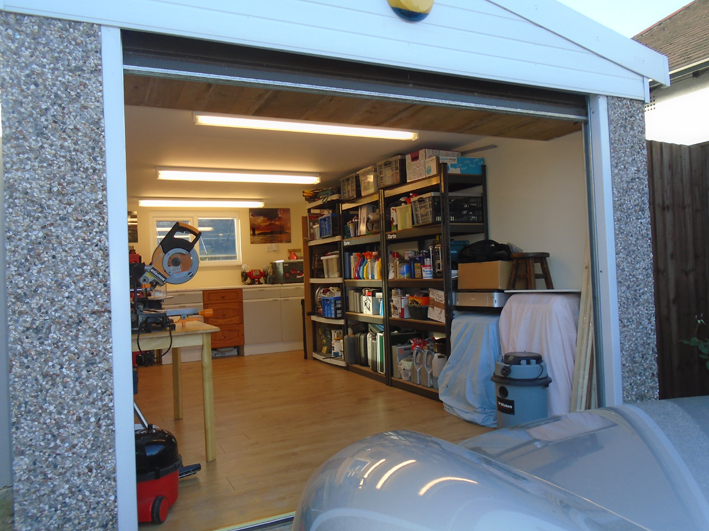

A washing machine can function in a garage but a garage is not an ideal location. The four main risks are condensation damaging electronics, faults going undetected, difficult or illegal plumbing, and temperature extremes causing frozen pipes or overheating. All of these can be managed with the right precautions – but it is worth understanding them before installing.
Garages are a common location for washing machines when kitchen space is limited. The arrangement can work well for many years, but there are specific risks associated with the environment that do not apply to an indoor installation.
The Four Main Risks of a Garage Installation

Condensation
A cold garage with poor ventilation creates ideal conditions for condensation. A washing machine produces heat and steam in use, and in cold weather this moisture condenses on cold surfaces – including on the machine itself. In severe cases, condensation can damage the PCB, motor connections, and other electronics. Rust and mould on the casing and drum seal are also possible. A window left open during operation, or an extractor fan installed in the garage wall, significantly reduces the risk.

Faults going undetected
A machine running unattended in a garage cannot be heard or seen during operation. Unusual noises – such as the distinctive sound of a coin or small object caught between the drum and outer tub – may go unnoticed until the damage is severe. A coin left to circulate can eventually puncture the outer tub and write off the machine. Running an appliance unattended also carries a fire and flood risk. See our guide on whether it is safe to leave a washing machine running unattended.

Plumbing difficulties
A detached or semi-detached garage is unlikely to have existing plumbing. Running new pipework to a garage requires the inlet pipes to be well insulated against frost. More critically, it is essential that the machine drains to the foul water sewer and not to a surface water drain. Garages often have guttering that runs to a surface water drain – connecting a washing machine to this outlet is illegal and causes environmental damage. See our guide on washing machine drain misconnections.

Temperature extremes
Garages can get very hot in summer and drop below freezing in winter. In summer heat, running consecutive loads can cause components to overheat. In winter, water remaining in the inlet valve, fill hose, or supply pipes can freeze and expand, cracking plastic components. A cracked water valve can spray water onto electronics when the machine is next used – potentially writing the machine off. In periods of severe cold, a frost-protection setting on an oil-filled radiator placed near the machine is an effective preventive measure.
Practical Precautions for a Garage Installation
-

Install a smoke alarm linked to alarms inside the house. A fire starting in a garage cannot be heard from inside the house without a linked alarm system. If the garage alarm is triggered, all linked alarms sound simultaneously. This is essential if the machine runs while no one is in the garage. -
Insulate all water supply pipes thoroughly. Any pipework running through an unheated garage must be insulated against frost. Pay particular attention to the section of fill hose between the tap and the machine. -
Use an oil-filled radiator on frost-protection setting in very cold weather. A frost-protection setting maintains the temperature just above freezing at minimal running cost. Position it near the machine during cold snaps. -
Ventilate the garage during operation in cold weather. Open a window or install an extractor fan to reduce condensation when the machine is running in cold conditions. -
Turn off the water supply taps when the machine is not in use. This reduces the volume of water that can freeze in or around the valve and reduces flood risk from a hose failure. See our guide on turning off taps when the machine is not in use. -
Confirm the drain connects to the foul water sewer. Before completing the installation, verify which drain the outlet connects to. Surface water connections are illegal for washing machine discharge. See our installation guide on how to install a washing machine.
A washing machine installed in a garage with the precautions above can work reliably for many years. The risks are real but manageable. The most important single precaution in cold climates is protecting against frozen pipes – a cracked water valve in a machine that has frozen can cause irreparable water damage to the electronics.
Installation and Safety Guides
Related Guides
How to Install a Washing MachineStep-by-step installation guidance including drainage requirements and inlet connections.
 Washing Machine Drain Misconnections
Why connecting a washing machine to a surface water drain is illegal and how to check your connection is correct.
 Should You Turn Off the Taps When Not in Use?
The case for turning off water supply taps between washes – and how much risk a permanently pressurised hose presents.
 Is It Safe to Leave the Washing Machine On?
The genuine risks from unattended appliances – fire, flood, and fault detection – and what the evidence says.
Frequently Asked Questions
Can a washing machine freeze in a garage?
Yes. If temperatures drop below freezing, water remaining in the inlet valve, fill hose, or supply pipes can freeze and expand, cracking plastic components. A cracked water valve can spray water inside the machine when it next starts, potentially shorting out the electronics and writing the machine off. In severe cold snaps, keep the temperature in the garage above freezing using a frost-protection setting on an oil-filled radiator, and drain or insulate all exposed pipework.
Can I drain my washing machine into the garage drain?
Only if the garage drain connects to the foul water sewer. Garage drains connected to surface water drains – which is common, since garage guttering often runs into the same drain – must not receive washing machine discharge. Connecting a washing machine to a surface water drain is illegal and environmentally damaging. Verify which system the garage drain connects to before using it for the machine’s outlet.
What temperature is too cold for a washing machine in a garage?
Any temperature below 0 degrees Celsius presents a risk to water-bearing components. Modern washing machines are designed for indoor installation at domestic temperatures. The most vulnerable component is the inlet valve, where standing water can freeze during idle periods. If the garage temperature is likely to drop below freezing, either drain the machine after every use or maintain the garage above freezing with a frost-protection heater when very cold weather is forecast.
Ask the repair forum
Post the make, model and symptoms and get help from the Whitegoods Help community.
2 Comments
Grouped into 2 comment threads.
0 replies dave: I would imagine you would need to use the normal pipe insulation and then put them inside a larger pipe? I don't know if there's special insulation available for doing such a job or not. I would ask a good builder.
0 replies how do you insulate a cold feed pipe going outside to a garage
how do you insulate a cold feed pipe going outside to a garage
dave: I would imagine you would need to use the normal pipe insulation and then put them inside a larger pipe? I don’t know if there’s special insulation available for doing such a job or not. I would ask a good builder.