
Energy Labels: Energy consumption kWh/Cycle

The energy consumption figure on a washing machine label shows how many kilowatt hours (kWh) the machine uses on its rated 60-degree cotton cycle. Multiply this figure by your electricity unit rate to calculate the cost per wash. However, since most people wash at 30 or 40 degrees, your actual costs will typically be lower than the label suggests – and some machines achieve a better figure by not properly reaching 60 degrees at all.
This is Part 2 of the Whitegoods Help guide to washing machine energy labels, covering the energy consumption figure – what it means, how to use it to calculate running costs, and why it tells only part of the story.
What Does the Energy Consumption Figure Show?
The energy consumption section of the washing machine label shows the number of kilowatt hours (kWh) the machine uses during a single wash cycle. Like the other ratings on the label, this is based on the 60-degree cotton programme – a cycle most households use infrequently. The figure gives you a way to compare the relative energy use of different machines, but it is not a direct measure of what your electricity bill will actually look like.
Because most everyday washing is done at 30 or 40 degrees, the actual energy your machine uses per cycle will typically be lower than the figure shown. Heating water accounts for the majority of a washing machine’s electricity consumption, so lower-temperature washes use significantly less energy than the rated 60-degree cycle.
Why Some Figures May Not Be Reliable
The energy consumption figure is only as accurate as the test conditions that produced it. Independent testing has found that a significant number of washing machines do not actually heat water to anywhere near 60 degrees on their 60-degree cycle – in some cases reaching only 43 to 50 degrees. A machine that runs its rated cycle at a lower temperature will use less electricity during the test, producing a better label figure – but it is not delivering what the user would expect.
This means the energy consumption figure for some machines may be artificially low, and the comparison between machines less reliable than it appears. For more detail on this issue, see our guide on washing machines not delivering the right temperature.
Understanding kWh: A Plain English Explanation
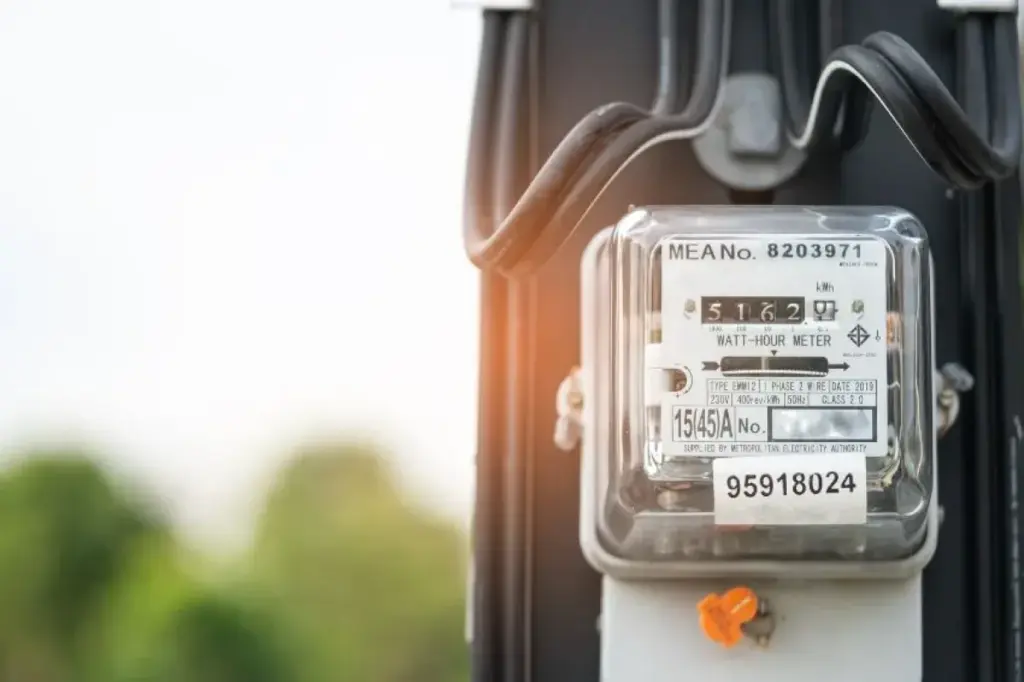
Electricity is charged in kilowatt hours, abbreviated to kWh. One kWh – sometimes called one unit of electricity – is the amount of electricity consumed by a 1,000-watt appliance running for one hour.
The same amount of electricity is used whether you run a 1,000-watt appliance for one hour, a 2,000-watt appliance for half an hour, or a 500-watt appliance for two hours. It is the total consumption over time that counts, not the power rating alone.
A washing machine does not draw the same amount of power throughout a cycle. It uses the most electricity during the heating phase, much less during the wash and rinse stages, and a moderate amount during the spin. The kWh figure on the label represents the total consumption across the entire cycle.
How to Calculate the Cost Per Wash
To convert the kWh figure on the label into a cost, multiply it by your electricity unit rate. You can find your unit rate on your electricity bill or in your energy account online.
UK electricity prices vary considerably depending on your tariff and supplier. As a rough guide, the Ofgem price cap unit rate has been approximately 24p per kWh in recent periods, though your actual rate may be higher or lower – always check your own bill for an accurate figure.
| Energy Label Figure | At 24p per kWh | Cost per wash (approx) |
|---|---|---|
| 0.75 kWh | 0.75 × 24p | 18p |
| 0.95 kWh | 0.95 × 24p | 23p |
| 1.20 kWh | 1.20 × 24p | 29p |
| 1.50 kWh | 1.50 × 24p | 36p |
These figures apply to the rated 60-degree cycle only. Washing at 40 degrees will cost noticeably less; washing at 30 degrees less still. The label does not provide separate consumption figures for lower-temperature cycles.
Does a Lower Energy Figure Make a Better Buy?
Not necessarily. The energy consumption figure is one component of the total cost of running a washing machine over its lifetime – and often not the most significant one. Repair costs and the lifespan of the machine matter far more to the overall picture.
A machine that costs £10 more per year to run than a cheaper-to-run alternative will cost £100 more over ten years in electricity. But if the cheaper-to-run machine requires two expensive repairs in that period, or needs replacing after six years, the energy saving becomes irrelevant. Reliability and build quality have a much larger impact on lifetime running costs than the energy label figure alone.

Switching to a cheaper electricity tariff or changing how you use your machine – washing at lower temperatures, running full loads, using off-peak times – can save more money than choosing a machine based on a marginal difference in its energy consumption figure. See our guide on reducing the energy costs of running white goods.
Need Help With a Washing Machine?
Whether you need a repair or genuine spare parts, Whitegoods Help can point you in the right direction.
Energy Label Series: All Parts
 Part 1: Energy Efficiency Ratings
What the A to G energy efficiency rating measures and how to interpret it when comparing machines.
 Part 3: Wash Performance Ratings
How washing performance is rated, what the test involves, and why the figure is largely meaningless for comparison.
 Part 4: Spin, Water Use and Noise
The remaining label data points – spin drying performance, water consumption, and noise ratings – explained.
 Are Eco Labels Misleading?
Why energy labels do not tell the full story about running costs, reliability, or environmental impact.
Frequently Asked Questions
What does the kWh figure on a washing machine label mean?
It shows the total electricity consumed during the machine’s rated 60-degree cotton cycle, measured in kilowatt hours. Multiply this figure by your unit electricity rate to calculate the approximate cost per wash on that cycle.
How do I calculate the cost per wash from the energy label?
Multiply the kWh figure shown on the label by your electricity unit rate. For example, a machine rated at 0.95 kWh at a rate of 24p per kWh would cost approximately 23p per 60-degree cotton wash. Check your electricity bill for your actual unit rate, as prices vary considerably between tariffs and suppliers.
Will my actual energy costs match the label figure?
Probably not exactly, for two reasons. First, the rated figure is based on a 60-degree cycle – if you wash mostly at 30 or 40 degrees your costs will be lower. Second, some machines do not actually reach 60 degrees on their rated cycle, which affects both the energy consumption figure and the wash result.
Is a lower energy consumption figure always better?
Not when considered in isolation. A small difference in energy use between two machines may save only a few pounds per year. If a more energy-efficient machine is less reliable or has a shorter lifespan, those savings are quickly outweighed by repair costs or the need for earlier replacement. Build quality and reliability have a larger impact on lifetime running costs than the label figure alone.
What is the current cost of electricity per kWh in the UK?
UK electricity prices change regularly and vary significantly by tariff and supplier. The Ofgem price cap unit rate has been approximately 24p per kWh in recent periods, but your actual rate may differ. Always check your electricity bill or energy account for the rate that applies to you.
Ask the repair forum
Post the make, model and symptoms and get help from the Whitegoods Help community.
0 Comments