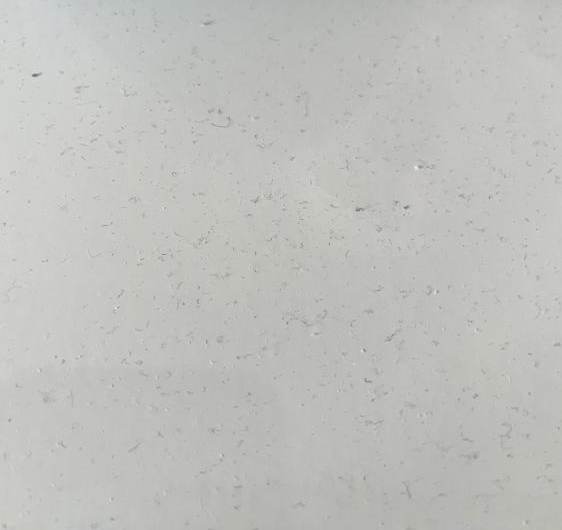
Some people have a problem with very small (micro) fibres all over their clothes after washing in the washing machine. My first photo, shows hundreds of small fibres that have come off my clothes. They settled on my bedside table after I shook a washed t-shirt before putting it on.
The photo below, shows these micro fibres floating in the air just after I shook the t-shirt. They were highlighted against my bedroom curtains by the morning sun.
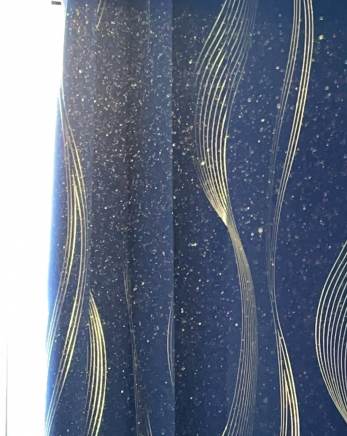
These photos show how, after washing, our clothes can be infested with many thousands of micro fibres. But why, and how can we stop them from causing a serious problem?
Although not adversely affected myself, I know that some people have been almost driven mad by them.
So, although I know we have millions of small fibres on our laundry, it’s not been an issue for us. In fact, until this subject came to my attention, I hadn’t even noticed them. However, around 6 years ago, Lily posted a thread on my washing machine help forums (Washerhelp). The post was titled, Excessive lint/dust on clothes after washing and it was clear she was desperate for an answer.
I highly recommend that you take the time to read all of that thread. It goes on for 12 pages. However, many people suffering from this issue have contributed, and all likely possible causes and cures have been discussed. This article collates the most important information, and summarises my conclusions.
Most people contributing to the forum thread believed that there was a fault on their washing machine. In fact, at least 2 people still had this issue even after replacing their washing machines. So I believe it is safe to say it is not normally anything to do with any fault on a washing machine. However, this doesn’t mean that you can’t improve, or reduce the impact by changing the way you use the washing machine. Here is a summary of the main conclusions I have made on this subject.
Micro fibres are on most of everyone’s laundry
As demonstrated above, you can have your laundry covered in these microfibres and not really be bothered by them. I have no idea why millions of small microfibres are shed from our laundry. It seems to be a modern issue, or at least I have only become aware of it in the last several years, despite having started repairing washing machines in 1976.
Some people have a big problem with the fibres
The people who have a big problem with these fibres tend to post photos of either light-coloured clothing covered in dark fibres, or dark-coloured clothing, covered in white fibres. It seems that you are unlikely to notice any problem if you have a light-coloured T-shirt covered in light coloured fibres. Conversely, if you have a dark coloured T-shirt, that is covered in dark fibres, you may also not notice a problem.
Mixing dark and light coloured laundry in same wash
When mixing dark and light laundry you are likely to get light coloured fibres settling on dark coloured laundry, and dark fibres settling on light coloured laundry. Therefore, if you do not mix dark and light laundry, which I believe we are not supposed to do anyway, this should reduce the problem.
I know my wife has 2 halves in our laundry basket. One for darks, and one for lights. I believe this is why we do not have an issue.
Not following the washing instruction label is bad
If you take the time to inspect lots of wash labels on your laundry, you may be surprised to find that there are some quite restrictive, and surprising instructions, that most people may be unaware of or just ignore.
Many of my clothes have labels that tell you to wash them inside out. Maybe the manufacturers are aware of the microfibre shedding and know it will help. If you wash an item inside out, then all the microfibres will be on the inside – out of sight. It’s not ideal, but in the absence of any way to prevent laundry from shedding microfibres in the first place, it will at least stop them from getting on the outside where they can be seen.
Washing laundry inside out will also protect it from another problem related to friction, which is bobbling / pilling
Use the correct wash cycle
Another surprising instruction on many wash labels is to only wash at 30°, even though they are not made of anything, “delicate” such as cotton. Some of them even have that small line underneath the 30 degree symbol that indicates it should be washed on a cycle that does a gentle wash action.
This implies that the item is somehow delicate, and higher temperatures or even normal wash action cause damage. I wondered if it could be related somehow to poor quality fabric, not able to withstand much wear and tear? Nevertheless, if you are suffering with excessive microfibres, then it makes sense to strictly follow any washing instructions. This would at least rule out one possible cause.
Check pump filter
It also makes sense to check the washing machine’s pump filter to make sure it is not covered in lint and fibres. It does make sense if a pump filter is fitted, to ensure that it is clean. Furthermore, it is possible that things floating around inside the washing machine are not able to become trapped in the pump filter if it is already full.
Do you use a tumble dryer?
It’s also just worth bearing in mind that a tumble dryer tends to get covered in substantial amounts of lint. So maybe just double check it isn’t a tumble dryer that is adding these microfibres.
Shake your laundry outside
If this is a serious issue for you then it makes sense to try shaking the laundry outside to get rid of most of the small fibres. Clearly this is extremely inconvenient. Hopefully one or all of the measures have previously mentioned will have helped. But shaking the laundry outside will remove a substantial amount of any microfibres stuck to laundry.
Read the thread on my washing machine forums
This article hopefully summarises the main issue well. However, if you take time to carefully read the thread on Washerhelp, you may find further help. There are many things mentioned there that are not mentioned in this article. The possibility of fibres from carpets being relevant for example (and more). Feel free to add a comment on this article below, or join in the discussion at – Excessive lint/dust on clothes after washing
Repairs
Fixed-price repairs, Pay monthly options, Repair & protect your whole appliance..
Save Money Now
Subscribe to Which? today and start saving money now. Subscription offers often available.
Spares
Spares4Appliances is a spares company run by repair engineers who understand all about spare parts for appliances.
Comments Policy
Comments must be on topic with the article