 If your fridge-freezer has developed a fault where the freezer has defrosted, or is not getting cold enough and it’s in a garage, and the temperature is very cold, it could just be that it isn’t suitable for putting in a garage..
.. A surprising number of fridge-freezers in the UK end up in a garage or in an outbuilding. However, did you know that many are not capable of running properly if the temperature surrounding the appliance drops too low?
When winter comes, many people find that their freezer starts to defrost. However, it’s also possible for unrelated faults to cause the freezer part of a fridge freezer to defrost or not get cold enough, so don’t automatically assume the cause is as described in this article
All refrigeration has what’s called a climate class rating, which states the minimum and maximum temperature the appliance is designed to work within. I believe the overwhelming majority of consumers have never heard of climate class so surely its the responsibility of retailers to advise customers about it when selling refrigeration?
Which fridge freezers can defrost in a garage?
 It’s combined fridge-freezers. If a combined fridge freezer has only one thermostat (or sensor), which is sited inside the fridge section, it is likely to be affected by this problem. If the ambient temperature of the room it’s placed in gets to around freezing, then the fridge thermostat is likely to shut off. When this happens on appliances with only one thermostat the freezer also shuts off. If the temperature remains cold for several hours then the fridge thermostat will not come back on.
It doesn’t need to because inside the fridge compartment will be plenty cold enough. In really cold weather it is possible for the fridge thermostat to stay off for a long time. Whilst ever the thermostat for the fridge remains off the compressor will stop running and the freezer will eventually start to warm up, at least to roughly the ambient temperature of the garage, which although cold, is not cold enough for frozen food.
As a rule of thumb I would say that if you can set separate temperatures for your fridge and the freezer section I would assume there are separate thermostats controlling the freezer and therefore this issue shouldn’t affect your appliance. (Article continues below..)
What about chest freezers?
Chest freezers should not suffer from this specific issue because they have their own thermostatic control and do not try to control the temperature of two separate compartments. However, if the temperature in the garage significantly exceeds that of its climate class it can’t be guaranteed to work without any issues. Also, if there is little ventilation and or condensation it can cause premature rust and even damage to components inside. I have seen many chest freezers in garages over the years that seem to fair reasonably ok although modern ones may not be so well built.
Is this a bad design? – Problems below 10 degrees?
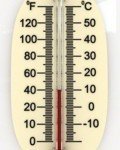 Manufacturers would say they design them to be installed in a kitchen. However, to me it does seem less than ideal to rely on only one sensor or stat to control two different parts of the appliance (just to save money). Many fridge freezers do have separate stats. As saving money is the only possible advantage I can think of it’s therefore presumably more likely to affect the cheaper range of fridge freezers.
Also, there are reports that many refrigeration appliances are not guaranteed to work properly if temperatures drop below 10 degrees centigrade. I would imagine many people have appliances in parts of their homes and even in some kitchens where the temperature can drop below 10 degrees during the night or – what about when on holiday in the winter when the heating may be left off or on low enough only to prevent freezing?

Forbes specialise in renting Bosch appliances so they know them inside out. They also rent other brands and many other products – more details
If an appliance is installed in a kitchen and temperature drops during the night or holiday periods cause it problems I would say that’s a design issue. You cannot be expected to keep the heating on 24/7 to keep an appliance running. However, if installed in an out building or garage I would think you have much less of a claim other than why weren’t you asked at the point of sale where you would be installing the appliance?
What can be done about it?
A fridge freezer with only one thermostat operating inside the fridge compartment is not suitable to run in a particularly cold environments. If affected you need to either exchange it for a fridge freezer with two thermostats controlling the fridge and freezer independently, or swap it for a separate fridge and freezer, or you need to somehow stop the environment from getting below 4 °C (which is likely to be impractical).
Do I have any comeback if my fridge freezer doesn’t work in my garage?
 The short answer is probably not, at least not with the manufacturer, you have placed it in an environment it is not designed for. If it was me I might be annoyed though that the person I bought it from did not enquire as to whether I intended to place it in a garage or not. I would argue this problem is in no way common public knowledge, but most retailers are well aware of it because they get called out to them all the time.
All manufacturers and aftersales engineers also know about this issue because they too get called out lots of times under guarantee and have to tell the customer there’s no “fault” on the appliance and it’s not covered under guarantee. Some might say it’s the responsibility of the shop you bought it from to advise at the point of sale that it is not suitable for fitting in a garage or other outbuilding because the companies (not necessarily individual sales staff) know that so many people place them there. I don’t know whether trading standards would agree or not.
At one time, Comet, one of the largest UK retailers of such appliances carried out a survey where they found that around 15% of call outs to fridge freezers were caused by them being placed incorrectly in a garage or another building subject to very cold temperatures. This being the case, I would have thought it common sense for all their sales staff to be instructed to ask any customer buying such a fridge freezer where they intended to site it but they never were.
This is not only in the customer’s interest but in the interest of the retailer as any customer affected by this problem is likely to be pretty upset about it. At the end of the day it’s unlikely that any retailer is legally obliged to check on these matters but personally I believe they should because it’s very common for people to site fridge freezers in their garage and they should know that.
If affected, is my appliance damaged, or will it recover if moved to somewhere warmer?
If the freezer is defrosting due to the room being so cold it switches off the thermostat inside the fridge – and the fridge freezer is only controlled with one thermostat in the fridge (no stat or sensor in the freezer) then no damage should be inflicted. The freezer has only stopped working because the fridge stat has stopped working. Once temperatures increase it should work normally again. However, make sure you don’t wrongly assume this is the cause of a defrosting freezer as of course faults can occur causing freezers to stop working too.
Could a fridge-freezer start to defrost in a kitchen during winter months if the heating isn’t on?
 This question has been asked a few times and I am presuming yes, there could be a problem if you have a fridge-freezer with only one thermostat controlling both the fridge and freezer and you go away on holiday when its cold. I’m not sure how most people do it, but normally when we go away we leave the heating off but we’ve never gone away in winter. If you went away and didn’t leave the heating on low (say around 14 – 15 degrees) then potentially during prolonged cold periods if the ambient temperature in the kitchen drops low enough (around 0 – 4 degrees C or colder) the fridge thermostat or sensor is likely to shut off as the temperature in the fridge becomes cool enough.
This won’t be an issue for the contents of the fridge because of course it’s reached the correct temperature. But if the freezer compartment is also controlled by the stat inside the fridge then this will stop the freezer coming on too. Therefore if the temperature remained cold enough to not require further cooling inside the fridge compartment then freezer compartment will not get any further cooling and after sufficient time has passed will start to thaw out.
The chances are if this did occur then unless you have an appliance with a warning light or sound to indicate the temperature of the freezer has warmed up enough to adversely affect the quality of the frozen food you might not realise the food has partially defrosted compromising its quality.
My advice would be that if you think you could be affected then if any food inside the freezers seems a little off when you thaw it out to use then throw it away. If you do have a fridge freezer that sounds or displays a warning if the temperature has been compromised you should assume the food has been partially defrosted even if it is rock solid when you come back.
Related: More articles
Repairs
Fixed-price repairs, Pay monthly options, Repair & protect your whole appliance..
Save Money Now
Subscribe to Which? today and start saving money now. Subscription offers often available.
Spares
Spares4Appliances is a spares company run by repair engineers who understand all about spare parts for appliances.
Hello Mike: I couldn’t say if yours has a fault or not but these appliances can make some very strange noises, gurgling, hissing, rushing water sounds and even loud cracks. It’s good to know the Beko fridge is coping with the cold weather in the garage.
Thank you for your very prompt response. Sounds like (if you’ll forgive the unavoidable pun) it may have a fault, and it may not.
Like the Beko man said: you only need to worry if the temperature rises in the freezer. Maybe. But I try to worry before it gets critical. Anyway, I’m reassured for now, if still puzzled by the source of the variety of noises you describe.
I’m still not entirely convinced that a frost-free was the right decision. Apart from the odd noises you gain, you do lose a lot of internal volume. And long-term reliability and running costs are still waiting to be established. I’m keeping everything crossed.
I’m happy with the Beko Frost-Free Fridge Freezer I bought especially to cope with my cold conditions in April last year. And cope it has.
Nowadays it is noisier though. The fan still runs smoothly with a pleasant low hum. But now there is also a gurgling and (more disconcertingly) an occasional wheezing, possibly, as if a piston is struggling to push.
Beko have said it is normal. Due to change in ambient temp. Working harder now as weather cold. Noise is the sound of compressor pumping coolant.
My sense is that this sounds illogical since coolant is pumped all year, and even when the fan is not operating. Also coolant pumping would be smooth (like central heating circulator pump) and not in short bursts as in the wheezing.
So, I’m not sure that I am happy with this explanation and I’d like to know for sure before the guarantee runs out.
Any thoughts?
Its a pity these comments cant be sent to the manufacturers and the designers,maybe then they will realise the shortcomings of a useless design. And make and indeed sell more freezers and fridges that do work at lower temperatures and save all this banter, saving time wasted effort and frustration.
I to have got this problem and I am very angry, we seem to be going backwards.
Like so many other products we have been making for over 150years and you would of thought by now they should be perfect.
Hi All ….. I have read this blog with interest. I have the solution! It worked for me! I bought a fridge from Comets last year but …… when I did, I informed the sales man it was going into my garage. He said nothing and gave me no advice – all shop floor sales peeps want is a sale!
Needless to say, it went wrong this winter during the cold spell. I went back to Comets, complained / argued I was sold a fridge which was not ‘fit for purpose’ as i had advised what I wanted it for and where it would be located. It was initially refuted I had told the salesman but I pressed my facts / logic. Comets then refunded me, took the fridge back and advised they did not sell ANY fridges that worked in the climate class required. So …… the lesson learnt is always tell the shop WHY / WHAT you are making your purchase for – for any purchase you make. if it is then mis-sold to you, law states you have redress because it is either misrepresentation or a sale not fit for purpose. Hope that helps.
Thanks for that Leon: It’s vital to tell the sales person where you intend to site the appliance if it’s not to go in the “normal” place. That way you have full rights to return it as unfit for purpose under the sale of goods act if it proves to be unsuitable for the requirements you specified. However, proving you asked is impossible unless you have it in writing. The fact that you did ask though makes your protestations much more believable as you know you aren’t lying. They probably realised you were pretty genuine.
My ancient (22years +) freezer out there in the garage is seemingly on its last legs. I think I’ll have to replace it tomorrow. It’s worked fine over two decades and through a couple of bitter recent winters. The thing is, I’ve read all the stuff about low ambient temperatures, and what I need to know is if the low tempreature restriction also valid for a conventional freezer (with no fridge bit). I hope someone can tell me, and I’m also disconcerted to find thatthis perfectly normal situation of a fridge or freezer in a garage hasn’r t been solved. Can anyone help please?
Neil: Freezers shouldn’t be affected by the defrosting in cold weather issue that some fridge-freezers have when the fridge stat turns off, but they are still prone to certain issues if installed in places that exceed the maximum temperature or drop below the minimum temperature as stated on the appliances climate class
They can also suffer from condensation, and manufacturers may try to void the guarantee. However, many separate freezers and fridges reside in garages all over the country as do mine. I have 1 fridge and 2 upright freezers all of which appear to function perfectly ok. If you buy one intended to go into a garage I would consider a Beko freezer, which appears to be only brand that says their freezers are ok down to quite a cold temperature. At the very least you should ensure any freezer has an alarm that warns you if the temperature has been raised to dangerous defrosting levels.
My 2 freezers have been in my garage over the recent extremely cold spell when outside temperatures dropped bellow minus 14 and neither of them partially defrosted – even though my water pipes burst.
I found all the blogs very helpful – having decided that it should be a beko for the new freezer for my garage -I went to local store and was told I didn’t need to by a beko (frost free versions as they are guaranteed to work to minus 15)!!!! what am I supposed to do now? as I only need a freezer what do y ou advise ?
thanks and regards, rather confused!
Fay: It’s fridge-freezers that have this specific issue of defrosting in cold temperatures though fridges and freezers are still only rated to work within specific temperature ranges as described here – Climate Classes for fridges, freezers and fridge-freezers and could suffer problems if sited in areas where the temperature greatly exceeds the range specified by the climate class. I personally have one fridge and two separate freezers in my garage which appear to work fine though apart from the freezers accumulating large wet patches of condensation sometimes.
You need to ask what its climate class is. Climate class should be printed on the rating plate usually inside the appliance (Where is the model or serial number on a fridge or freezer?) Please let me know so I can add it. The climate class list I’ve published has the lowest acceptable temperature at 10 degrees C.
Ultimately if they say it will be ok to go in your garage and it isn’t you will be entitled to a refund under the sale of goods act. Get them to put it in writing somewhere or show you the climate class or instruction book where it says it will be ok down to -15. Please keep us informed.