
Washing machine only just out of guarantee
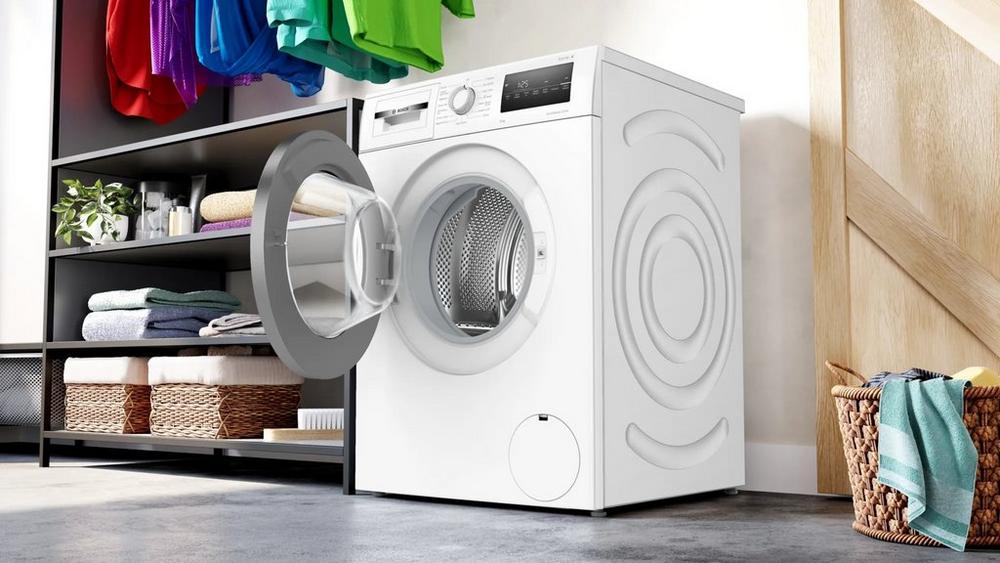

Your washing machine guarantee is separate from – and in addition to – your statutory rights under the Consumer Rights Act 2015. Even after the guarantee has expired, you may still be entitled to claim compensation if the machine was not of satisfactory quality or did not last a reasonable time. UK law allows up to 6 years from purchase to take action (5 years in Scotland).
When a washing machine develops a fault after the guarantee has expired, many people assume they have no options and accept the cost of repair or replacement. In many cases, that assumption is wrong. Understanding how guarantees and consumer rights work together is the first step to knowing where you stand.
What Does Your Washing Machine Guarantee Actually Cover?
The guarantee that comes with a new washing machine is not a gift from the manufacturer – it is built into the purchase price. More importantly, it is a separate layer of protection that sits on top of your statutory rights, not instead of them.
No law requires manufacturers to provide a guarantee at all, but all major brands do. What the guarantee cannot do is remove or reduce the legal rights you already have as a consumer. Those rights exist regardless of what the guarantee says, and regardless of whether the guarantee period has expired.
 The Manufacturer’s Guarantee
A voluntary commitment – typically 12 months – covering faults that arise under normal use. It sits in addition to your legal rights, not instead of them.
 Your Statutory Rights
Legal protections under the Consumer Rights Act 2015 that cannot be taken away. These apply regardless of the guarantee period and for much longer than 12 months.
What Are Your Rights Under the Consumer Rights Act 2015?
Under the Consumer Rights Act 2015, a washing machine must be of satisfactory quality, fit for purpose, and last a reasonable length of time. It must also be free from inherent faults – defects that were present at the time of sale, even if they were not immediately obvious.
UK law allows up to 6 years from the date of purchase to take legal action against a seller (5 years in Scotland). This does not mean every fault within that period automatically entitles you to compensation – but it does mean the guarantee expiring does not end your rights.

Within the first 6 months of purchase, the law assumes any fault was present from the point of sale. After 6 months, the burden shifts to you to demonstrate the fault was inherent or that the appliance did not last a reasonable time.
What Is an Inherent Fault?
An inherent fault is one that was present in the washing machine from the day it was manufactured or sold – even if it took months or years to become apparent. A design error or a substandard component may function for some time before failing, but if that failure happens unreasonably soon and can be shown to originate from a pre-existing problem, it may constitute a breach of the Consumer Rights Act 2015.
If you can show that a fault is inherent – for example, by demonstrating that large numbers of the same model have experienced the identical failure – you have a much stronger basis for a claim. Online forums and consumer complaint records can be useful evidence here.
What Does “Reasonable Time” Actually Mean?
The Consumer Rights Act 2015 does not define exactly how long a washing machine should last – it uses the phrase “a reasonable time,” which is open to interpretation and depends on the individual circumstances of each case. The factors most likely to be weighed are:
| Factor | How It Affects Your Claim |
|---|---|
| Purchase price | A higher-priced machine is expected to last longer than a budget model |
| Intensity of use | Daily washing for a large family places more wear on a machine than occasional use |
| Age of the machine | A fault after 18 months is treated very differently to one after 5 years |
| Nature of the fault | A worn brush is a wear part; a failed control board or drum bearing is a more significant failure |
| Whether the fault is inherent | Evidence of a widespread design or manufacturing defect strengthens any claim considerably |
Fair Wear and Tear: What You Cannot Claim For
Not every breakdown within the 6-year window gives rise to a valid claim. Washing machines are mechanical appliances that work hard, and some component failure over time is expected and normal. The Consumer Rights Act 2015 does not protect against fair wear and tear.
To succeed with a claim, you need to show either that the machine had an inherent fault present at the time of purchase, or that it failed to meet the standard of quality a reasonable person would expect given the price paid and the usage involved. A machine that costs £200 and has washed daily for a family of five for three years may well have lasted a reasonable time, even if it now needs a repair.
What Can You Actually Claim?
If a fault is covered by your statutory rights, the most common remedy is a contribution towards the cost of repair, or in some cases a partial refund that reflects the use you have already had from the machine. A full replacement is typically only realistic in the early stages of ownership.
In practice, most retailers and manufacturers will not offer anything voluntarily once the guarantee has expired. Enforcing your rights often requires a formal complaint, and in some cases a claim through the small claims court. Many consumers have been successful this way, but it requires preparation and persistence.
Always double-check your position using free guidance from Citizens Advice or the Government’s consumer rights resources before taking legal action. The information on this page is provided in good faith as a general guide only.
Need Help With a Faulty Washing Machine?
Whether you want to get it repaired or need genuine spare parts, Whitegoods Help can point you in the right direction.
Related Guides
Faulty Appliances and the Consumer Rights ActHow long you have to claim for a faulty appliance and what the Consumer Rights Act 2015 actually entitles you to.
 Out of Guarantee? You May Still Be Covered
Why the guarantee expiring does not necessarily mean you have no rights, and when you can still make a claim.
 Manufacturer or Retailer: Who Is Responsible?
Who holds the legal obligation when an appliance develops a fault, and who you should be directing your complaint to.
 Is the Consumer Rights Act Too Hard on Retailers?
Why retailers resist consumer claims and why establishing a fault is rarely as straightforward as it should be.
Frequently Asked Questions
Does my washing machine guarantee replace my statutory rights?
No. The manufacturer’s guarantee is offered in addition to your statutory rights under the Consumer Rights Act 2015. It cannot remove or reduce those rights. Even after the guarantee has expired, your legal protections remain in place.
How long do I have to claim for a faulty washing machine?
UK law allows up to 6 years from the date of purchase to take legal action against a seller (5 years in Scotland). This does not mean every fault within that period guarantees compensation – the circumstances of the fault, the cost of the machine, and how it was used all affect whether a claim is likely to succeed.
What is an inherent fault and how do I prove one?
An inherent fault is a defect that was present in the machine at the time of sale, even if it took time to become apparent. Proving one typically involves showing that the failure was not caused by misuse, and ideally demonstrating that the same fault has occurred widely across the same model – which can often be established through online forums or consumer complaint records.
Can I claim if my washing machine breaks down after 3 years?
Possibly. It depends on the cost of the machine, how intensively it has been used, and the nature of the fault. A major structural failure on an expensive machine used lightly over 3 years is more likely to support a claim than a worn component on a budget machine used heavily every day.
What can I actually claim – a repair, replacement, or refund?
Once outside the early stages of ownership, a full replacement or refund is rarely realistic. The more common outcome is a contribution towards repair costs, or a partial refund reflecting the use already had from the machine. The exact remedy depends on the circumstances and what can be negotiated or awarded.
What if the retailer refuses to help?
Start with a formal written complaint citing the Consumer Rights Act 2015. If that fails, seek free advice from Citizens Advice. The small claims court is an option for disputed amounts, and many consumers have succeeded this way – but it requires you to be confident in your case before proceeding.
Ask the repair forum
Post the make, model and symptoms and get help from the Whitegoods Help community.
31 Comments
Grouped into 14 comment threads.
1 reply Bought a Hisense washing machine. Customer service is shocking (from the manufacturer not the company I bought from, so will go back to them today, as per article). Bought in May 2021, 2 year warranty stated so outside of it now. Purchased for £329, used weekly between 2 persons and baby. The glass door has cracked and glass has came away from the door (also scarred my finger whilst removing). This was on a drum clean (programme on the machine). Would you say this is general wear and tear (the manufacturer states physical or mechanical damage so wouldn't be covered from warranty) or would it come under consumer act and go back to where I bought from?
2 replies Hi there, My washing machine has just turned 2 years old. It had a fault within first 12 months and an engineer fixed it. The first time, it wouldn’t drain and sending out error codes. Faulty electrical wires and drain pump replaced. 2nd repair was due to it flooding and not working properly sending out error codes. Engineer came out and fitted it like a new machine. New PCB, new switch board, drain pump, belt etc and now it has flooded again causing damage to my property. 3rd visit engineer came last week fitted drain hose to machine. Said it was safe to use. Said would order new door because there’s a small crack on handle but doesn’t affect machine and another drain pump apparently just to cover all angles. Reassured me that the flooding wouldn’t happen again and could use my machine until he came back to fit the other parts… Went to use my machine after 3rd repair…It flooded worse than before! Machine flooded water everywhere! The engineer had made the fault worse.I came downstairs to chaos. So much water had come out of the machine that I couldn’t mop it up. I had to suck it up with the wet vac dryer. It damaged my flooring and woodwork I.e door frame and skirting The flood seeped through to my living room wall and has caused mold and damage to my carpet which now has brown patches and stinks of a musty damp smell as well as damage to my Lino in the utility room. I had to turn off the water inlet tap. Haven’t used machine since. Their engineer they recently sent out told me that the company will still keep sending out for repairs rather than replace machine even if the repair costs more than the machine. The repair company is apparently a sister partner so they make money off of Electrolux repairs. Zanussi is still trying to give me another repair despite me saying I now want a replacement. They’ve told me to send videos of machine to escalate it. Been going around in circles and now have been without a washing machine for a few weeks. Where do I stand? Am I able to get an exchange? Can I claim compensation for damage to my property caused by the faulty machine? The machine cost me £300 and it’s a family of 4. Thank you
Hi there,
My washing machine has just turned 2 years old. It had a fault within first 12 months and an engineer fixed it. The first time, it wouldn’t drain and sending out error codes. Faulty electrical wires and drain pump replaced. 2nd repair was due to it flooding and not working properly sending out error codes. Engineer came out and fitted it like a new machine. New PCB, new switch board, drain pump, belt etc and now it has flooded again causing damage to my property. 3rd visit engineer came last week fitted drain hose to machine. Said it was safe to use. Said would order new door because there’s a small crack on handle but doesn’t affect machine and another drain pump apparently just to cover all angles.
Reassured me that the flooding wouldn’t happen again and could use my machine until he came back to fit the other parts… Went to use my machine after 3rd repair…It flooded worse than before! Machine flooded water everywhere! The engineer had made the fault worse.I came downstairs to chaos. So much water had come out of the machine that I couldn’t mop it up. I had to suck it up with the wet vac dryer. It damaged my flooring and woodwork I.e door frame and skirting The flood seeped through to my living room wall and has caused mold and damage to my carpet which now has brown patches and stinks of a musty damp smell as well as damage to my Lino in the utility room.
I had to turn off the water inlet tap. Haven’t used machine since. Their engineer they recently sent out told me that the company will still keep sending out for repairs rather than replace machine even if the repair costs more than the machine. The repair company is apparently a sister partner so they make money off of Electrolux repairs. Zanussi is still trying to give me another repair despite me saying I now want a replacement. They’ve told me to send videos of machine to escalate it. Been going around in circles and now have been without a washing machine for a few weeks. Where do I stand? Am I able to get an exchange? Can I claim compensation for damage to my property caused by the faulty machine? The machine cost me £300 and it’s a family of 4.
Thank you
Hello Marie. I think you need to get assistance from a consumer group like citizens advice. Most people make the same mistake in that they keep asking the people who are coming out to repair their machine for a replacement. They very seldom do, they have no obligation to replace anything. It was the retailer who took your money, and therefore the retailer that you have the contract with. The manufacturers only have an obligation to keep repairing whilst it is under their guarantee.
You should be able to claim for what is known in legal terms as, “consequential damage” if the flood was caused by an engineer, or a fault. However, my understanding is that you would need to have acted reasonably to mitigate any damage. In other words if you had gone out and left the washing machine unattended, it could be argued that this was quite negligent, particularly as it had just been repaired. But if you just went about your normal business and caught the flood fairly quickly, and did everything you could to mitigate any damage, then I believe you may have a claim.
I would double check with citizens advice on whether it is best to pursue the repairers or the retailer for the consequential damage. It is normal practice for retailers or manufacturers faced with a claim for consequential damage to try and con the customer into claiming on their household insurance instead. This is completely disingenuous, and a blatant attempt to get out of paying up. They have their own insurance to cover these things.
It would definitely be easier to claim on your house insurance. And it would be less stressful. So there’s always that possibility, but of course this would mean that it would cost you money. Probably hundreds of pounds because there is always an excess that you have pay to the insurance company, and they are very likely to put your future payments up.
1 reply Bought a Beko fridge freezer through AO March 21 specifically chosen as it has Freezer guard and can go in the garage with temps dropping to up to - 15C. The cold snap last week didn't see temps drop to anywhere near that. (I am on the SEcoast). Yet today it seems to be not working. What's my 1st step. It cost £330 20 months ago.
Bought a Beko fridge freezer through AO March 21 specifically chosen as it has Freezer guard and can go in the garage with temps dropping to up to – 15C. The cold snap last week didn’t see temps drop to anywhere near that. (I am on the SEcoast). Yet today it seems to be not working.
What’s my 1st step. It cost £330 20 months ago.
Hello Pat. Unless the fridge freezer specifically says it can work in temperatures of -15°C then it may just not work properly at all when it gets too cold. The overwhelming majority of refrigeration appliances are designed to work in a kitchen and a kitchen is not expected to get anywhere near as cold as that.
In actual fact though, Beko are one of the only manufacturers that claim their refrigeration appliances work in colder temperatures but I’m not sure if that applies to fridge freezers combined. This is because they usually only have one temperature stat inside the fridge. Which is not really much use for a combined fridge and freezer when one half needs to be kept between 0 and 5°C and the other half needs to be kept at -18°.
There are very few, if any, fridge-freezers that will work properly even when it gets down to about 8 or 9°C. For a full explanation, read my article here, and also check out the 2 relevant articles that are linked inside it about climate class and fridge and freezers in a garage how are fridges and freezers affected by room temperature especially when it is cold?
1 reply Hi I bought fridge through curry in 2015. I rang grundig the manufacturer and they sent engineer and I was told its unrepairable as the pipes are all rusted. This is clearly a manufacturer fault. Cause I am out of warranty they can't send a replacement fridge. What should I do?
Hi I bought fridge through curry in 2015. I rang grundig the manufacturer and they sent engineer and I was told its unrepairable as the pipes are all rusted. This is clearly a manufacturer fault. Cause I am out of warranty they can’t send a replacement fridge. What should I do?
Likely replying to Homera Ali
Hello Homera Ali. I expect it would depend on where it has been used, but if it has just been used in a normal kitchen and not an outbuilding or garage then they shouldn’t be able to blame external things. It also depends on how much the fridge cost. So if it was a very cheap fridge and it has lasted nearly 6 years there is an argument that it isn’t so bad.
On the other hand if it was expensive, it could be easily argued that it hasn’t lasted anywhere near as long as it should have. Unfortunately I don’t think Grundig actually manufacture fridges. I suspect they are one of the many companies that, “badge” up appliances (like Russell Hobbs, Kenwood and many other manufacturers with decent brand names and reputations for making nonwhite goods products). That is they get another manufacturer to make them for them and put their badge on them. Badged appliances are rarely high quality ones.
At the end of the day it all boils down to how long you should expect a fridge to have lasted. Six years is probably about four years short of what would be expected for a normal fridge unless it was a really cheap budget one. Therefore your argument would need to be that it has only lasted about 60% as long as it ought to have. If you can get the retailer to agree then you would only be entitled to about 40% refund of the cost of the appliance because you have already enjoyed 5 to 6 years of it.
It is the retailer that is responsible under the consumer rights act 2015 but unfortunately they are usually very poor at complying with many of the terms without people having to fight. It’s okay if something goes wrong straightaway, but once it is out of the manufacturers guarantee they are highly reluctant to pay any money out at all despite being legally required to do so. Therefore I would work out how much this amount is likely to be, and decide whether it is worth fighting for or not. The main thing to bear in mind is that the manufacturer is not obliged to do anything so don’t waste any time arguing with them.
1 reply Hi , I bought a Smeg induction oven in oct 2017 didn't take out the 3 year warranty but paid 4,800 for the oven , the induction hob gave a big bang and flash now none of the hobs work . contacted the retailer and they told me to contact Smeg which i did but they said i had no warrenty and couldn't have it repaired without being charged!! Not sure where i stand with my consumer rights . who do I claim off ?the retailer or manufacture ? to either get it repaired or replaced. Please can someone help. Thanks
Hi , I bought a Smeg induction oven in oct 2017 didn’t take out the 3 year warranty but paid 4,800 for the oven , the induction hob gave a big bang and flash now none of the hobs work . contacted the retailer and they told me to contact Smeg which i did but they said i had no warrenty and couldn’t have it repaired without being charged!! Not sure where i stand with my consumer rights . who do I claim off ?the retailer or manufacture ? to either get it repaired or replaced.
Please can someone help.
Thanks
Likely replying to Helen HAWKINS
Hello Helen. Once it’s out of guarantee it is the retailer Is manufacturer or retailer responsible for faulty appliances?. But unfortunately the retailer is highly likely to say the exact same thing, that is, it is out of guarantee so no free repair. However, if you do have a genuine case under the consumer rights act then this is something they should not be saying that usually still do. This is all explained in my article here, Out of guarantee – even by a long time doesn’t always mean you should pay I would certainly say that if you paid almost £5000 for an oven and hob and it should definitely last a lot longer than just over three years. If they refuse to comply you will need to get some expert consumer help but read both of the articles carefully that are linked to to get a better understanding.
0 replies Sorry for a late reply Carl, I don't think I received a notification about your comment. I agree that 2 years is very poor, and that it is ridiculous that not only did the drum bearings fail so early but that you can't replace them without fitting an entire new drum, which no one would be daft enough to do. However, I have had to come around to the idea that if a washing machine only cost £200 then that's how they do it. That's the price of it. These ridiculously cheap appliances are throwaway and we need to realise it. The only way manufacturers can produce washing machines so cheaply is to make them of poor quality and make them unrepairable. You could try to argue it should have lasted longer but it would be difficult with it costing so little especially if it's been washing for a family. I have an article looking at this issue here why don't modern washing machine's last very long? One of the facts mentioned that puts this into perspective is - In 1973, a basic Hoover washing machine was £94.88, that’s equivalent to £1,192.74 in 2019! (Source Inflation calculator). Today – over 40 years later a similarly basic model but with faster spins and a bigger drum can be bought for £220. That's equivalent to just £21.47 in 1973. So in 40 years, the price of a basic washing machine has dropped (in real terms) by nearly 80% which is absolutely staggering. An 80% reduction in cost is impossible without reducing the quality and longevity of the product. If you want to produce a washing machine made as well as the Hoover was in 1973 it should cost much more like £600+ and with extra features and technical advances it should easily be £800+. So ultimately £200 is a totally unrealistic price for a washing machine. They shouldn't be selling them but they are, we definitely should not be buying them at that price unless we expect that they will not last very long unless we are lucky.
Sorry for a late reply Carl, I don’t think I received a notification about your comment. I agree that 2 years is very poor, and that it is ridiculous that not only did the drum bearings fail so early but that you can’t replace them without fitting an entire new drum, which no one would be daft enough to do. However, I have had to come around to the idea that if a washing machine only cost £200 then that’s how they do it. That’s the price of it. These ridiculously cheap appliances are throwaway and we need to realise it. The only way manufacturers can produce washing machines so cheaply is to make them of poor quality and make them unrepairable.
You could try to argue it should have lasted longer but it would be difficult with it costing so little especially if it’s been washing for a family. I have an article looking at this issue here why don’t modern washing machine’s last very long?
One of the facts mentioned that puts this into perspective is –
In 1973, a basic Hoover washing machine was £94.88, that’s equivalent to £1,192.74 in 2019! (Source Inflation calculator). Today – over 40 years later a similarly basic model but with faster spins and a bigger drum can be bought for £220. That’s equivalent to just £21.47 in 1973. So in 40 years, the price of a basic washing machine has dropped (in real terms) by nearly 80% which is absolutely staggering.
An 80% reduction in cost is impossible without reducing the quality and longevity of the product. If you want to produce a washing machine made as well as the Hoover was in 1973 it should cost much more like £600+ and with extra features and technical advances it should easily be £800+.
So ultimately £200 is a totally unrealistic price for a washing machine. They shouldn’t be selling them but they are, we definitely should not be buying them at that price unless we expect that they will not last very long unless we are lucky.
0 replies I bought an Indesit IWC71452 Washing Machine two years ago and although it is beyond its one year guarantee and I did not take out an extended warranty (I shouldn't need one within the first five years of a washing machine anyway), I would have expected more than two years service from a washing machine. The bearings are worn and the sound is obvious when spinning. The bearings alone cannot be replaced as they have to be bought as part of the drum and tub set; £200. The machine was £200 brand new in 2018. What are my chances of claiming compensation as the machine may not have been "of merchantable quality" or "unfit for purpose"?
I bought an Indesit IWC71452 Washing Machine two years ago and although it is beyond its one year guarantee and I did not take out an extended warranty (I shouldn’t need one within the first five years of a washing machine anyway), I would have expected more than two years service from a washing machine.
The bearings are worn and the sound is obvious when spinning.
The bearings alone cannot be replaced as they have to be bought as part of the drum and tub set; £200.
The machine was £200 brand new in 2018.
What are my chances of claiming compensation as the machine may not have been “of merchantable quality” or “unfit for purpose”?
1 reply Hi We recently purchased a kitchen from Wren - £12,000 : we installed with our own guy and not wren - due to bad reviews . Anyways bought end October 2019 - we had delays on moving into the house and kitchen being fully fitted - no gas and electric until January 2020. Moved into the house beginning of jan - this is when all Plastic films etc removed from units and appliances- at this point - faults were noticed - only a few to start - 1) CDA HOB: chip on hob - which after 3 weeks use middle ring of hob does not stay alight. 2) Neff ovens - scratches on one- at the top along the digital clock area - not in keeping with any of the other ovens ( no scratches on these ) 2b) second oven : use of self clean mode - water marks between panels of glass 3) microwave - dust inside digital clock 4) chipped plastic fridge draw All products used for less than a month - this is not an exhausted list and many of the units have chips on them ( these are within wrens 12 months guarantee) I have contacted wren - they said although I of their 28 days they would take a final order - we initially gave some of the products - customer service said to make sure all products checked as this would be deemed a last order - so we did . 16 items later - many units chipped - they are now saying as the appliances at out of 28 days they can not replace them - although they had said they would replace hob ( first thing informed of fault) now it seems too many items and retracting what they have promised . Have offered 20 % refund on some of the items . Scratches on oven , chip on plastic fridge door, and hob . And that they would contact the oven company in regards to water and dust issues . - I have gone into ring Neff myself and they have informed me of my consumer rights and these issues should still be resolved with wren . Any advice or anything I can say to ensure a quick reaction and replacement of items would be greatly appreciated . Ironically the rep at wren ensured us that products of faulty would be replaced swiftly as we had highlighted some concerns prior to purchase !
Hi
We recently purchased a kitchen from Wren – £12,000 : we installed with our own guy and not wren – due to bad reviews .
Anyways bought end October 2019 – we had delays on moving into the house and kitchen being fully fitted – no gas and electric until January 2020. Moved into the house beginning of jan – this is when all
Plastic films etc removed from units and appliances- at this point – faults were noticed – only a few to start –
1) CDA HOB: chip on hob – which after 3 weeks use middle ring of hob does not stay alight.
2) Neff ovens – scratches on one- at the top along the digital clock area – not in keeping with any of the other ovens ( no scratches on these )
2b) second oven : use of self clean mode – water marks between panels of glass
3) microwave – dust inside digital clock
4) chipped plastic fridge draw
All products used for less than a month – this is not an exhausted list and many of the units have chips on them ( these are within wrens 12 months guarantee) I have contacted wren – they said although I of their 28 days they would take a final order – we initially gave some of the products – customer service said to make sure all products checked as this would be deemed a last order – so we did . 16 items later – many units chipped – they are now saying as the appliances at out of 28 days they can not replace them – although they had said they would replace hob ( first thing informed of fault) now it seems too many items and retracting what they have promised . Have offered 20 % refund on some of the items . Scratches on oven , chip on plastic fridge door, and hob . And that they would contact the oven company in regards to water and dust issues . – I have gone into ring Neff myself and they have informed me of my consumer rights and these issues should still be resolved with wren .
Any advice or anything I can say to ensure a quick reaction and replacement of items would be greatly appreciated . Ironically the rep at wren ensured us that products of faulty would be replaced swiftly as we had highlighted some concerns prior to purchase !
Likely replying to Nikki
Hello Nikki. Yes it’s a cautionary tale regarding not inspecting and using appliances straightaway. It’s not a criticism of you, you obviously could only fit them when it was properly convenient. But as a general rule of thumb it is always vital to at least unpack and inspect any brand-new appliance that is delivered as soon as possible. The retailer is highly receptive to dealing with problems when they are so immediate. When somebody rings up and says your deliveryman has just left and we have found a fault they are extremely helpful, and feel in a very weak position. But when people ring up and say you delivered a washing machine three months ago and we have just found a fault, as you have found, things are very different indeed. You of course still have the same rights but you are in a much weaker position.
As the manufacturer has said, it is the company you bought it all from that is responsible for sorting this out. 20% refund on some items if the scratch is not too obvious might be quite a good deal. Obviously that’s for you to decide. Any actual faults need repairing under guarantee, which will probably involve the manufacturer. So if there is an actual fault on one of the appliances if you want it repairing you should be able to ring up the number on the appliance itself or on the Appliances instruction manual and get it repaired. If on the other hand you want to reject the appliance because it is faulty we normally have 30 days to do that but as you know the circumstances have meant that these time periods have passed. The time periods are periods from the date of purchase so this is one of the disadvantages of not using an appliance straightaway.
If for example someone bought a washing machine, but left it in its original packaging and did not use it for two years. If when they first use it it was faulty they have little recourse because it is out of its guarantee. They cannot prove that they haven’t used it, and manufacturers and retailers will always use the time periods to get out of things even if arguably they should be understanding and sympathetic about it. You should be able to argue that it is not unusual for people to have delays between the delivery of appliances and installation when it comes to having a new kitchen fitted.
If you want to reject the entire kitchen because of the multiple faults you would really be better enlisting the help of the consumer group such as Which? or citizens advice. From your description of issues it does seem suspicious. I’m sure you have suspicions that may be the appliances have suffered some environmental damage or something is not quite right about them. At the end of the day the retailers when faced with having to take a financial hit will nearly always try to get out of it all reduce the impact of them. They know that most people are relatively timid and do not relish a fight. But if determined, and unwilling to give up the customer will often end up with a much better deal or compensation than was first offered.
5 replies bought belling double gas oven flame goes out when ignition is released on main oven top oven is ok purchased feb 2013 retailer says contacted belling who claim not a fault there aware of so want £145 to repair it strange as I to spoke with belling and sales quoted me same £145 she knew of problem any one else had same fault there claiming wear n tear only 2 people in house & 2 ovens thanks for any replies k wood
bought belling double gas oven flame goes out when ignition is released on main oven top oven is ok purchased feb 2013 retailer says contacted belling who claim not a fault there aware of so want £145 to repair it strange as I to spoke with belling and sales quoted me same £145 she knew of problem any one else had same fault there claiming wear n tear only 2 people in house & 2 ovens thanks for any replies k wood
Likely replying to kevin wood
Hello Kevin. The article is more about products that are only just out of guarantee. After over 5 years it’s a totally different issue. Depending on the advertised quality and price it’s not unexpected or necessarily unacceptable for something to break down. If the oven cost a lot of money and was advertised as a premium quality oven you might try to argue it shouldn’t have broken down by now especially with little use.
However, after 5 years it will be very difficult to win a case so you’d have a tough job to get anywhere. The manufacturer and retailer will both stick to their guns that this is just what happens to appliances, they sometimes need repairing. You would have to prove that it is a design fault, or was not of sufficient quality. As I said if the oven cost say £1500 you might have a case but if it was say £400 I’d say not. If the fault turned out to be beyond reasonable repair though it might be a stronger case that it hasn’t lasted a reasonable time.
Likely replying to Andy Trigg (Whitegoodshelp)
Hi Andy,
I bought a SIA cooker hood in Aug 17, in Dec 18 it stopped working all together although the lights were still working. During that time it had minimal use, once or twice a week at most as I live on my own. The seller refused to replace the product or offer a refund. They offered a replacement motor which I reluctantly accepted after several emails and had to have fitted at my own expense as they wouldn’t cover this. This didn’t solve the problem, the seller is still refusing a full refund or replacement and have offered a partial refund of £70, the item cost £130. Should I accept this partial refund or am I entitled to either a replacement of full refund?
Thanks, Anna
Likely replying to Anna
Hello Anna. It was unwise of them to assume was the motor. Time and money has been wasted. However, I’m surprised that the person who fitted the motor and found that it didn’t work wasn’t able to carry out further tests to establish what the actual fault was. It could be something as simple as a poor connection somewhere.
There are very few parts in cooker hood. So if the lights are working but the motor isn’t running, and it definitely isn’t a fault on the motor, that only leads a fault on the switch that turns the motor on, or a faulty connection between the switch and the motor, or potentially a fault on any small PCB that might be fitted. If making a claim under the consumer rights act you really need to know what the fault is first.
It’s very unusual for a retailer to send you a part. They would normally want to send an engineer to find out what the fault is. As I said, without knowing exactly what the fault is you can’t know what action needs to be taken. If it was the motor that had failed you might be able to argue that a major part has failed after just over a year. And that’s not good enough. But if it’s only a little switch that has failed it might not seem so bad.
The only thing you can really do is try to get a competent engineer to find out what the problem is. If by any chance they can fix it for £70 or less you might be happy to accept their £70. At least once you know what the fault is you are in a better position to argue a case. You could potentially try to claim the cost of repair in the Small Claims Court.
Likely replying to Andy Trigg (Whitegoodshelp)
Hi Andy,
I bought a Kenwood fridge from Currys for £350 in Sept. 2017 (with matching freezer as part of a promotional deal), with standard 1-year Currys warranty. In Jan. 2019 (less than 4 months out of warranty) the fridge showed signs of a fault with all front panel lights and warning buzzer going on when the door was opened a certain width. Soon after, all power to the fridge was lost.
I spoke to Currys who directed me to the company which deals with their customer service and warranty repairs. This company were adamant that it could not be repeaired for free as it was out of warranty, but that I could have it repaired by their “RepairCare” team for an all-inclusive fixed fee of £175. As we need a working fridge I agreed to this.
The engineer replaced the wiring loom to the fridge door and also the main control board — he stated that it wasn’t an identical control board but should work correctly, and if there are any problems they will sort it. A few days after the repair the fridge started showing error code E3, there was a gas hissing noise from the lower internal vents, and the temprature was so cold that the food was starting to freeze inside! I shut the appliance off and have re-booked an engineer’s visit.
After reading your helpful articles on consumer rights and expected durability of white goods, I feel I should be entitled to compensation of the £175 repair cost as I wouldn’t expect such faults to occur on an appliance less than 16 months old.
Furthermore, I’m worried that other damage may have been caused to the appliance by the intense cooling (and who knows what else), causing further problems down the road.
Can you please let me know your thoughts and what my course of action should be?
Many thanks,
Mark
Likely replying to Mark R.
Hello Mark. Having to spend £175 to repair an appliance only a few months out of guarantee seems unacceptable to me. Especially as the fault seems very unusual and rare. You should never have to replace a wiring loom. Also, the hissing noise sounds ominous to me. Could it be the refrigerant gas escaping? I would be looking at getting it replaced although the retailer is entitled to knock off a certain percentage to allow for the fact that you have had 16 months use from it.
I have several articles related to this issue at the bottom of my article above. Try reading these for extra information, especially Out of guarantee even by a long time doesn’t always mean you should pay
Just remember that your rights are only with the retailer. The company that deals with their repairs have no obligation whatsoever other than to carry out repairs under the guarantee. They will never agree to repair anything out of guarantee. The only people that can compensate you are the retailers and when they pass you on to the manufacturer or a repair company they are washing their hands of it and trying to fob you off.
1 reply We bought a kettle paid £35 after one year and three weeks the kettle stopped working this was duly replaced with a like for like new one the manufactures warranty is for 12 months as stated if the new kettle supplied fails do I have another twelve months warranty on this one even though I haven't paid a penny for the replaced one. Or if that should happen is it a question of applying the sale of goods act if the second one fails
We bought a kettle paid £35 after one year and three weeks the kettle stopped working this was duly replaced with a like for like new one the manufactures warranty is for 12 months as stated if the new kettle supplied fails do I have another twelve months warranty on this one even though I haven’t paid a penny for the replaced one. Or if that should happen is it a question of applying the sale of goods act if the second one fails
Likely replying to Gordon Willett
Hello Gordon. What normally happens is if an appliance is replaced at any time during the guarantee period it doesn’t reset the guarantee. The original guarantee period remains the same. So if you get a replacement appliance one week before the end of the guarantee period then you still just have one week of the guarantee left. The replacement is instead of a repair. So for example if you had an appliance repaired a week before the guarantee expired you wouldn’t expect the guarantee to reset and would just assume that you still have one week left.
Having said that, as you said yourself, if something was to fail with this kettle you would probably need to rely on the consumer legislation. The sale of goods act has been replaced by the consumer rights act 2015.
Leave a comment
1 reply Those repair charges are ludicrous. That's why manufacturers have mostly all started selling insurance and extended warranties. Unfortunately without knowing what has gone wrong it's not possible to guess what rights you have. However you might argue that having to pay out £165 plus parts only 6 months out of guarantee is unacceptable. I think it is, but I guarantee the manufacturer and retailer will strongly deny that. You would have to take it up with a consumer help group to see if they think you have a case or not.
Those repair charges are ludicrous. That’s why manufacturers have mostly all started selling insurance and extended warranties. Unfortunately without knowing what has gone wrong it’s not possible to guess what rights you have. However you might argue that having to pay out £165 plus parts only 6 months out of guarantee is unacceptable. I think it is, but I guarantee the manufacturer and retailer will strongly deny that. You would have to take it up with a consumer help group to see if they think you have a case or not.
Hi, Andy.
Thanks for replying.
Not knowing the actual fault is very frustrating.
My husband has a background in electronic engineering, but sadly not in white goods. He feels he may have a chance of testing the individual parts if he can find the schematic diagram for the machine.
He’s not finding one on the Internet.
I don’t know how much hope he will have getting the info from Maytag.
1 reply Hi. I bought a Maytag washing machine from Costco (Cardiff) in May 2017 for £480. I have used it roughly 4 times a week since then. Fault F22 came up last week, which is a door locking fault. Door doesn't feel like it it locked, though. Went through the self help options to try to rectify. Nevertheless, the machine refuses to work. Contacted Costco, who in turn gave us Maytag's phone number. Maytag wants £165 to come look at the machine. If they can't fix it, we only get £110 of that back. Alternatively, they have offered us an extended warranty for a year ....for £20.90 A MONTH. Neither option sounds appealing to me. Costco don't want to help, as its 6 months out of warranty. We came straight out and asked for a goodwill gesture, based on the cost of the machine and because its barely out of warranty, just wondering if this is just thought luck on us and we need to either suck it up try to sort it out ourselves or if we have a possible case to fight it. Thanks in advance,
Hi.
I bought a Maytag washing machine from Costco (Cardiff) in May 2017 for £480.
I have used it roughly 4 times a week since then.
Fault F22 came up last week, which is a door locking fault. Door doesn’t feel like it it locked, though. Went through the self help options to try to rectify. Nevertheless, the machine refuses to work.
Contacted Costco, who in turn gave us Maytag’s phone number. Maytag wants £165 to come look at the machine. If they can’t fix it, we only get £110 of that back. Alternatively, they have offered us an extended warranty for a year ….for £20.90 A MONTH. Neither option sounds appealing to me.
Costco don’t want to help, as its 6 months out of warranty. We came straight out and asked for a goodwill gesture, based on the cost of the machine and because its barely out of warranty,
just wondering if this is just thought luck on us and we need to either suck it up try to sort it out ourselves or if we have a possible case to fight it.
Thanks in advance,
Likely replying to Laura
Hello Laura. Circuit diagrams are rarely available. In the past though a minority of manufacturers put one under the lid, or at least used to as described here Why no wiring diagrams repair manuals and circuit diagrams for appliances?. I would be surprised if any still do though.
For a very basic understanding of how an average door lock works read this How does a washing machine door lock work?
1 reply Hi, I bought an integrated washer/drier and integrated dishwasher in March 2013. I have been advised that the processors have gone on both and I have had to rep,ace both this year. I cannot see that four years use with just two people using the machines is good enough. I have tried to contact Zanussi on Twitter but no response to either message. Should the processors have last longer? Any thoughts would be very much appreciated, thank you.
Hi, I bought an integrated washer/drier and integrated dishwasher in March 2013. I have been advised that the processors have gone on both and I have had to rep,ace both this year. I cannot see that four years use with just two people using the machines is good enough.
I have tried to contact Zanussi on Twitter but no response to either message.
Should the processors have last longer? Any thoughts would be very much appreciated, thank you.
Likely replying to Debbie Pinchon
Hello Debbie. Both appliances failing with the same fault must be annoying. However they are almost 5 years old (4 years 7 months). It is much more difficult to get anything done when so far out of the warranty. Strictly speaking there is still time to claim under the sale of goods act. But you would need to show that the appliances had an inherent fault, or that they haven’t lasted a reasonable time. With the relatively cheap price of modern appliances these days the life expectation has dropped quite a lot. The average life expectancy of a modern washing machine has dropped to only 7 years. If the repairs are so expensive it makes the appliances not worth repairing then you could try to argue that they haven’t lasted a reasonable time. If they were a high quality brand like Miele and had cost £1000 each I think you would have a good case. But if they only cost £300 – £400 it’s not easy to show that around 5 years is totally unreasonable.
The sale of Goods act doesn’t say appliances shouldn’t break down. So a breakdown in 3 or 4 years won’t automatically be seen as breaching anything. It all depends on how much was paid for them, how they were used and what has gone wrong. I can say with confidence that the retailer (who is responsible under the sale of goods act) will never concede anything if a fault occurs so long out of guarantee. Neither would the manufacturer although they have no responsibility under the sale of goods act. The only way you could claim anything is if you could convince a small claims court judge that it hasn’t lasted a reasonable time or show that the PCBs have some design fault.
1 reply Hi I bought a whirlpool tumble dryer as whirlpool/ Indesit recalled my old one due to a faulty filter . When I registered it , the sales agent encouraged me to take out additional insurance and said that they had a special deal and that all my whirlpool/ Indesit was covered for £36 for three years, which although reluctant as I had a one year manufactures guarantee on the tumble dryer. When I had a problem with my washing machine I phoned for an engineer to repair it , the first one failed to diagnose it as the test said it didn't have a problem and said if the problem persists to order the part he stated, I Immediately phoned for another visit as the problem persisted , the engineer arrived and immediately diagnosed and repaired it . Now whirlpool are trying to charge me for the first visit as they say I am not covered under my insurance policy , they said that as a goodwill gesture they would not charge me for the second visit , I believe I am covered by the insurance as that's why I took it out . Am I covered under the supply of goods or services act or the Custer consumer act 2015. What can I do as they are threatening legal action.
Hi
I bought a whirlpool tumble dryer as whirlpool/ Indesit recalled my old one due to a faulty filter . When I registered it , the sales agent encouraged me to take out additional insurance and said that they had a special deal and that all my whirlpool/ Indesit was covered for £36 for three years, which although reluctant as I had a one year manufactures guarantee on the tumble dryer.
When I had a problem with my washing machine I phoned for an engineer to repair it , the first one failed to diagnose it as the test said it didn’t have a problem and said if the problem persists to order the part he stated, I Immediately phoned for another visit as the problem persisted , the engineer arrived and immediately diagnosed and repaired it .
Now whirlpool are trying to charge me for the first visit as they say I am not covered under my insurance policy , they said that as a goodwill gesture they would not charge me for the second visit , I believe I am covered by the insurance as that’s why I took it out .
Am I covered under the supply of goods or services act or the Custer consumer act 2015. What can I do as they are threatening legal action.
Likely replying to Martin modsdell
Hello Martin. From the way you describe it yes they should not be charging you. It’s a difficult area when an engineer finds no fault but if the symptoms were definitely the same then it’s a cheek for them to try and charge you when the first engineer didn’t fix it. When an engineer finds no fault they cannot say with certainty that there is no fault. That is ludicrous. I have a specific article on this very issue here – Repair company want to charge if engineer can’t find fault
Bought a Hisense washing machine. Customer service is shocking (from the manufacturer not the company I bought from, so will go back to them today, as per article).
Bought in May 2021, 2 year warranty stated so outside of it now. Purchased for £329, used weekly between 2 persons and baby. The glass door has cracked and glass has came away from the door (also scarred my finger whilst removing). This was on a drum clean (programme on the machine). Would you say this is general wear and tear (the manufacturer states physical or mechanical damage so wouldn’t be covered from warranty) or would it come under consumer act and go back to where I bought from?
The door glass is not a part that’s subject to wear through use. It could be “physical damage”, but it could easily be a design issue or just poor quality. The problem is that if they refuse to do anything the onus is on the consumer to show that it was a manufacturing defect or a quality issue, which of course is often very hard.